A Line-by-Line Cost Comparison of Camping and Hotels Over a Fortnight in Iceland
A line-by-line budget pitting a two-week Iceland campervan trip against a guesthouse-and-rental-car trip, with real nightly rates, fuel costs, and food spend.
What a Two Week Camping Versus Hotel Trip Actually Costs in Iceland
You want to know if camping in Iceland saves enough money to justify the wind, the cold washing facilities, and the small kitchen. The short answer is yes, but the gap is smaller than you think. For two people over 14 nights in summer, a camper van with campsites runs 380,000 to 520,000 ISK. A rental car with guesthouses that have shared bathrooms runs 420,000 to 620,000 ISK. That difference of 40,000 to 100,000 ISK is roughly two restaurant dinners. The real choice is not about cost. It is about whether you value a hot wash without coins and a bed that does not deflate more than you value waking up inside a waterfall soundscape and paying half as much for accommodation.
| Item | Campervan Trip (ISK) | Car + Guesthouse Trip (ISK) |
|---|---|---|
| Vehicle Rental, 14 Days, Summer, Basic Insurance | 280,000 to 450,000 | 140,000 to 220,000 |
| Fuel, Ring Road 1,330km at 315 ISK/L | 35,000 to 45,000 | 35,000 to 45,000 |
| Accommodation, 13 Nights (one night ferry arrival excluded) | 19,500 to 45,500* | 234,000 to 390,000** |
| Food, Supermarket Only vs Mixed Supermarket + 7 Restaurant Dinners | 70,000 to 98,000 | 126,000 to 170,000 |
| Total | 380,000 to 520,000 | 420,000 to 620,000 |
| Cost Per Person Per Night | 13,600 to 18,600 | 15,000 to 22,100 |
Breaking Down the Campervan Budget: Campsites, Fuel, and That Tiny Kitchen
The camper van rental is your biggest single cost. A small two person vehicle for 14 days in summer runs 280,000 to 450,000 ISK with basic insurance. Book it four to six months ahead. The rental company will try to sell you gravel protection and sandstorm cover. On the Ring Road in summer, gravel protection is worth it. Sandstorm cover is not necessary unless you drive the highlands.
Campsite Fees And The Camping Card
A basic campsite with cold or coin operated washing costs 1,500 to 2,500 ISK per person per night. A site with hot washing included costs 2,500 to 3,500 ISK per person. Only 30 to 40 percent of summer campsites include hot washing in the fee. The rest charge 300 to 500 ISK for three to five minutes of hot water via a coin operated timer. Budget for that.
The Camping Card costs 179 euros for 2024 and covers two adults and up to two children for one night at each of 41 sites. It is valid from mid May to mid September. The break even point is 9 to 10 nights for two adults compared to paying the average 2,000 ISK per person per night. The catch: you can only stay one night per site, which forces a tight itinerary. If you want flexibility to linger, skip the card and pay per night.
The Hidden Cost Of The Campervan Kitchen
That two burner stove and minifridge sounds like a money saver. It is, but only if you never eat out. Cooking every meal from a supermarket works. Expect to spend 70,000 to 98,000 ISK on 14 days of groceries for two people. The problem is the 10th night when you are exhausted, the wind is rattling the van, and the lamb soup at the next petrol station costs 1,800 ISK. You will eat out. Budget for seven meals out over 14 days and add 40,000 ISK to your food total. That is still cheaper than the guesthouse food scenario.

Breaking Down the Guesthouse Budget: Rental Car, Rooms, and Restaurant Reality
A two wheel drive economy car for 14 days in summer runs 140,000 to 220,000 ISK with basic insurance. That is roughly half the camper van rental cost. The fuel cost is identical: 35,000 to 45,000 ISK for the 1,330 kilometer Ring Road loop at 315 ISK per liter. Your driving habits and detours will not change the fuel cost much between the two trips.
Guesthouse Price Floors By Region
A double room with a shared bathroom outside Reykjavik costs 18,000 to 30,000 ISK per night in summer. A room with a private bathroom costs 25,000 to 45,000 ISK. A budget hotel room in regional towns costs 30,000 to 50,000 ISK. For 13 nights, the cheapest shared bathroom scenario is 234,000 ISK. That is still 200,000 ISK more than the cheapest campsite scenario. The gap widens fast if you prefer private bathrooms.
Book every room before you arrive. Summer 2024 saw guesthouses in Vik and Hofn sold out two months ahead. The failure case is sleeping in the rental car at a rest stop, which is illegal with a motorised vehicle since 2015. Do not do it.
The Restaurant Tax
Eating out every other night across 14 days means seven dinners at a sit down restaurant. A main course of fresh cod or lamb soup runs 3,500 to 5,500 ISK. Add a drink and a starter and you are at 6,500 to 9,000 ISK per person. For two people over seven dinners, that is 91,000 to 126,000 ISK. Combined with 14 days of supermarket breakfasts and lunches, your food total lands at 126,000 to 170,000 ISK. That is roughly 56,000 to 72,000 ISK more than the camper van food total. The restaurant tax is real and it narrows the overall cost gap.
The Non Financial Tradeoffs: Comfort, Flexibility, and Sleep Quality
Cost is only half the equation. The other half is how you want to spend your 14 days.
- Comfort and sleep quality. A camper van mattress is a foam slab on a plywood platform. Guesthouse beds have proper mattresses, pillows that are not your jacket, and silence. Iceland wind gusts above 20 meters per second, common on exposed Ring Road sections, can shake a camper van all night. Above 25 meters per second, tent pole snap territory, you will not sleep at all.
- Flexibility. The camper van wins here. You can pull over at 10pm at a waterfall parking lot and sleep. You do not need to reach a booked room. That matters when weather delays you by three hours, which happens regularly.
- Washing and bathrooms. Guesthouse bathrooms are always warm, dry, and free. Campsite washing costs 300 to 500 ISK for three to five minutes and often has a queue. After 10 days, this wears on you.
- Wind and weather. Iceland delivers four seasons in an hour. In a guesthouse, you retreat indoors. In a camper van, you are in a metal box the wind tries to tip over. The research is clear: wild camping with a motorised vehicle has been illegal since 2015, so you cannot escape to a remote spot. You are tied to the campsite network.
.jpg)
Common Questions
Is wild camping legal in Iceland with a campervan?
No. Wild camping with any motorised vehicle has been illegal since 2015. You must sleep at registered campsites. Tent wild camping on uncultivated land is legal for one night only if no campsite is within reasonable distance and you cannot practically obtain landowner permission.
Does the Camping Card actually save money for a 14 day trip?
Yes, if you camp at least 9 to 10 nights of your trip and only stay one night per site. The card costs 179 euros and covers two adults. If you want to stay two nights at any site, skip the card and pay per night at 1,500 to 3,500 ISK per person.
How much should I budget for campsite hot showers?
Only 30 to 40 percent of summer campsites include hot washing in the nightly fee. The rest charge 300 to 500 ISK for three to five minutes via a coin operated timer. Budget 3,000 to 5,000 ISK total for washing over 14 nights.
What is the biggest unexpected cost difference between the two options?
Food. Camper van meals from the supermarket cost 5,000 to 7,000 ISK per day for two people. Eating out every other night with a rental car guesthouse trip costs 9,000 to 12,000 ISK per day. That 4,000 to 5,000 ISK daily gap adds up to 56,000 to 70,000 ISK over 14 nights.
Read next
-
 Travelling Iceland With Children What Works and the Stops That Genuinely Do Not
Which Icelandic landmarks are unsafe or dull for children, and what a realistic family itinerary replaces them with, from safe waterfalls to Reykjavík rainy-day backups.
Travelling Iceland With Children What Works and the Stops That Genuinely Do Not
Which Icelandic landmarks are unsafe or dull for children, and what a realistic family itinerary replaces them with, from safe waterfalls to Reykjavík rainy-day backups.
-
 Reykjavík Neighbourhoods What 101, Vesturbær and Laugardalur Actually Mean
Reykjavík's postcodes—101, Vesturbær, Laugardalur, Hafnarfjörður—each deliver a different city experience. Here is what your morning walk feels like in each.
Reykjavík Neighbourhoods What 101, Vesturbær and Laugardalur Actually Mean
Reykjavík's postcodes—101, Vesturbær, Laugardalur, Hafnarfjörður—each deliver a different city experience. Here is what your morning walk feels like in each.
-
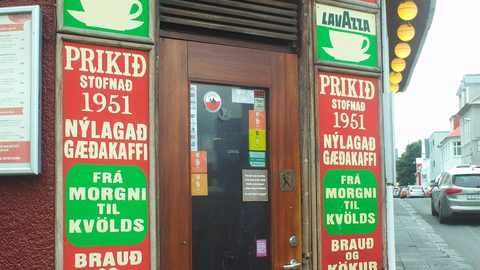 Reykjavík Food and Coffee Where to Eat From Food Halls to the Harbour
Reykjavík's food scene runs from harbour food halls to serious coffee roasters. Here is where locals eat, where to find the best pastries, and how the state liquor stores work.
Reykjavík Food and Coffee Where to Eat From Food Halls to the Harbour
Reykjavík's food scene runs from harbour food halls to serious coffee roasters. Here is where locals eat, where to find the best pastries, and how the state liquor stores work.
-
 What Reykjavík Nightlife Actually Costs and When the Runtúr Starts
Reykjavík nightlife runs on a late-start, high-cost rhythm. Here is when the runtur actually begins, what a round costs on Laugavegur, and why locals pre-drink at home first.
What Reykjavík Nightlife Actually Costs and When the Runtúr Starts
Reykjavík nightlife runs on a late-start, high-cost rhythm. Here is when the runtur actually begins, what a round costs on Laugavegur, and why locals pre-drink at home first.