What Iceland Actually Costs: Three Daily Budget Tiers With Real Numbers
Iceland is expensive but predictable. This budget guide shows real daily costs in ISK and euros at three tiers, from campervan cooking to boutique hotels and langoustine dinners.
What Iceland Actually Costs: Three Daily Budget Tiers with Real Numbers
Most travellers arrive thinking Iceland is one fixed price. It is not. The difference between a day spent in a campervan cooking pasta and a day spent in a boutique hotel ordering langoustine is roughly 45,000 ISK, about 300 euros. The levers are simple: where you sleep and whether you cook. Concrete daily budgets in Icelandic króna with euro equivalents let you pick your tier, do the math, and plan your ring road without the sticker shock.
Tier One: the Campervan and Bonus Supermarket Tier
What You Spend
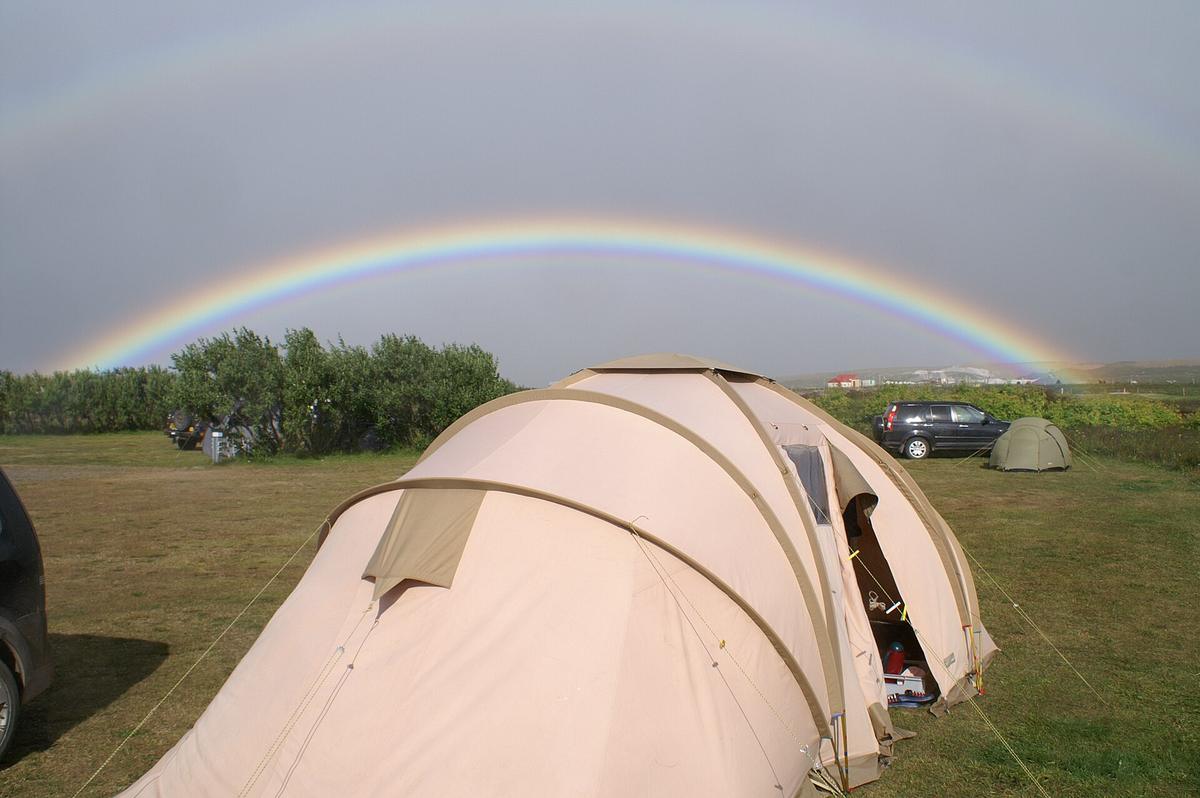
Daily spend: 8,000 ISK (€55) per person. This is the budget traveller's Iceland and it works if you accept a few constraints. You sleep in a tent or a campervan at organised campsites. Campsites cost 1,500 ISK per person per night. You buy all your food at Bónus, the yellow-and-pig-mascot supermarket, with Krónan as a backup. A self-catering shop runs 2,000 ISK per person per day. Carry a camping stove. Eat breakfast and dinner at your site, plus a packed lunch on the road.
Where the Money Goes
On a 10,000 ISK day, accommodation takes 2,000 ISK, food takes 3,000 ISK, and fuel takes 4,000 ISK if you drive 200 km. That leaves 500 ISK for a coffee or a municipal swimming pool. Pools cost 1,200 ISK per visit, compared to 6,000 ISK for a commercial spa like Blue Lagoon, and they are the single best value experience in the country. Tap water is free and potable everywhere. Never buy bottled water.
The Failure Case
Campervan rentals in June through August run 18,000 ISK per day, which can exceed the cost of a guesthouse plus a small car. If you book a campervan in peak season, compare the all-in rate against a two-person guesthouse and a compact car before committing. If the van costs more than 25,000 ISK per day, the math flips against you.

Tier Two: the Guesthouse and Langoustine Dinner Tier
What You Spend
Daily spend: 18,000 ISK (€120) per person. You sleep in guesthouses, two to a room, and cook some meals while eating out for others. A guesthouse double room costs 15,000 ISK per night, which splits to 7,500 ISK per person. You still self-cater for breakfast and lunch, spending 2,000 ISK from Bónus or Nettó, the mid-range supermarket. Dinner is where you spend. A casual main course runs 2,500 ISK, and a mid-range restaurant main is 4,500 ISK. One dinner out per day adds 5,000 ISK.
Where the Money Goes
On a 22,000 ISK day, accommodation takes 10,000 ISK, food takes 6,500 ISK (cooking two meals, eating one dinner), and fuel takes 4,000 ISK. That leaves 1,500 ISK for a beer at happy hour, 700 ISK, or a coffee. The biggest cost control in this tier is which meals you cook. A Bónus grocery shop per person per day is 2,000 ISK. Eating the same day's meals in restaurants costs 8,000 ISK. Cooking saves you 60% on food cost.
Where to Eat Well for Less
Petrol stations across Iceland sell lamb soup, kjötsupa, for 1,500 ISK per bowl. It is the real test of a good stop: the soup is homemade, filling, and cheaper than any sit-down restaurant. In Höfn, the langoustine dinners cost 5,500 ISK for a main, and they are worth it once. Skip the tourist restaurants on the main road in Vík. Walk two blocks inland for better prices.
Tier Three: the Boutique Hotel and Guided Tour Tier
What You Spend
Daily spend: 35,000 ISK (€235) per person. You stay in three-star hotels, eat every meal in restaurants, and pay for guided tours. A hotel double room in Reykjavík costs 25,000 ISK per night; outside the capital, 20,000 ISK. Per person, that is 10,000 ISK. You buy no groceries. Breakfast is often included in the hotel rate, costing 2,000 ISK otherwise. Lunch at a café runs 3,000 ISK. Dinner at a mid-range restaurant is 5,000 ISK for a main, plus a beer at 1,200 ISK and possibly wine. Add a guided tour: a zodiac boat tour at Jökulsárlón or a snorkelling trip at Silfra runs 12,000 ISK per person. Book these days ahead in summer.
Where the Money Goes
On a 50,000 ISK day, accommodation takes 18,000 ISK, meals take 14,000 ISK, fuel takes 4,000 ISK, and a tour takes 14,000 ISK. That leaves nothing for extras, because you bought nothing extra. The two biggest levers in this tier are lodging star level and the number of guided excursions. A 3-star hotel is 25,000 ISK; a 4-star runs 60,000 ISK. Each guided tour adds 10,000 ISK to the day. Do one tour every other day instead of daily and you save 5,000 ISK per day averaged out.
The Failure Case
Booking a 4-star hotel on the south coast in August without reserving dinner in advance. Many countryside hotels have one restaurant. If it is full, your only option is the petrol station at 10-11 or Krambúðin, which charges convenience store prices. You will pay 2,000 ISK for a sandwich that costs 700 ISK at Bónus. Call the hotel restaurant three days ahead.

The Two Biggest Levers That Control Your Total Trip Cost
Two decisions determine 80% of your total spend: where you sleep and whether you cook. Everything else is marginal.
Accommodation Type
This swings the daily cost by 10,000 ISK per person. A campsite at 2,000 ISK per night versus a countryside hotel at 25,000 ISK per night is the difference between a 250,000 ISK two-week trip and a 900,000 ISK trip. Guesthouses sit in the middle at 15,000 ISK for a double. The cheaper the accommodation, the more freedom you have elsewhere.
Cooking Versus Eating Out
Cooking saves 60% on food. A self-catering day costs 2,000 ISK. A restaurant day costs 8,000 ISK. That difference over 14 days is 84,000 ISK, enough to cover a week of guesthouse stays. Shop at Bónus in larger towns before you head into rural stretches. Its hours are longer than Krónan and its prices are lower than Nettó. The 10-11 and Orkan shops are for emergencies only.
Fuel Is a Fixed Cost
A full ring road lap in a compact car requires roughly 35,000 ISK in petrol at 310 ISK per litre, 2025 pricing. That number is the same whether you sleep in a tent or a suite. Do not let your tank drop below half. Outside towns, petrol stations close early or are unmanned. You need a chip-and-PIN credit card for the pumps.
Common Questions
Can I do Iceland on 5,000 ISK per day?
No. Even camping and cooking requires 8,000 ISK per day. At 5,000 ISK you cannot cover a campsite, food, and fuel. You would burn your budget on petrol alone within three days.
Is a campervan cheaper than a car plus guesthouse?
Only in shoulder seasons. In June through August, campervan rentals run 18,000 ISK per day. A compact car costs 6,000 ISK per day, and a two-person guesthouse costs 15,000 ISK per night. The van is often more expensive. Compare the full daily rate before booking.
Where should I buy groceries for the cheapest ring road trip?
Bónus is the primary budget supermarket. Krónan is a secondary option. Nettó is mid-range. Avoid 10-11, Krambúðin, and Orkan shops, which charge convenience store prices for the same items. Stock up in Reykjavík or Selfoss before driving the south coast.
What is the best cheap meal on the road?
Petrol station lamb soup, kjötsupa, costs 1,500 ISK per bowl. It is filling, hot, and available at most N1, Ólis, or Atlantsolía stations. The quality varies; a good station's soup is as good as a restaurant's.
How much cash should I carry?
Zero. Card acceptance is near universal, even for a 300 ISK cup of coffee at a petrol station. Cash is pointless. Carry a spare chip-and-PIN card in case your primary one fails at an unmanned fuel pump.
Read next
-
 Iceland Accommodation Types from Farm Stays to Hostels
A hotel in rural Iceland rarely means what it means elsewhere. The real differences between guesthouses, farm stays, hostels and campsites before you book.
Iceland Accommodation Types from Farm Stays to Hostels
A hotel in rural Iceland rarely means what it means elsewhere. The real differences between guesthouses, farm stays, hostels and campsites before you book.
-
 Where to Stay in Iceland for a Ring Road Road Trip
On an Iceland lap, the road decides where you sleep. Which bases break the Ring Road into sensible chunks, and where inventory runs dangerously low in July.
Where to Stay in Iceland for a Ring Road Road Trip
On an Iceland lap, the road decides where you sleep. Which bases break the Ring Road into sensible chunks, and where inventory runs dangerously low in July.
-
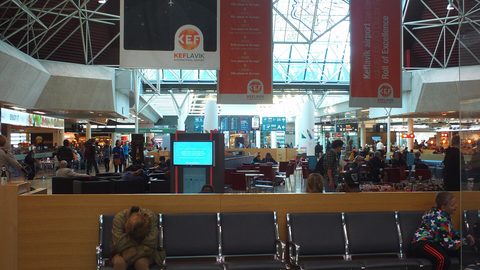 Keflavik Airport Flights Transfers and Iceland Domestic Routes
Keflavík to Reykjavík has no train. Flybus, taxi costs, rental car pickup, and when a domestic flight from Reykjavík City Airport saves a day of driving.
Keflavik Airport Flights Transfers and Iceland Domestic Routes
Keflavík to Reykjavík has no train. Flybus, taxi costs, rental car pickup, and when a domestic flight from Reykjavík City Airport saves a day of driving.
-
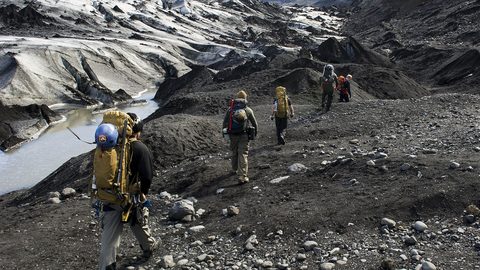 Iceland Experiences Worth Booking and Those That Depend on Weather
Some Iceland experiences vanish if you don't book weeks ahead. Silfra, ice caves, and Landmannalaugar huts sell out. Waterfalls and beaches just need you to show up.
Iceland Experiences Worth Booking and Those That Depend on Weather
Some Iceland experiences vanish if you don't book weeks ahead. Silfra, ice caves, and Landmannalaugar huts sell out. Waterfalls and beaches just need you to show up.
-
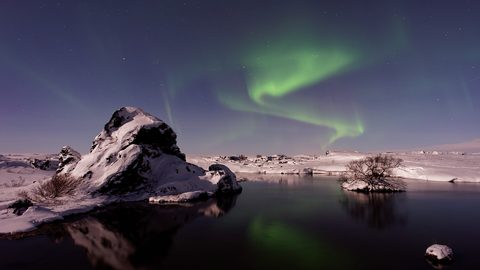 Best Time to Visit Iceland Month by Month With Daylight Hours
Iceland changes radically by month. This calendar covers daylight hours, road openings, puffin season, northern lights windows, and the two summer weekends that book out nationwide.
Best Time to Visit Iceland Month by Month With Daylight Hours
Iceland changes radically by month. This calendar covers daylight hours, road openings, puffin season, northern lights windows, and the two summer weekends that book out nationwide.
-
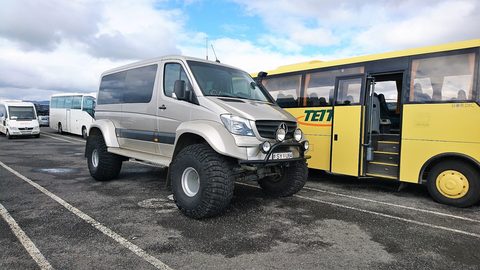 Getting Around Iceland by Car F-Roads Wind and Road.is
Driving Iceland means understanding F-road legality, reading road.is, and respecting wind that can rip a door off its hinges. This guide covers what rental agencies won't tell you.
Getting Around Iceland by Car F-Roads Wind and Road.is
Driving Iceland means understanding F-road legality, reading road.is, and respecting wind that can rip a door off its hinges. This guide covers what rental agencies won't tell you.
-
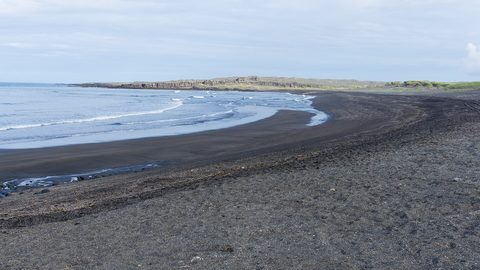 South Iceland
How to drive Iceland's South Coast from Seljalandsfoss to Skaftafell, with honest timings, parking logistics, and the stops worth pulling over for.
South Iceland
How to drive Iceland's South Coast from Seljalandsfoss to Skaftafell, with honest timings, parking logistics, and the stops worth pulling over for.
-
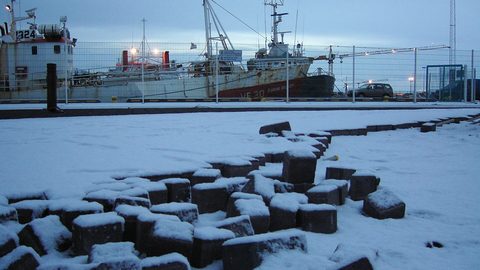 Capital Region
How to spend your arrival and departure days in Reykjavík, from the Miðborg walking loop to Vesturbær's local pools and the domestic airport at RKV.
Capital Region
How to spend your arrival and departure days in Reykjavík, from the Miðborg walking loop to Vesturbær's local pools and the domestic airport at RKV.
-
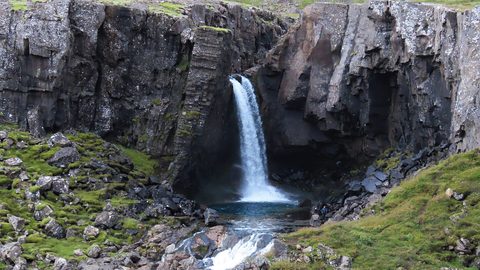 East Iceland
How to drive Iceland's Eastfjords from Höfn to Egilsstaðir, with stops at Vestrahorn, Stuðlagil Canyon, and the puffin colony at Borgarfjörður Eystri.
East Iceland
How to drive Iceland's Eastfjords from Höfn to Egilsstaðir, with stops at Vestrahorn, Stuðlagil Canyon, and the puffin colony at Borgarfjörður Eystri.