South Coast

South Coast: 4 guides on IsNet.

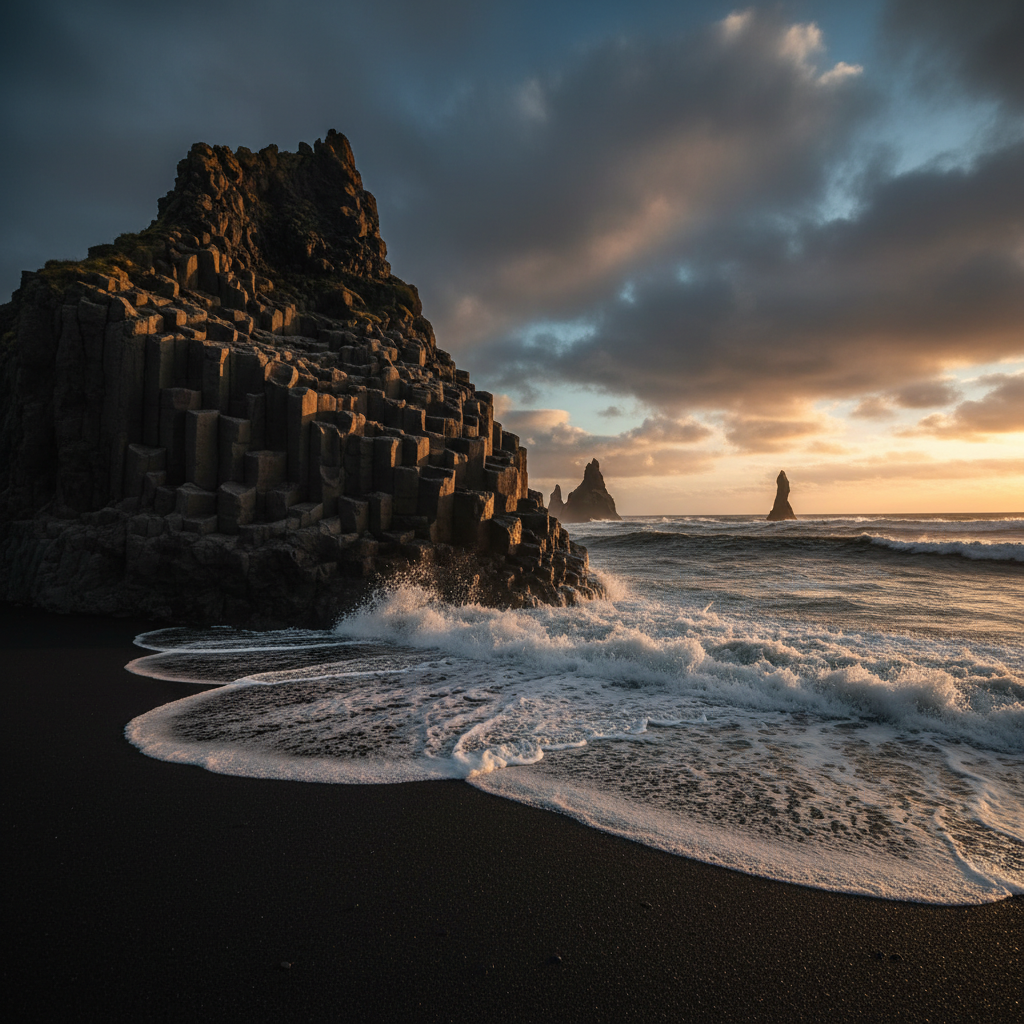
Reynisfjara, located on Iceland's south coast near the village of Vík í Mýrdal, is one of the most photographed beaches in the world. Its striking black sand, towering basalt columns, and the dramatic Reynisdrangar sea stacks draw hundreds of thousands of visitors each year. However, Reynisfjara is also known as one of Iceland's most dangerous beaches due to its powerful and unpredictable waves, often called "sneaker waves." Every year, tourists are swept into the freezing North Atlantic, sometimes with fatal consequences. This article provides a comprehensive guide to visiting Reynisfjara safely, covering wave behavior, weather conditions, recommended gear, and essential rules. For a broader overview of Iceland's south coast highlights, see our 3-day south coast itinerary.

Understanding the Danger: Sneaker Waves

The primary hazard at Reynisfjara is not the black sand or the wind, but the ocean. The beach faces the open North Atlantic, and the seabed slopes steeply near the shore. This creates a phenomenon known as "sneaker waves" – waves that appear suddenly, much larger than the preceding ones, and can surge far up the beach. Unlike regular waves, which follow a predictable pattern, sneaker waves can catch visitors off guard, even when they think they are standing at a safe distance.

Key facts about sneaker waves at Reynisfjara:

  • Height: Sneaker waves can reach heights of 5–10 meters (16–33 feet) and surge up the beach with incredible speed.
  • Frequency: They are unpredictable; a period of calm can be followed by a series of large waves. The interval between waves can be minutes or hours.
  • Undertow: The backwash from these waves is extremely strong. Once caught in the water, the current can pull a person out to sea within seconds. The water temperature rarely exceeds 6°C (43°F) in summer, and hypothermia sets in rapidly.
  • Fatalities: Since 2010, at least three tourists have drowned at Reynisfjara, and many more have been rescued. In January 2023, a Chinese tourist died after being swept away.

Therefore, the number one rule at Reynisfjara is: Never turn your back on the ocean. Always face the sea and maintain a safe distance from the water's edge. The recommended distance is at least 20–30 meters (65–100 feet) from the waterline, but this can vary depending on the tide and wave conditions. Observe the waves for several minutes before taking photos.

All articles in this category

Best Time to Visit Reynisfjara

Reynisfjara is accessible year-round, but safety and experience vary greatly by season. The beach has no entrance fee and is open 24 hours, but visiting in daylight is strongly advised.

Summer (June–August)

Summer offers the best conditions for a safe visit. Daylight lasts nearly 24 hours, with the midnight sun providing ample light. The weather is milder, with average temperatures around 10–15°C (50–59°F). However, the beach can be crowded, especially between 10:00 and 16:00. The risk of sneaker waves remains, but calmer seas are more common. For a full summer itinerary, see our Ring Road itinerary guide.

Winter (November–March)

Winter brings shorter daylight hours (as little as 4–5 hours in December), stormy weather, and higher waves. The beach may be covered in snow and ice, making the sand slippery. Sneaker waves are more frequent and powerful. Only experienced photographers and very cautious visitors should consider winter visits. Check the weather forecast and road conditions at road.is before heading out. For winter driving tips, read our Ring Road in winter guide.

Shoulder Seasons (April–May, September–October)

These months offer a balance: fewer tourists than summer, but longer daylight than winter. Weather is unpredictable; pack layers and waterproof clothing. Waves can still be dangerous.

Essential Safety Rules

Follow these rules to minimize risk at Reynisfjara:

  1. Never turn your back on the ocean. Always keep your eyes on the waves. If you are taking a photo, have someone watch the sea.
  2. Stay away from the water's edge. Keep at least 20 meters (65 feet) from the waterline. If the tide is high or waves are large, increase the distance.
  3. Do not climb on the basalt columns near the water. The columns can be slippery and unstable, and a sneaker wave can knock you off.
  4. Do not climb on the Reynisdrangar sea stacks. They are not accessible from the beach; the water is deep and currents are strong.
  5. Heed warning signs and lifeguard instructions. There are signs in multiple languages at the beach entrance. In summer, lifeguards are sometimes present; follow their directions.
  6. Keep children close and within arm's reach. Do not let them run near the water.
  7. Wear appropriate footwear. The sand can be hot in summer, but more importantly, wet sand is cold and can cause numbness. Waterproof boots with good grip are recommended.
  8. Check weather and tide forecasts. High tide and storms increase the risk. Use the Icelandic Met Office website (vedur.is) for wave height predictions.

What to See and Do at Reynisfjara

Despite the dangers, Reynisfjara is a must-see destination. Here are the main attractions and how to experience them safely:

The Black Sand

The sand is black due to volcanic basalt from ancient eruptions. It's safe to touch and walk on, but avoid getting it in your eyes or electronics. The beach is not suitable for swimming or sunbathing.

Basalt Columns

At the eastern end of the beach, you'll find impressive hexagonal basalt columns formed by cooling lava. These columns are similar to those at Giant's Causeway in Northern Ireland. You can walk among them, but stay on the designated path and do not climb on the wet columns near the sea.

Reynisdrangar Sea Stacks

These three dramatic rock formations rise from the ocean. According to folklore, they are trolls who tried to drag a ship to shore but were turned to stone by the sunrise. The best view is from the beach, but keep a safe distance from the water. Do not attempt to wade out to them.

Hálsanefshellir Cave

At the far eastern end of the beach is a large sea cave with a distinctive arch. The cave is accessible at low tide, but entering is dangerous due to falling rocks and sudden waves. Most visitors take photos from the outside. If you enter, do so with extreme caution and only when the tide is out.

Facilities and Parking

Reynisfjara has a large parking lot with a capacity of about 150 cars. Parking is free. The lot is located about 1 km east of the beach entrance; a short path leads to the sand. There are no toilets or food services at the beach itself. The nearest facilities are at the Reynisfjara Cafe (open seasonally) and in Vík, 10 minutes away. In Vík, you can find gas stations, restaurants, and hotels. For dining recommendations, see our Reykjavik food guide (note: Vík is not Reykjavik, but the guide offers general tips).

What to Pack for a Safe Visit

Icelandic weather is notoriously changeable. Pack the following items for a comfortable and safe trip to Reynisfjara:

  • Waterproof and windproof jacket and pants. The beach is often windy and can be wet.
  • Insulated layers. A fleece or wool sweater under your jacket.
  • Sturdy, waterproof boots with good traction. The sand can be slippery when wet.
  • Warm hat, gloves, and scarf. Even in summer, wind can make it feel cold.
  • Sunglasses and sunscreen. The black sand reflects sunlight, and UV can be strong.
  • Camera with a strap. Keep it around your neck or shoulder to avoid dropping it.
  • Fully charged phone. Cell reception is generally good, but have emergency numbers saved.
  • Snacks and water. No food is available on site.

Nearby Attractions and Accommodation

Reynisfjara is part of Iceland's south coast, a region rich with natural wonders. Consider combining your visit with these nearby spots:

  • Vík í Mýrdal (10 minutes east): The southernmost village in Iceland, with a population of about 750. It has a famous red-roofed church, Reyniskirkja, perched on a hill. For budget tips, see our Reykjavik on a budget guide (applicable to Vík as well).
  • Dyrhólaey (15 minutes west): A rocky promontory with a natural arch. In summer, it's a nesting site for puffins. The viewpoint offers a panoramic view of Reynisfjara from above.
  • Skógafoss waterfall (30 minutes west): One of Iceland's largest waterfalls, with a drop of 60 meters. You can climb the stairs to the top for a view.
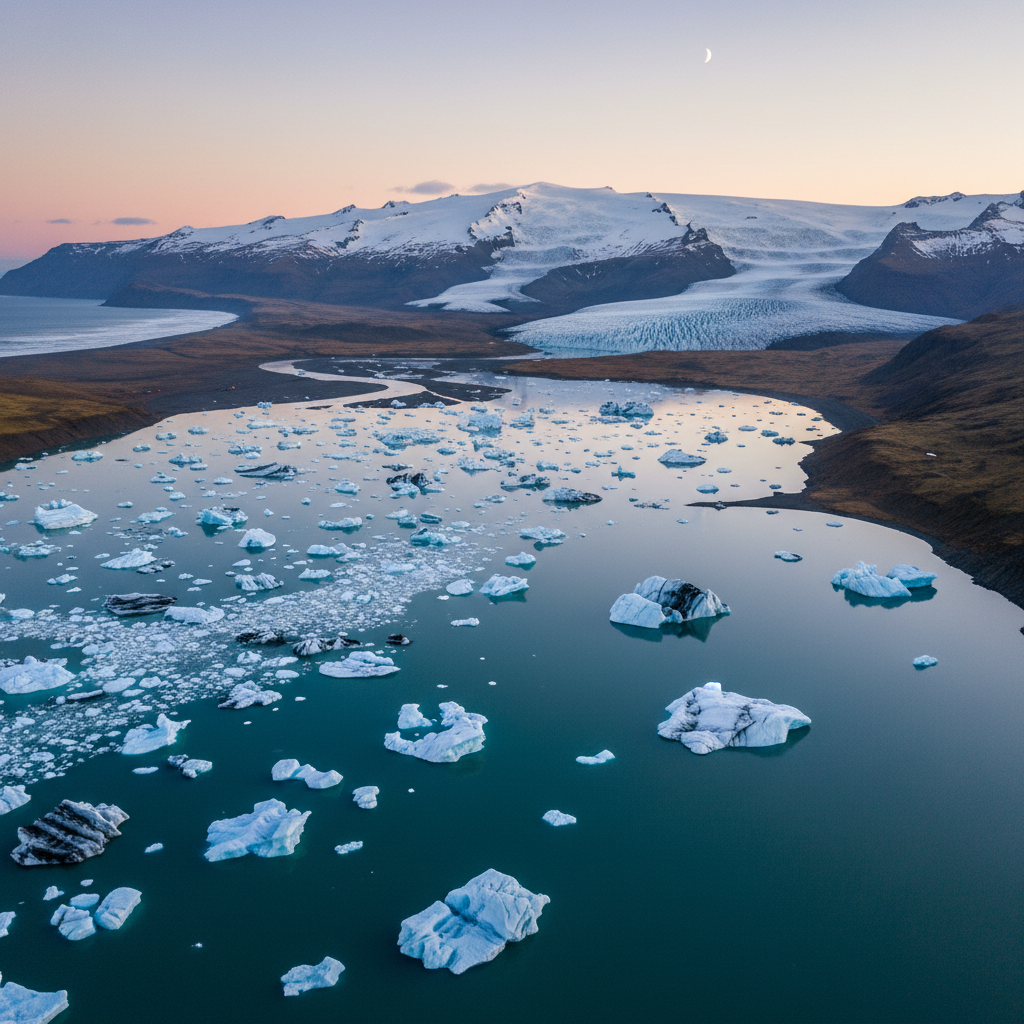
  • Jökulsárlón glacier lagoon (2.5 hours east): A stunning lagoon filled with icebergs. For a multi-day trip, check our Ring Road itinerary guide.

Accommodation options near Reynisfjara include the Hotel Vík í Mýrdal, Guesthouse Carina, and the Reynisfjara Guesthouse. Prices range from 15,000 ISK to 40,000 ISK per night in summer. Camping is available at Vík Campground (about 2,500 ISK per person). For a cost comparison, see our camping vs. hotels guide.

Respecting the Environment

Reynisfjara is a protected natural site. Follow Leave No Trace principles:

  • Stay on marked paths to avoid damaging fragile vegetation.
  • Do not take black sand or rocks as souvenirs; it's illegal.
  • Pack out all trash.
  • Do not disturb wildlife. Birds such as Arctic terns nest in the area during summer; keep your distance.

Final Thoughts

Reynisfjara is a place of extraordinary beauty and power. By respecting the ocean and following safety guidelines, you can enjoy this unique landscape without incident. Always prioritize safety over a perfect photo. For more on planning your Iceland trip, start with our complete guide to Iceland 2026.

Related Articles

  • Iceland South Coast: Vík, Jökulsárlón, Skaftafell – 3 Days
  • Iceland Ring Road: 7, 10, 14-Day Itineraries for 2026
  • Ring Road in Winter: What's Open and What to Skip
  • Camping vs Hotels on the Ring Road: Cost Comparison
  • The Complete Guide to Iceland 2026

Read the full guide →

Reykjavík --:--:--