A Guide to Reykjavík and the Greater Capital Region
How to spend your arrival and departure days in Reykjavík, from the Miðborg walking loop to Vesturbær's local pools and the domestic airport at RKV.
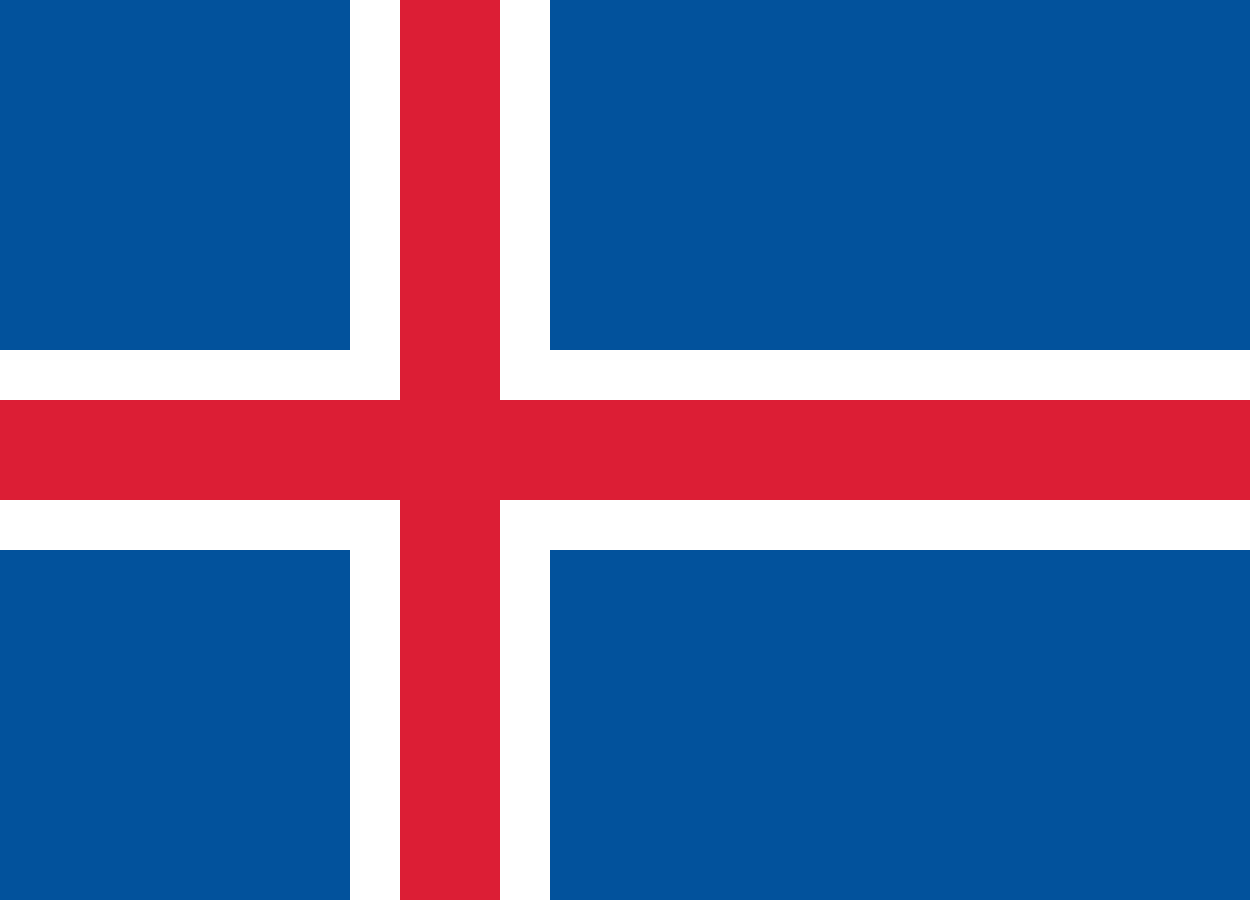
- Flag
-
- ISO code
- IS
- Currency
- ISK
- Timezone
- Atlantic/Reykjavik
Reykjavik is Not the Point of Iceland, but it is Where You Start and End
The wrong way to plan an Iceland trip is to treat Reykjavik as the destination. The city holds roughly 140,000 people, and you can walk across its core district, 101, in 25 to 30 minutes east to west. The raw, lunar, wind-scoured landscapes that brought you here lie beyond the city limits. But the capital region is where every itinerary touches down. Manage those bookend days correctly and you will not resent the time spent indoors.
Treat the first day and the last day as logistical frames. On arrival, you fight jet lag and learn how the country works. On departure, you regroup before a flight. Everything in between should be the Ring Road, the highlands, or the Westfjords. This guide maps exactly what to do with those two days so you use them as a launch point, not a distraction.
A Four Hour Loop Through Miðborg 101 That Covers Everything You Actually Need to See
Start at the Top
Start at Hallgrímskirkja. The tower rises 74.5 metres and costs 1,400 ISK to ascend. Go first thing, before 09:00, because the light is clear and the tour buses have not arrived. From the top you see the whole layout: the harbour, the mountains across the bay, and why nobody built tall. That is your orientation.
Walk down Skólavörðustígur. This is the main shopping street, but you are not shopping. You are stopping at a bakery for something warm. Skip the tourist cafes. Look for the ones where locals queue before 08:00. The street deposits you at the waterfront, where the Sun Voyager sculpture sits. Spend three minutes with it, then move on.
The Harbour and Grandi
Harpa concert hall opened in 2011, designed by Henning Larsen Architects with Ólafur Elíasson for the glass facade. Walk inside. The foyer is public and free. You do not need a ticket to see the architecture. From Harpa, the Old Harbour is a five minute walk. This is where whale watching and puffin tours depart between mid-May and mid-August. If you have a full day and the season is right, book a morning tour. If you have only a few hours, skip the boat and walk into Grandi instead.
Grandi, the old harbour district, holds the food halls and FlyOver Iceland. FlyOver Iceland is a motion ride that simulates flying over the country. It takes 25 minutes and works well for a first day because it shows you the terrain you are about to drive through. Book tickets ahead in summer. The food halls in Grandi serve good langoustine soup, fish and chips, and skyr-based desserts. Eat lunch here, not on Laugavegur.
That loop takes about four hours at a relaxed pace, including the tower and lunch. You have seen the functional heart of Reykjavik. You have not wasted time on filler attractions.
Why Vesturbær Beats Downtown for a Quiet Evening or a Rainy Morning
The Pools Locals Actually Use
District 107, Vesturbær, is the old west end. It has no souvenir shops, no bar crawls, and no street art murals designed for Instagram. It has residential streets, sourdough bakeries, and the oldest operating geothermal pool in Reykjavik, Sundhöllin, opened in 1937 and renovated in 2017. Entry costs roughly 1,300 to 1,500 ISK for a single visit. Sundhöllin sits in 101, not 107, but it is the same quiet ethos: swimmers doing laps, locals soaking in hot pots, no towel-waving tourists.
If you want a proper soak without the crowds, go to Laugardalslaug in district 105. It is the largest geothermal pool complex in the Capital Region, with a 50 metre outdoor pool, two children's pools, six hot pots ranging from 38 to 44 °C, a steam bath, and a seawater spa section. Weekday mornings before 09:00 are nearly empty. The Capital Region has 18 public geothermal pools total. Skip the Sky Lagoon and Blue Lagoon unless you want a spa price tag for something a local pool gives you for a fraction of the cost.
Where to Find Breakfast
Vesturbær is also where you find the bakeries that matter. Do not name them here; you will spot them by the line of regulars buying rúgbrauð and sourdough before 07:30. That is your breakfast on a departure day.
The Airport Trap That Reshapes Your Itinerary
Keflavik Versus Reykjavik City Airport: They Are Not The Same
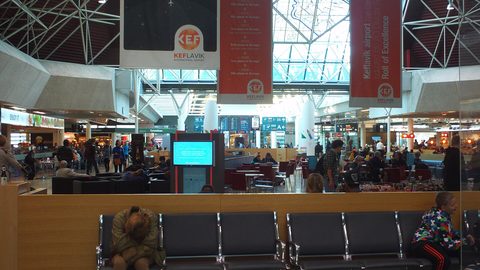
Keflavík International Airport, KEF, is 50 kilometres from Reykjavik. That is where your international flight lands. The Flybus takes 45 to 50 minutes and costs roughly 3,900 ISK one way to the BSÍ terminal. A taxi runs 16,000 to 20,000 ISK. There is no train. Plan for the transfer time. If your flight lands at 16:00, you will not be in a hire car before 18:00.
Reykjavik City Airport, RKV, sits three kilometres from the centre. It handles domestic flights only. A flight from RKV to Akureyri takes about 45 minutes and costs roughly the same as a day's car rental. That flight can reshape your itinerary completely. Instead of spending two days driving the Ring Road north, you fly one way, pick up a car in Akureyri, explore the north and the Westfjords, and fly back from Ísafjörður or drive south. You skip the long straight roads of the south coast and gain two full days in terrain that demands your attention.
How Many Nights to Book
Most visitors allocate 2 to 3 nights in Reykjavik at the start of a trip and 1 night or zero at the end, because they arrive late from the South Coast or Snæfellsnes and fly out early from KEF. That is a good allocation. Do not add more city nights unless you are using RKV as a hub.
Day Trips from the Capital Region: Which Ones Justify the Drive and Which Ones Waste a Day
The Golden Circle: Worth It For A Jet Lag Day
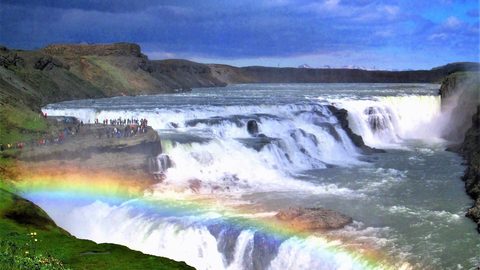
The Golden Circle loop runs roughly 230 kilometres round trip and takes 6 to 8 hours. Þingvellir National Park is 45 kilometres from Reykjavik. Geysir is about 100 kilometres from Reykjavik. Gullfoss is about 115 kilometres from Reykjavik. That is a short day by Icelandic standards. Do it on your arrival day or your departure day, not on a day when you could be in the Highlands or the Eastfjords. The Golden Circle is efficient but crowded. Arrive at Þingvellir by 08:30 and park at P1 or P5. The entrance fee is free but you pay for parking. Strokkur at Geysir erupts every 5 to 8 minutes. You do not need a booking. Gullfoss is a tiered brute-force waterfall with free access.
Skip the Longer Drives
Do not add more day trips. The South Coast to Vík runs 185 kilometres each way and takes 10 to 12 hours round trip. Snæfellsnes takes 10 to 12 hours round trip. Landmannalaugar requires a 4x4 or a bus and runs 3.5 to 4 hours each way; it is open only mid-June to mid-September. If you have only one full day in the capital region, do the Golden Circle. If you have two, do the Golden Circle on day one and the Reykjanes Peninsula on day two, which loops roughly 150 kilometres and takes 4 to 5 hours. Everything else belongs on your Ring Road itinerary.


| Pool | Postcode | Key Feature | Entry Fee (ISK) |
|---|---|---|---|
| Sundhöllin | 101 | Oldest pool, good for a quick soak | 1,300–1,500 |
| Laugardalslaug | 105 | Largest complex, 6 hot pots, steam bath | 1,300–1,500 |
| Vesturbæjarlaug | 107 | Quiet local pool in Vesturbær | 1,300–1,500 |
Who This Page is for and Who Should Skip it
This guide suits the solo road tripper, the landscape photographer, the geology nerd, the adventure motorcyclist, and anyone who sees Reykjavik as a transit hub rather than a destination. You arrive, orient yourself, pick up your 4x4, and leave. You return only to shower and sleep before the early flight.
It does not suit budget backpackers who need cheap dorms and free attractions, nightlife seekers who want bar crawls, or people who need structured indoor itineraries. It also does not suit anyone who finds driving in whiteout conditions stressful. If that describes you, spend more days in Reykjavik and book a guided tour for the rest.
Frequently Asked Questions
Can I see the main sights of Reykjavik in one full day?
Yes. Hallgrímskirkja, Harpa, the Old Harbour, Sun Voyager, one geothermal pool, and Laugavegur fit in a day. That is enough. Do not add museums unless you have a second day.
Which pool should I use on a short stay?
Sundhöllin in 101 if you want a quick soak. Laugardalslaug in 105 if you want the full range of hot pots, a steam bath, and a 50 metre lap pool. Both cost about 1,300 to 1,500 ISK.
Should I book a whale watching tour from the Old Harbour?
Only if you have a full morning in season (mid-May to mid-August) and the sea forecast is calm. Otherwise skip it and walk Grandi instead. You will see whales later on the South Coast or in Húsavík.
Is the Blue Lagoon worth the trip from Reykjavik?
Not on a short trip. It is 50 kilometres from Reykjavik, expensive, and crowded. Use a public pool in the Capital Region. Save the Blue Lagoon for a stop between KEF and the city if you have time.
Read next
-
 Day Trips from Reykjavik That Actually Work as a Day
The Golden Circle works as a day from Reykjavík. Jökulsárlón absolutely does not. Where the realistic day-trip radius ends and the overnight zone begins.
Day Trips from Reykjavik That Actually Work as a Day
The Golden Circle works as a day from Reykjavík. Jökulsárlón absolutely does not. Where the realistic day-trip radius ends and the overnight zone begins.
-
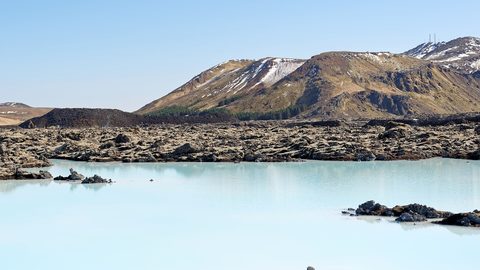 The Blue Lagoon
Is the Blue Lagoon worth ISK 10,000+ when Sky Lagoon, Secret Lagoon, and Mývatn Nature Baths cost far less? Compare the real trade-offs before booking.
The Blue Lagoon
Is the Blue Lagoon worth ISK 10,000+ when Sky Lagoon, Secret Lagoon, and Mývatn Nature Baths cost far less? Compare the real trade-offs before booking.
-
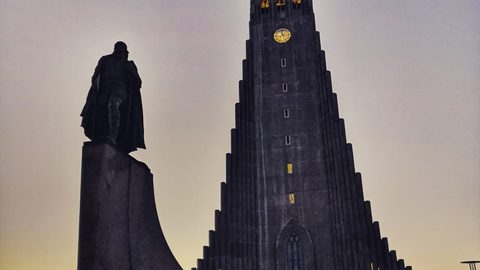 Hallgrimskirkja
Hallgrímskirkja tower delivers Reykjavík's best aerial view of the coloured rooftops and distant mountains, but the lift queue and ticket price need planning.
Hallgrimskirkja
Hallgrímskirkja tower delivers Reykjavík's best aerial view of the coloured rooftops and distant mountains, but the lift queue and ticket price need planning.
-
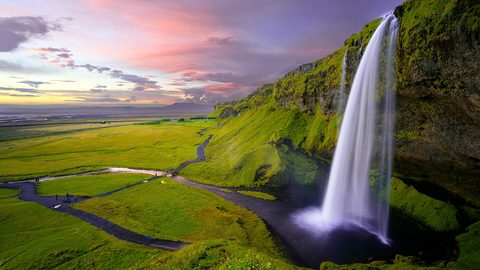 Iceland Travel Guide From One Ring Road to Six Regions
Iceland breaks into six regions and one ring. This guide lays out the geography, the tradeoffs, and how to choose where to spend your limited days.
Iceland Travel Guide From One Ring Road to Six Regions
Iceland breaks into six regions and one ring. This guide lays out the geography, the tradeoffs, and how to choose where to spend your limited days.
-
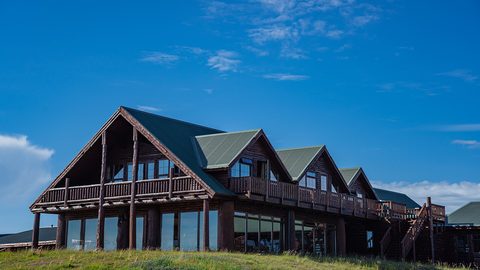 Iceland Accommodation Types from Farm Stays to Hostels
A hotel in rural Iceland rarely means what it means elsewhere. The real differences between guesthouses, farm stays, hostels and campsites before you book.
Iceland Accommodation Types from Farm Stays to Hostels
A hotel in rural Iceland rarely means what it means elsewhere. The real differences between guesthouses, farm stays, hostels and campsites before you book.
-
 Where to Stay in Iceland for a Ring Road Road Trip
On an Iceland lap, the road decides where you sleep. Which bases break the Ring Road into sensible chunks, and where inventory runs dangerously low in July.
Where to Stay in Iceland for a Ring Road Road Trip
On an Iceland lap, the road decides where you sleep. Which bases break the Ring Road into sensible chunks, and where inventory runs dangerously low in July.
-
 Keflavik Airport Flights Transfers and Iceland Domestic Routes
Keflavík to Reykjavík has no train. Flybus, taxi costs, rental car pickup, and when a domestic flight from Reykjavík City Airport saves a day of driving.
Keflavik Airport Flights Transfers and Iceland Domestic Routes
Keflavík to Reykjavík has no train. Flybus, taxi costs, rental car pickup, and when a domestic flight from Reykjavík City Airport saves a day of driving.
-
 Camping Versus Hotels in Iceland What Two Weeks Really Costs With Numbers
A line-by-line budget pitting a two-week Iceland campervan trip against a guesthouse-and-rental-car trip, with real nightly rates, fuel costs, and food spend.
Camping Versus Hotels in Iceland What Two Weeks Really Costs With Numbers
A line-by-line budget pitting a two-week Iceland campervan trip against a guesthouse-and-rental-car trip, with real nightly rates, fuel costs, and food spend.
-
 Travelling Iceland With Children What Works and the Stops That Genuinely Do Not
Which Icelandic landmarks are unsafe or dull for children, and what a realistic family itinerary replaces them with, from safe waterfalls to Reykjavík rainy-day backups.
Travelling Iceland With Children What Works and the Stops That Genuinely Do Not
Which Icelandic landmarks are unsafe or dull for children, and what a realistic family itinerary replaces them with, from safe waterfalls to Reykjavík rainy-day backups.
What to See in Capital Region
-
The Blue Lagoon
Is the Blue Lagoon worth ISK 10,000+ when Sky Lagoon, Secret Lagoon, and Mývatn Nature Baths cost far less? Compare the real trade-offs before booking.
-
Hallgrimskirkja
Hallgrímskirkja tower delivers Reykjavík's best aerial view of the coloured rooftops and distant mountains, but the lift queue and ticket price need planning.