A Ground-Level Guide to Reykjavík's Postcodes and Where You Should Stay
Reykjavík's postcodes—101, Vesturbær, Laugardalur, Hafnarfjörður—each deliver a different city experience. Here is what your morning walk feels like in each.
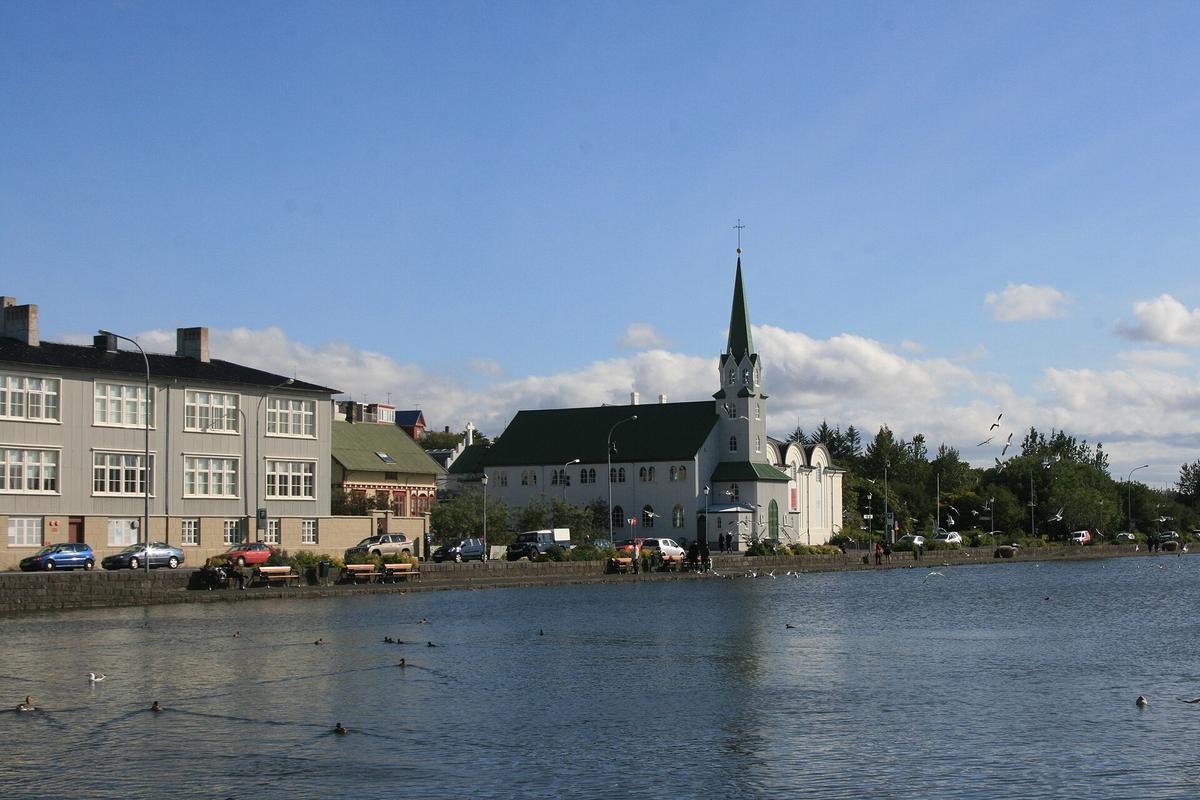
.jpg)
The Neighbourhood Question is Actually a Practical One
You are trying to figure out which postcode to book in Reykjavík, and every guide just lists the numbers. 101, 105, 107. They tell you nothing about whether you will wake up to garbage trucks at 4am or the smell of sourdough. The lived difference between Miðborg, Vesturbær, Laugardalur, and Hafnarfjörður comes down to one thing: what your morning walk sounds like. Here is the actual breakdown, neighbourhood by neighbourhood, so you can pick the one that matches how you travel.
Miðborg (101): the Compact Core That Pays for Its Convenience
Step out of your hotel in 101 and you are on Laugavegur within two minutes. Every coffee shop, gallery, and bar sits inside a 1.5 kilometre radius. You do not need a car. You do not want a car. Resident-only permit zones P1 and P2 dominate the streets, and non-resident parking runs ISK 300 to 600 per hour Monday through Saturday from 09:00 to 21:00. A 24 hour garage slot at Traðarkot, Stjörnuport, or Kolaportið will cost ISK 2,400 to 3,500. If you arrive with a rental, budget for that daily charge or park it outside the zone and walk in.
What The Morning Sounds Like
At 07:00 on a Tuesday, Miðborg is quiet. Delivery vans, the occasional espresso machine hiss, and seagulls. By Thursday night the same streets hit 70 decibels on Laugavegur until 05:00. Friday and Saturday are louder. If you need silence to sleep, you pay for a room with double glazing and an interior courtyard, or you stay somewhere else. Summer hotel rates run ISK 35,000 to 60,000 per night. Winter drops to ISK 20,000 to 35,000. An entire home Airbnb averages ISK 25,000 to 45,000 nightly in summer. Long term rentals for a 60 square metre apartment sit at ISK 250,000 to 350,000 per month, which tells you this is the most expensive postcode in the city.
Best For
Visitors without a car who prioritise nightlife and walkable services. If your trip is three days, you hit bars, you eat out every meal, and you want to stumble home. Miðborg is the right choice.
Vesturbær (107): Sourdough, the University, and a Village Pace
Walk from 107 into the centre and it takes 15 to 25 minutes via Hringbraut or Ægisíða, flat pavement the entire route. The distance is 1.5 to 2.0 kilometres. That short walk is the buffer between you and the 70 decibel nights. Vesturbær feels residential because it is residential. The University of Iceland main campus anchors the neighbourhood, which means weekday foot traffic is students and faculty, not tour groups.
Where You Get Coffee
You walk to a sourdough bakery, not a chain. The neighbourhood swimming pool is Sundhöll Vesturbæjar, a local geothermal pool where the chatter is in Icelandic. Street parking is a mix of free unzoned spaces and P1 resident zones near the centre edge. Summer hotel rates run ISK 28,000 to 45,000 per night. Entire home Airbnbs average ISK 20,000 to 35,000. Long term rentals for 60 square metres sit at ISK 220,000 to 300,000 per month.
Best For
University visitors, pool swimmers, and anyone who wants a village feel near the centre. If you plan to cook some meals, walk to the pool daily, and only go into 101 for specific evenings, Vesturbær gives you more space for less money.
Hlíðar (105) and Laugardalur: Families, the Geothermal Pool, and the Campsite
Postcode 105 covers Hlíðar, including Öskjuhlíð, and extends into Laugardalur. The walk to the 101 centre takes 20 to 30 minutes over 2.0 to 2.5 kilometres of flat paved sidewalk via Hringbraut or Laugavegur. Weekend noise sits under 50 decibels, residential ambient. Street parking is mostly free on unzoned residential streets. This is where you stay if you have a car and you want to sleep.
The Big Attraction
Laugardalur holds the city's main geothermal pool complex, the campsite, and sports venues. Families dominate. You wake up, walk to the pool, spend the morning in warm water, and then drive out of the city for the day. Summer hotel rates run ISK 25,000 to 40,000 per night. Entire home Airbnbs average ISK 18,000 to 30,000. Long term rentals for 60 square metres are ISK 200,000 to 280,000 per month, the cheapest of the three central postcodes.
Best For
Families, long stay visitors, travellers with a car, and anyone who values quiet over proximity. You trade a 25 minute walk for half the accommodation cost and a full night's sleep.
Hafnarfjörður: the Lava Field Suburb with Viking Energy
Hafnarfjörður is not a Reykjavík postcode. It is a separate town 10 kilometres south of the centre, built on a lava field. The drive into 101 takes 15 to 20 minutes without traffic. You need a car. There is no argument for staying here without one. What you get in exchange is a town with its own identity: Viking festivals, hidden elf lore embedded in the lava rock, and a harbour that feels like a working port rather than a tourist set piece.
The Trade Off
You lose spontaneity. A night out in 101 means planning the drive back or paying for a taxi. But you gain a quieter base with lower accommodation costs and a sense of place that the central postcodes cannot replicate. Hafnarfjörður is not a compromise. It is a deliberate choice for travellers who want to live in an Icelandic town, not a tourist corridor.
Best For
Solo road trippers, families who want a house rather than an apartment, and anyone who finds the idea of elf folklore more interesting than the Reykjavík bar scene.
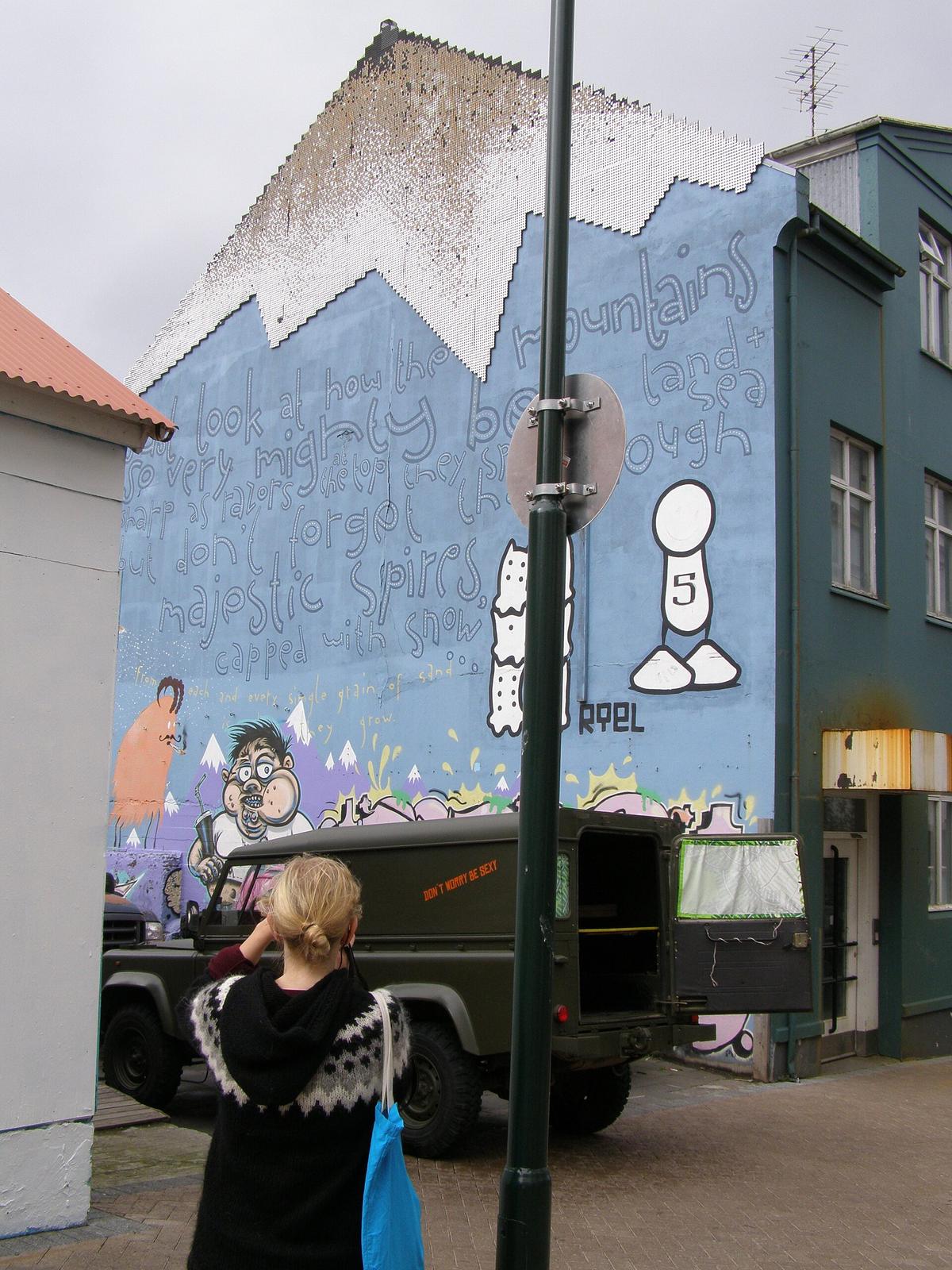

How the Postcodes Compare on the Ground
Here is the shortest version. Miðborg is the party. Vesturbær is the quiet local neighbourhood with a pool and a bakery. Laugardalur is the family base with the campsite and the big geothermal baths. Hafnarfjörður is the lava field suburb that asks you to drive. Pick based on your morning, not your evening. If you wake up and want coffee within 30 seconds, 101. If you wake up and want to swim in a pool where nobody speaks English, 107. If you wake up and need to park a rental car for free, 105. If you wake up and want to see a Viking longhouse before breakfast, Hafnarfjörður.
The honest caveat: no postcode fixes the fact that Iceland is raw, lunar, and expensive. The wind will rip a car door off its hinges if you park facing away from it. Petrol stations outside towns close early. Alcohol above 2.25% only sells at state run Vínbúðin, which close by 18:00 on Saturdays and all day Sunday. You will underestimate the weather. But the neighbourhood you choose determines how much of that friction you deal with before your first coffee, and that makes it the single most important booking decision you will make.
Common Questions
Which Reykjavík neighbourhood is quietest for sleeping?
Hlíðar (105) or Laugardalur. Weekend noise stays under 50 decibels. Street parking is free and unzoned. You walk 20 to 30 minutes to the centre, but you sleep through the night without earplugs.
Can I stay in Vesturbær without a car?
Yes. It is 1.5 to 2.0 kilometres from the 101 centre, a 15 to 25 minute walk on flat pavement. Buses run along Hringbraut. You will not need a car for the neighbourhood itself.
Is Hafnarfjörður too far from Reykjavík for a short trip?
If you have three days, yes. The 15 to 20 minute drive each way adds up. For a week or more, the lower accommodation costs and local character make it worth the commute.
What is the cheapest central postcode for accommodation?
105 (Hlíðar and Laugardalur). Summer hotels run ISK 25,000 to 40,000 per night. Entire home Airbnbs average ISK 18,000 to 30,000. You pay less because you are 2.0 to 2.5 kilometres from the centre.
Read next
-
 Icelandic Place Names: The Word-Parts That Decode the Map
Icelandic place names are compounds that describe the place. Learn twenty word-parts and most of the map explains itself.
Icelandic Place Names: The Word-Parts That Decode the Map
Icelandic place names are compounds that describe the place. Learn twenty word-parts and most of the map explains itself.
-
 Icelandic Road Signs: The Words You Need Before You Drive
Iceland signs its hazards in Icelandic. Six words matter more than the rest, and two of them appear on the Ring Road hourly.
Icelandic Road Signs: The Words You Need Before You Drive
Iceland signs its hazards in Icelandic. Six words matter more than the rest, and two of them appear on the Ring Road hourly.
-
 Icelandic Phrases for Travellers, and When They Actually Help
Everyone in Iceland speaks English, so phrases are courtesy rather than necessity. These are the ones that land well.
Icelandic Phrases for Travellers, and When They Actually Help
Everyone in Iceland speaks English, so phrases are courtesy rather than necessity. These are the ones that land well.
-
 The Icelandic Alphabet: Þ, Ð, Æ, Ö and How to Read Them
Icelandic has four letters English does not, and every road sign uses them. What they sound like, how to type them, and where to go next.
The Icelandic Alphabet: Þ, Ð, Æ, Ö and How to Read Them
Icelandic has four letters English does not, and every road sign uses them. What they sound like, how to type them, and where to go next.