Is Iceland's Westfjords Worth the Detour
A frank assessment of the Westfjords: the gravel roads, the multi-day commitment, and whether Dynjandi, Látrabjarg, and Rauðasandur justify the detour.
- Flag
-

- ISO code
- IS
- Currency
- ISK
- Timezone
- Atlantic/Reykjavik
Is Iceland’s Westfjords Worth the Detour
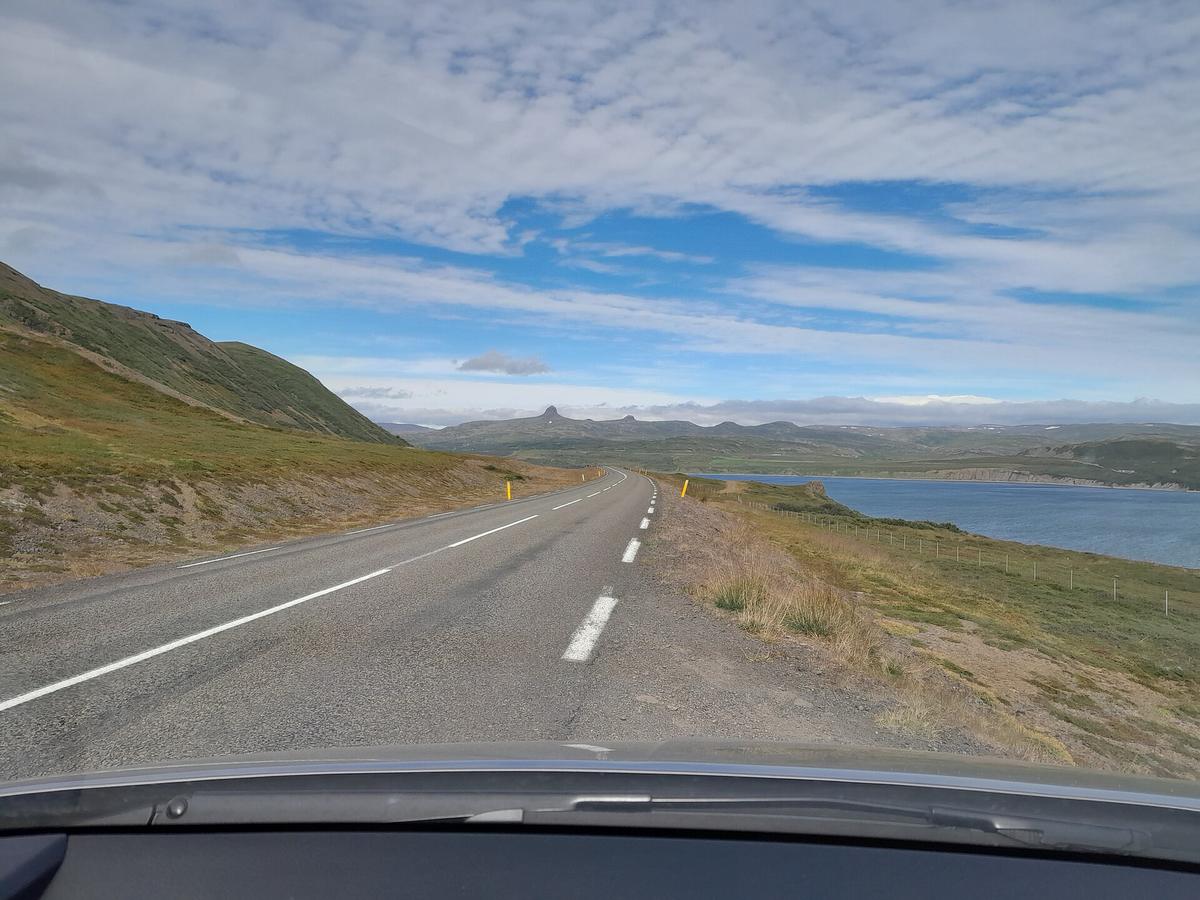
You are two hours into a gravel switchback. Your knuckles are white. The fjord below is a sheet of grey glass, and the only sound is the crunch of volcanic rock under your tyres. No phone signal. No other cars. Just you, a road that seems to fold in on itself, and the growing certainty that this was either a terrible mistake or the best decision you will make in Iceland.
That is the Westfjords. It is not part of the Ring Road. It is not convenient. Commit a minimum of three days. You will spend a significant portion of those days driving at 50 km/h on gravel, watching your fuel gauge like a hawk. But if you are the kind of traveller who would rather stand alone at the base of a 100 metre waterfall than queue for a photo of a glacier lagoon, this region will reward you in ways the Golden Circle never can.

The Smart Entry Point: the Baldur Ferry
Most people drive the Ring Road clockwise from Reykjavík, hit Snæfellsnes, and then face a 455 km slog north to Ísafjörður. That is 5.5 to 6.5 hours of driving in summer conditions, and that is before you have seen a single waterfall. Avoid that approach. Book the Baldur ferry from Stykkishólmur.
Why The Ferry Wins
The Baldur crosses to Brjánslækur in roughly 2.5 hours, passing through the island of Flatey. It carries 40 to 50 cars and runs year round, with two to three crossings daily in summer and one to two in winter. Reserve vehicle space in advance. The ferry cuts your driving time from Reykjavík to the heart of the Westfjords by at least two hours. It also lands you on the southern edge of the region, putting you closer to Rauðasandur and Látrabjarg than the northern approach would.
After You Dock
From Brjánslækur, the route is straightforward. Follow Route 62 east, then Route 60 north. You will cross the Steingrímsfjarðarheiði mountain pass at 440 metres elevation. In summer the road is open and paved. In winter it is frequently closed. Do not attempt this pass from October through April without checking road.is and vedur.is, and even then, be prepared to turn back.
Ísafjörður: Your Only Real Resupply Town
Ísafjörður, population 2,700, is the only settlement in the Westfjords where you can reliably fill a fuel tank, buy groceries, find a hotel, and get a sit down meal. It has a hospital, a small airport (IFJ), and car rental desks. Treat it as your base. Do not expect to find a petrol station every 50 km. Outside Ísafjörður, the gap between fuel stops can stretch to 100 km. Never let your tank drop below half.
The town sits inside a multi branch tunnel network called Vestfjarðagöng, which runs 9.1 km and includes single lane sections with passing places. Drive slowly. The tunnels are dark, damp, and unlit in parts. If you meet an oncoming car at a passing point, the driver with the wider space yields. This is not a place to rush.
Day Trips Worth The Drive
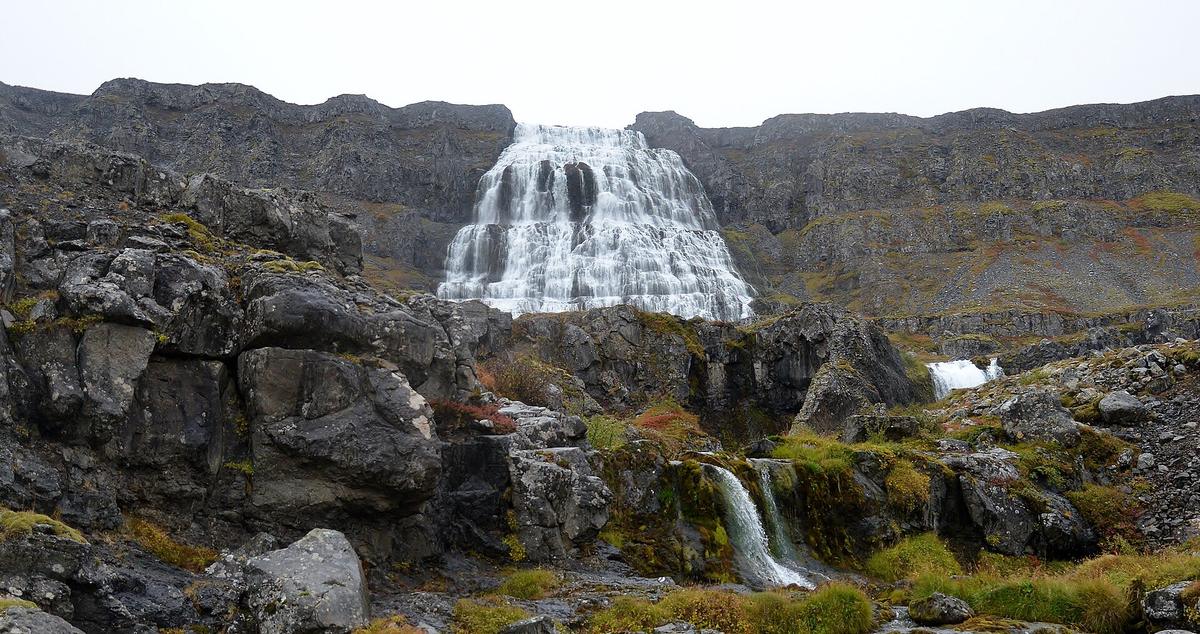
From Ísafjörður, the three main draws are all accessible as day trips, but you will spend 2.5 to 3.5 hours behind the wheel to reach the furthest ones. Dynjandi waterfall is 70 km away, a 1 to 1.5 hour drive east on Route 60. It is a 100 metre cascade that spreads from 30 metres wide at the top to 60 metres at the base. Park, walk the short trail, and stand at the bottom. No booking required.
Látrabjarg, the 14 km long cliff that rises to 441 metres, is 160 km from Ísafjörður, about 2.5 to 3.5 hours on Route 612, which is partly gravel and narrow. Puffins nest here from May to mid August, alongside razorbills, guillemots, fulmars, and kittiwakes. You can walk right to the edge. There is no fence. The birds will be within arm's length. Do not back up without looking. The cliff face is unstable in places.
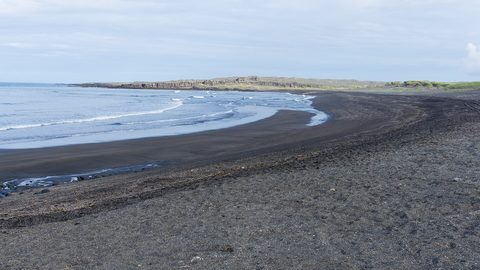
Rauðasandur beach, 150 km from Ísafjörður, is a 2.5 to 3.5 hour drive via Route 614, a steep gravel descent unsuitable for large vehicles. The sand is golden red to pinkish, nothing like the black sand of the South Coast. The beach stretches 10 km. You will likely have it to yourself.
.jpg)
Who Should Skip the Westfjords Entirely
If you have seven days total in Iceland and you plan to drive the Ring Road, do not add the Westfjords. You cannot do both without spending every waking hour behind the wheel. The Westfjords demand patience. They demand a tolerance for single lane gravel switchbacks. They demand a willingness to lose mobile signal for hours on end. If you find driving in whiteout conditions stressful, or if you prefer structured itineraries with indoor attractions, skip this region entirely.
The Right Traveller For This Place
The Westfjords suit solo road trippers, landscape photographers, geology nerds, adventure motorcyclists, and anyone who prefers nature over urban culture. They do not suit budget backpackers, nightlife seekers, or travellers who need to stay connected. If your trip is a 7 day Ring Road sprint, skip the Westfjords. If you have 10 days or more, or if you are willing to skip the Ring Road entirely and spend a week here, the payoff is real: Dynjandi's scale, Látrabjarg's puffins, Rauðasandur's colour, and the feeling that you are the only person in Iceland.
More destinations in Iceland
What to See in Westfjords
-
 Dynjandi
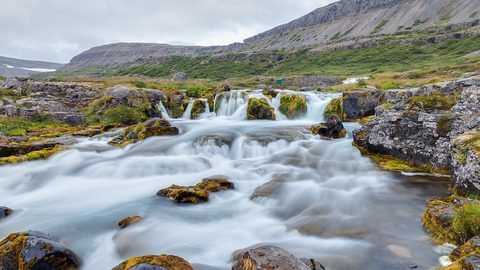
 is a cascading bridal-veil waterfall in the Westfjords reached by a stepped walk past six smaller falls, with a long gravel-road approach.
Dynjandi
Dynjandi is a cascading bridal-veil waterfall in the Westfjords reached by a stepped walk past six smaller falls, with a long gravel-road approach.
-
 Latrabjarg Bird Cliffs
Látrabjarg lets you photograph puffins from a metre away during their ten-week nesting window, but the unfenced cliff edge demands caution.
Latrabjarg Bird Cliffs
Látrabjarg lets you photograph puffins from a metre away during their ten-week nesting window, but the unfenced cliff edge demands caution.
Common Questions
Can I visit the Westfjords as a day trip from Reykjavík?
No. Driving time from Reykjavík to Ísafjörður is 5.5 to 6.5 hours each way in summer. That is 11 to 13 hours of driving for zero sightseeing. Commit a minimum of three days.
Do I need a 4x4 for the Westfjords in summer?
Not for the main routes. Roads 60, 61, 62, and 612 are mostly paved or well maintained gravel. Route 614 to Rauðasandur is a steep gravel descent but passable in a 2WD in dry conditions. Avoid F-roads in any vehicle without 4x4.
When is the best time to see puffins at Látrabjarg?
May through mid August. The birds nest on the cliffs and are most active in late June and July. Arrive early morning or late evening for softer light and fewer visitors.
Is the Baldur ferry worth the cost?
Yes. It saves roughly two hours of driving versus the land route from Snæfellsnes. It also gives you a break from the wheel and a scenic crossing through Flatey. Book vehicle space in advance, especially in July and August.
Read next
-
Dynjandi
Dynjandi is a cascading bridal-veil waterfall in the Westfjords reached by a stepped walk past six smaller falls, with a long gravel-road approach.
-
Latrabjarg Bird Cliffs
Látrabjarg lets you photograph puffins from a metre away during their ten-week nesting window, but the unfenced cliff edge demands caution.
-
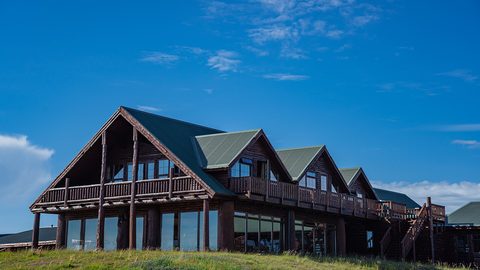 Iceland Accommodation Types from Farm Stays to Hostels
A hotel in rural Iceland rarely means what it means elsewhere. The real differences between guesthouses, farm stays, hostels and campsites before you book.
Iceland Accommodation Types from Farm Stays to Hostels
A hotel in rural Iceland rarely means what it means elsewhere. The real differences between guesthouses, farm stays, hostels and campsites before you book.
-
 Where to Stay in Iceland for a Ring Road Road Trip
On an Iceland lap, the road decides where you sleep. Which bases break the Ring Road into sensible chunks, and where inventory runs dangerously low in July.
Where to Stay in Iceland for a Ring Road Road Trip
On an Iceland lap, the road decides where you sleep. Which bases break the Ring Road into sensible chunks, and where inventory runs dangerously low in July.
-
 Keflavik Airport Flights Transfers and Iceland Domestic Routes
Keflavík to Reykjavík has no train. Flybus, taxi costs, rental car pickup, and when a domestic flight from Reykjavík City Airport saves a day of driving.
Keflavik Airport Flights Transfers and Iceland Domestic Routes
Keflavík to Reykjavík has no train. Flybus, taxi costs, rental car pickup, and when a domestic flight from Reykjavík City Airport saves a day of driving.
-
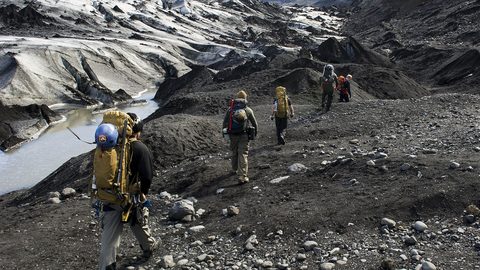 Iceland Experiences Worth Booking and Those That Depend on Weather
Some Iceland experiences vanish if you don't book weeks ahead. Silfra, ice caves, and Landmannalaugar huts sell out. Waterfalls and beaches just need you to show up.
Iceland Experiences Worth Booking and Those That Depend on Weather
Some Iceland experiences vanish if you don't book weeks ahead. Silfra, ice caves, and Landmannalaugar huts sell out. Waterfalls and beaches just need you to show up.
-
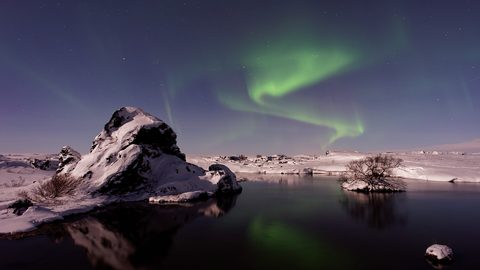 Best Time to Visit Iceland Month by Month With Daylight Hours
Iceland changes radically by month. This calendar covers daylight hours, road openings, puffin season, northern lights windows, and the two summer weekends that book out nationwide.
Best Time to Visit Iceland Month by Month With Daylight Hours
Iceland changes radically by month. This calendar covers daylight hours, road openings, puffin season, northern lights windows, and the two summer weekends that book out nationwide.
-
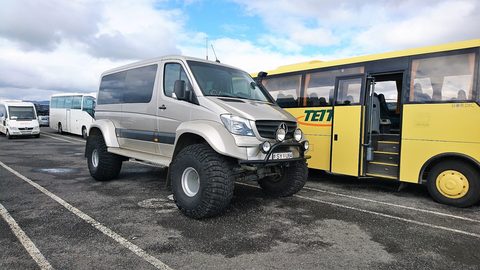 Getting Around Iceland by Car F-Roads Wind and Road.is
Driving Iceland means understanding F-road legality, reading road.is, and respecting wind that can rip a door off its hinges. This guide covers what rental agencies won't tell you.
Getting Around Iceland by Car F-Roads Wind and Road.is
Driving Iceland means understanding F-road legality, reading road.is, and respecting wind that can rip a door off its hinges. This guide covers what rental agencies won't tell you.
-
 South Iceland
How to drive Iceland's South Coast from Seljalandsfoss to Skaftafell, with honest timings, parking logistics, and the stops worth pulling over for.
South Iceland
How to drive Iceland's South Coast from Seljalandsfoss to Skaftafell, with honest timings, parking logistics, and the stops worth pulling over for.