A Day Driving the Snæfellsnes Peninsula
How to drive the Snæfellsnes Peninsula in one day from Reykjavík, routing Kirkjufell, Arnarstapi, and Djúpalónssandur into a manageable loop.
- Flag
-

- ISO code
- IS
- Currency
- ISK
- Timezone
- Atlantic/Reykjavik
A Day Driving the Snæfellsnes Peninsula
The common assumption is that you can swing by Snæfellsnes on the way to something else. That the peninsula is a scenic sideshow, a quick detour off the Ring Road. The truth is the opposite. Snæfellsnes demands a full day dedicated to it, and if you sequence the stops wrong, you will spend your daylight hours backtracking along Route 54. The right design is a clockwise loop from Reykjavík that builds momentum from the industrial north shore to the dramatic south coast and saves the headline sight for last.
You need a rental car. No tour bus can replicate the precision of a private vehicle on this route, because the value is in the timing of each stop, not in the checklist. Depart Reykjavík no later than 07:00. The first two hours are highway, cruising through the Hvalfjörður tunnel and past Akranes. Your first stop is Borgarnes, a service town that exists for exactly this purpose. Fill the tank, buy sandwiches and water at the N1 station, and use the toilet because the next reliable one is at Arnarstapi, roughly 90 minutes ahead. Do not skip this. Borgarnes is also your last chance for a supermarket until you loop back north.
The First Stops Before The Crowds
From Borgarnes, continue northwest on Route 54 until you hit the turn for Gerðuberg. These basalt columns stand in a straight wall, perfectly hexagonal, and they are almost always empty of visitors. The reason is that most day trippers race past on the way to the mountain. Five minutes here is enough. Park on the shoulder, walk to the face, confirm that nature can outdo architecture, and leave. The stop serves a strategic purpose: it lets you calibrate your pace before the denser attractions begin.
Next is Búðakirkja, the black church at Búðir. Built in 1848 and rebuilt in 1987, it is a single-room wooden chapel surrounded by a lava field. The ground here is uneven, the wind is relentless, and the composition for photography is obvious: the church against the pale sky, with Snæfellsjökull glacier as a backdrop on clear days. Do not spend more than fifteen minutes. The church is locked except for summer services, and there is nothing inside you cannot see in the exterior shot.
The Coastal Walk And The Black Beach
The real work begins at Arnarstapi. Park in the free lot by the restaurant and walk the coastal trail toward Hellnar. This is a 2.5 kilometre path along basalt cliffs, past the Gatklettur rock arch, with puffins nesting in the bluffs during June and July. The walk takes forty minutes one way if you stop for photos. You do not need to complete the full distance to Hellnar. Turn around at the second viewing platform, which gives you the best angle on the arch without the Hellnar crowds. Hellnar itself has a café and a souvenir shop, but the parking is smaller and the trail section between the two villages is the highlight, not either endpoint.
Djúpalónssandur comes next, and it is the one beach that will change how you think about black sand. The beach here is not sand at all. It is black pebbles, polished by the surf into smooth ovals that clatter under your boots. Four lifting stones sit on the beach: Fullsterkur at 154 kilograms, Hálfsterkur at 100, Hálfdrættingur at 54, and Amlóði at 23. These were historic strength tests for fishermen. If you could lift Fullsterkur to your hip, you were qualified for the crew. Spoiler: almost nobody who visits can. The wreckage of the trawler Epine GY7, which ran aground on 13 March 1948, lies rusting in the surf. Stay behind the debris line. Sneaker waves happen here, though they are less frequent than at Reynisfjara on the south coast. Keep your back to the water and never turn away from the ocean.
The Afternoon Strategy
At this point you have spent roughly four hours on the peninsula. You are now heading north on Route 574, the road that hugs the southern flank of Snæfellsjökull. This is where most day trippers make a critical mistake: they arrive at the famous mountain by 14:00, fight for parking, and photograph it with harsh overhead light. You will do the reverse. Push past it. Continue to the Rauðfeldsgjá gorge, a slot canyon that cuts 100 metres into the cliff. The entrance is barely two metres wide. You scramble over wet rocks for about five minutes before the gorge narrows to impassable. It is cold, dark, and entirely different from every other stop on the peninsula. It is also nearly empty in the afternoon. Most day trippers do not know it exists, because the turnoff is unsigned from the main road and requires a short gravel track. Go now. Fifteen minutes round trip, including the scramble.
From Rauðfeldsgjá, drive north toward Olafsvik and Grundarfjörður. This is agricultural country, green and flat compared to the lunar south coast. You will pass the Berserkjahraun lava field, roughly 4000 years old and covering four square kilometres. The road cuts straight through it. You do not need to stop; the view from the car window is the point.
Arriving At The Famous Mountain
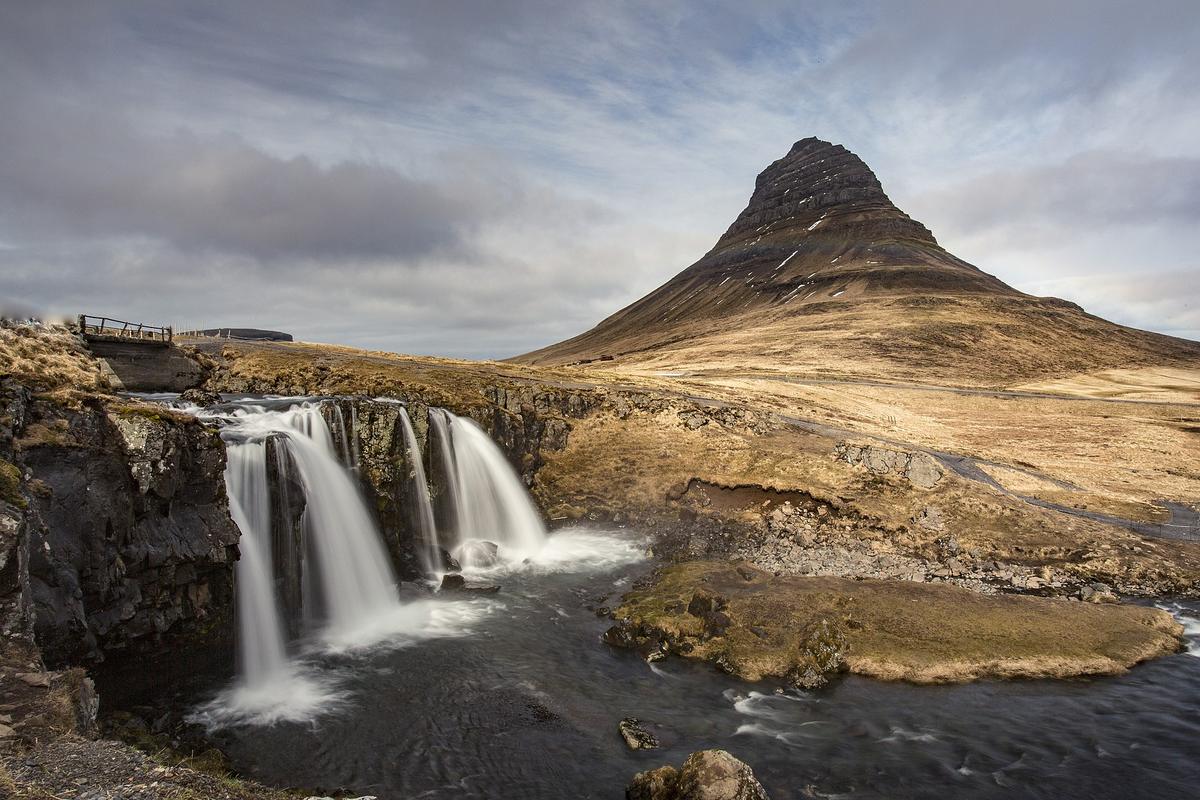
Arrive at the mountain at 17:00. The parking lot holds about thirty cars, and it fills early in summer and on weekends. If the lot is full, the road shoulder on the approach is wide enough for a single lane of parked vehicles, but only on the eastbound side. Park facing the direction of traffic. The waterfall you see in every photograph is Kirkjufellsfoss, not the mountain. The mountain is the backdrop. The falls are the foreground. The classic composition is from the footpath on the east bank, which places the staggered tiers of the falls between you and the peak. The drop is roughly five metres across multiple tiers, not dramatic in height, but the geometry of the shot is what matters. You have roughly two hours of good light in summer, less than that in shoulder seasons. By 19:00 the parking lot will be quiet again, and you will have the place to yourself for the last few shots.
The drive back to Reykjavík takes two hours and fifteen minutes from the mountain via Route 54. You will pass through Borgarnes again. Refuel there if you are below half a tank. The stations in Reykjavík close early on Sundays and the unmanned pumps require a chip and PIN card. You will arrive back in the city by 21:30 in summer, earlier in spring and autumn. That is a long day, roughly twelve hours from departure to return, but it is not an endurance drive because you never backtracked. Every stop moved you forward.
Should You Stay Overnight?
If the idea of a twelve hour day in a rental car sounds like too much, spend the night. One night on the peninsula changes the trip completely. You can wake at Djúpalónssandur before the tour buses arrive and catch the mountain at sunrise instead of sunset. The loop is 230 kilometres and you could drive it without stopping in three and a half hours, but that misses the entire point. Snæfellsnes is called Iceland in Miniature for a reason: it compresses glaciers, lava, beaches, cliffs, fishing villages, geothermal activity, and waterfalls into an area roughly 90 kilometres long and 30 kilometres wide. You can see all of that in one day. You just have to move with purpose.
.jpg)
| Stop | Time Needed | Best Arrival Time |
|---|---|---|
| Gerðuberg basalt columns | 5 minutes | 08:30 |
| Búðakirkja black church | 15 minutes | 09:00 |
| Arnarstapi coastal walk | 40 minutes | 09:30 |
| Djúpalónssandur wreckage beach | 30 minutes | 11:00 |
| Rauðfeldsgjá gorge | 15 minutes | 14:00 |
| Kirkjufell and Kirkjufellsfoss | 45 minutes | 17:00 |

More destinations in Iceland
What to See in Snaefellsnes
Common Questions
Can I do the Snæfellsnes day trip without a rental car?
Yes, but you lose control of timing and sequence. Tour buses from Reykjavík run daily and hit the major stops including the mountain and Arnarstapi. You will share each site with fifty other people and arrive at the mountain in the middle of the day when the light is flat.
How much driving time does this clockwise loop save compared to a counterclockwise route?
Roughly 45 minutes. The counterclockwise approach hits the mountain first, meaning you face afternoon traffic on the narrow south coast roads and finish with the longer drive back from Arnarstapi. Clockwise saves that last leg and gives you the mountain at sunset.
Is Vatnshellir lava tube worth the detour on a single day?
Only if you skip Rauðfeldsgjá gorge. Vatnshellir requires a guided tour, costs a fee, and takes 40 minutes underground. The gorge is free, immediate, and takes 15 minutes. On a single day, prioritize the gorge for its speed and uniqueness.
What happens if the weather closes Route 574 around Snæfellsjökull?
You are stuck driving Route 54 the long way through Stykkishólmur, adding 45 minutes. Check road.is before leaving Borgarnes. If 574 is closed at the glacier, drop Djúpalónssandur and Arnarstapi from the loop and focus on the mountain and the north shore.
Read next
-
 Kirkjufell
The classic Kirkjufell photograph is taken from a footbridge above Kirkjufellsfoss, and the small parking lot fills fast at sunset in summer.
Kirkjufell
The classic Kirkjufell photograph is taken from a footbridge above Kirkjufellsfoss, and the small parking lot fills fast at sunset in summer.
-
 Iceland Accommodation Types from Farm Stays to Hostels
A hotel in rural Iceland rarely means what it means elsewhere. The real differences between guesthouses, farm stays, hostels and campsites before you book.
Iceland Accommodation Types from Farm Stays to Hostels
A hotel in rural Iceland rarely means what it means elsewhere. The real differences between guesthouses, farm stays, hostels and campsites before you book.
-
 Where to Stay in Iceland for a Ring Road Road Trip
On an Iceland lap, the road decides where you sleep. Which bases break the Ring Road into sensible chunks, and where inventory runs dangerously low in July.
Where to Stay in Iceland for a Ring Road Road Trip
On an Iceland lap, the road decides where you sleep. Which bases break the Ring Road into sensible chunks, and where inventory runs dangerously low in July.
-
 Keflavik Airport Flights Transfers and Iceland Domestic Routes
Keflavík to Reykjavík has no train. Flybus, taxi costs, rental car pickup, and when a domestic flight from Reykjavík City Airport saves a day of driving.
Keflavik Airport Flights Transfers and Iceland Domestic Routes
Keflavík to Reykjavík has no train. Flybus, taxi costs, rental car pickup, and when a domestic flight from Reykjavík City Airport saves a day of driving.
-
 Iceland Experiences Worth Booking and Those That Depend on Weather
Some Iceland experiences vanish if you don't book weeks ahead. Silfra, ice caves, and Landmannalaugar huts sell out. Waterfalls and beaches just need you to show up.
Iceland Experiences Worth Booking and Those That Depend on Weather
Some Iceland experiences vanish if you don't book weeks ahead. Silfra, ice caves, and Landmannalaugar huts sell out. Waterfalls and beaches just need you to show up.
-
 Best Time to Visit Iceland Month by Month With Daylight Hours
Iceland changes radically by month. This calendar covers daylight hours, road openings, puffin season, northern lights windows, and the two summer weekends that book out nationwide.
Best Time to Visit Iceland Month by Month With Daylight Hours
Iceland changes radically by month. This calendar covers daylight hours, road openings, puffin season, northern lights windows, and the two summer weekends that book out nationwide.
-
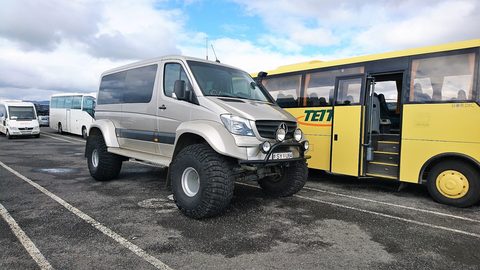 Getting Around Iceland by Car F-Roads Wind and Road.is
Driving Iceland means understanding F-road legality, reading road.is, and respecting wind that can rip a door off its hinges. This guide covers what rental agencies won't tell you.
Getting Around Iceland by Car F-Roads Wind and Road.is
Driving Iceland means understanding F-road legality, reading road.is, and respecting wind that can rip a door off its hinges. This guide covers what rental agencies won't tell you.
-
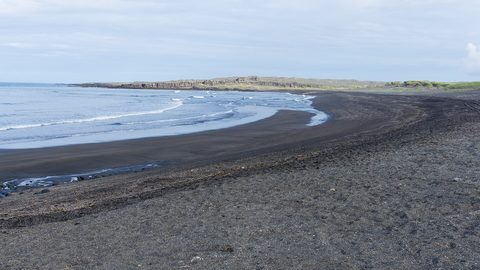 South Iceland
How to drive Iceland's South Coast from Seljalandsfoss to Skaftafell, with honest timings, parking logistics, and the stops worth pulling over for.
South Iceland
How to drive Iceland's South Coast from Seljalandsfoss to Skaftafell, with honest timings, parking logistics, and the stops worth pulling over for.
-
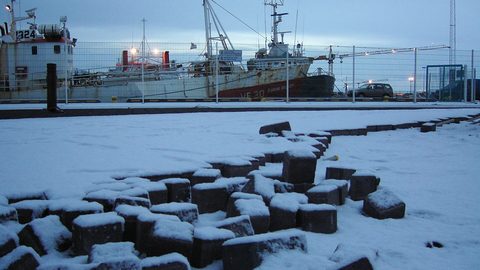 Capital Region
How to spend your arrival and departure days in Reykjavík, from the Miðborg walking loop to Vesturbær's local pools and the domestic airport at RKV.
Capital Region
How to spend your arrival and departure days in Reykjavík, from the Miðborg walking loop to Vesturbær's local pools and the domestic airport at RKV.