Jökulsárlón and Fjallsárlón Ten Minutes Apart, Two Different Experiences
Jökulsárlón and Fjallsárlón are only ten minutes apart but offer different glacier lagoon experiences. Which to choose based on crowds, boat tours, and access.

Ten Minutes, Two Lagoons, One Decision
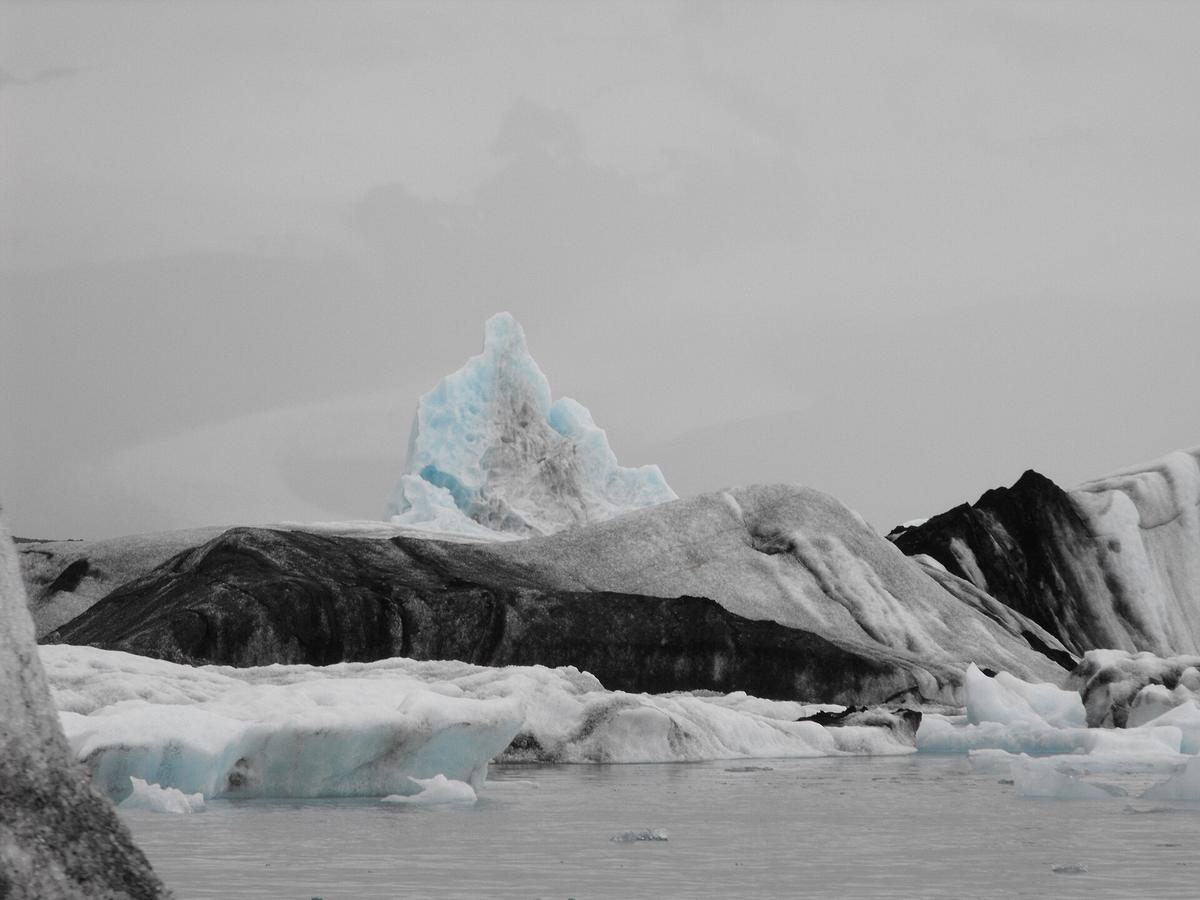
Most visitors assume Jökulsárlón and Fjallsárlón are the same thing viewed from different angles. They are not. They sit ten kilometres apart on Route 1, both carved by the same glacier, but they serve completely different purposes for a traveller.
Jökulsárlón is a production. Zodiac boats, amphibian vehicles, a visitor centre the size of a small airport terminal, crowds that peak by 11:00, and Diamond Beach directly across the road. Fjallsárlón is the opposite. A gravel lot, a small café, no scheduled boat tours, and the freedom to walk almost to the glacier tongue without a ticket. The real question is which one fits what you actually want from this part of the south coast.
| Factor | Jökulsárlón | Fjallsárlón |
|---|---|---|
| Surface Area | Approximately 18 km² | Approximately 4 km² |
| Maximum Depth | 248 m | Approximately 112 m |
| Iceberg Density | Higher count, larger individual bergs | Fewer, smaller bergs clustered near glacier face |
| Boat Tours | Amphibian (30–40 min) and Zodiac (60–90 min) | Zodiac only (approx. 60 min) |
| 2024 Boat Price (Adult) | Amphibian ISK 6,500, Zodiac ISK 10,500 | ISK 8,900 |
| Boat Season | Approximately April to October | Approximately May to October |
| Facilities | Large visitor centre, café, restaurant, restrooms, souvenir shop | Small café, restrooms, no large visitor centre |
| Parking | Large paved lot, fee introduced 2024 | Smaller gravel lot, no fee |
| Crowd Level | High, busiest glacier lagoon in Iceland | Low to moderate |
| Diamond Beach | Directly opposite, south side of Route 1 | None, lagoon does not connect to ocean |
| Walking Access to Glacier | Limited, roped off | Possible, can walk to the glacier tongue edge |
The Winner is Jökulsárlón, but Only for a Specific Traveller
Pick Jökulsárlón if your priority is the full experience. You want a Zodiac ride that threads between house sized icebergs. You want to stand on Diamond Beach and watch ice wash ashore on black sand. You want the infrastructure: a real bathroom, a hot meal, a gift shop. Jökulsárlón delivers that at scale.
Book your boat tour days ahead in summer, arrive by 08:30 to beat the tour bus parade, and plan 90 minutes for the lagoon plus 30 minutes for the beach. The Zodiac tour costs ISK 10,500 per adult and runs 60 to 90 minutes. The cheaper amphibian tour at ISK 6,500 is shorter and stays in the shallows. Skip the amphibian. The Zodiac gets you closer to the glacier face and into the ice field.
Who Should Pick Fjallsárlón Instead
Pick Fjallsárlón if you want solitude. You are a landscape photographer who needs empty foregrounds. You are a geology nerd who wants to see the glacier terminus without a rope line or a ticket kiosk. You are on a tight schedule and can spare 40 minutes rather than two hours.
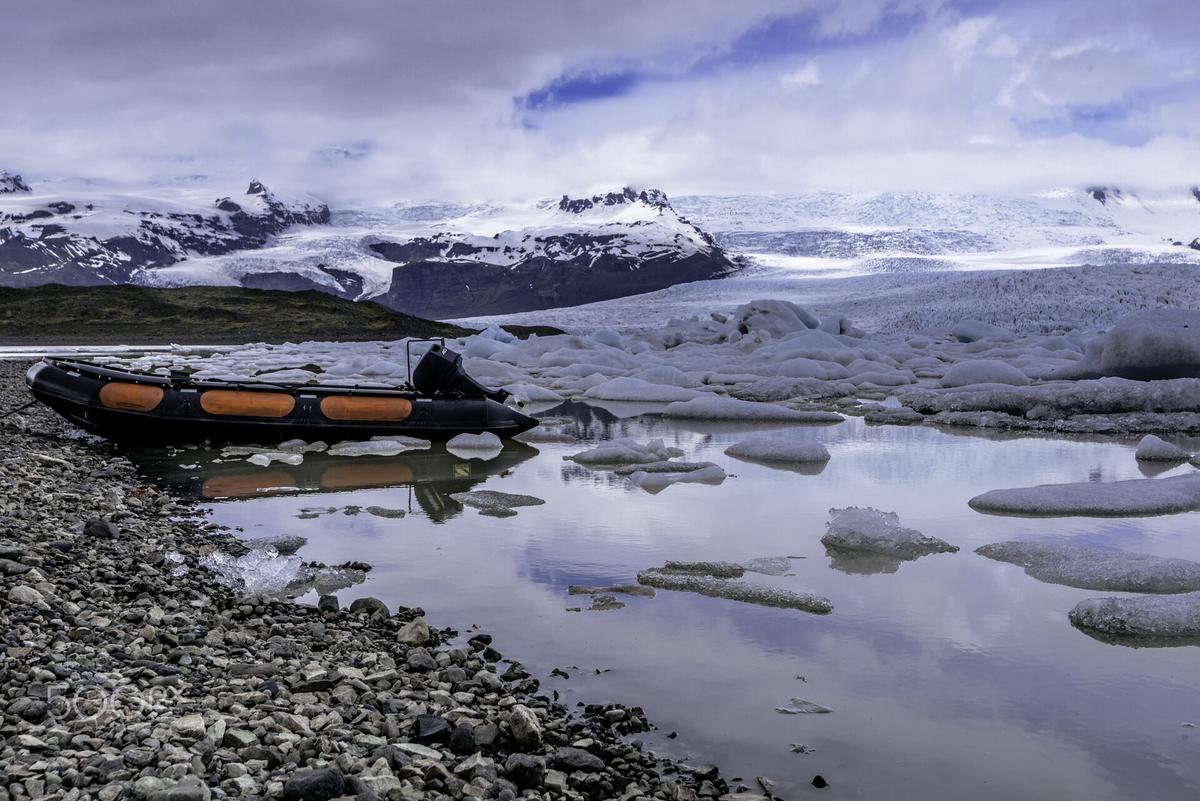
Fjallsárlón gives you a smaller lagoon, fewer icebergs, and no beach, but it gives you something Jökulsárlón cannot: direct access. Walk from the gravel parking lot to within metres of the glacier tongue. The Zodiac tour here costs ISK 8,900, runs about 60 minutes, and operates May through October, but you do not need a boat. The best experience at Fjallsárlón costs nothing and takes 20 minutes. Park, walk the shoreline, and stand still for five minutes. The quiet is the point.
How to See Both Without Regretting the Rush
You can visit both in one morning. They are ten kilometres apart, roughly a 12 minute drive. The common mistake is to stop at Jökulsárlón first, spend two hours there, then race through Fjallsárlón in ten minutes before rushing to Höfn or back toward Reykjavík. Reverse the order.
Hit Fjallsárlón first at 08:00. The parking lot will be empty. The light will be low. You will have the lagoon to yourself for 30 minutes. Then drive east to Jökulsárlón, arrive by 08:45, and watch the crowds build as you finish. That sequence costs you the same two hours total but gives you the quiet version of each lagoon.
If you only have one hour total, skip Fjallsárlón entirely. Walk the Jökulsárlón shoreline for 20 minutes, cross the road to Diamond Beach for 20 minutes, and leave. One hour at Jökulsárlón plus Diamond Beach beats 30 minutes at each lagoon.
What Each Lagoon Costs Beyond The Entrance
Jökulsárlón introduced a parking fee in 2024. The exact amount varies by season, but budget for it. The café prices are high: ISK 1,500 for a coffee, and more for a sandwich. The Zodiac tour at ISK 10,500 makes this the most expensive single stop on the south coast outside a guided tour.
Fjallsárlón has no parking fee. The small café sells soup and coffee at similar prices but with less selection. The Zodiac tour here costs ISK 8,900, cheaper than Jökulsárlón but still a real expense. If you are on a strict budget, skip both boat tours. The view from the shore at either lagoon is free and, for many travellers, more memorable than a bumpy ride through ice water.
Winter Vs Summer: The Season Changes The Choice
In summer, June through August, Jökulsárlón is overwhelmed by buses between 10:00 and 15:00. Fjallsárlón remains quiet. In winter, December through January, both lagoons are darker, colder, and less accessible. Boat tours stop running by October at both locations.
Jökulsárlón still draws visitors for the icebergs and the beach, but the wind off the glacier can make standing on the shore brutal. Fjallsárlón in winter is a ghost place. The road stays open, the parking lot is empty, and the ice looks different under low grey light. If you are driving the Ring Road in November or March, pick Fjallsárlón for the atmosphere and Jökulsárlón for the guarantee that something will be open.
.jpeg)
Worth it if
- Jökulsárlón delivers the full spectacle: huge icebergs, Zodiac tours, Diamond Beach, and reliable facilities open late into the season.
- Fjallsárlón offers genuine quiet, free parking, and the rare chance to walk directly to a glacier tongue without a tour or a barrier.
- Both lagoons are close enough to visit in a single stop, saving you a second detour later on the Ring Road.
Skip it if
- Jökulsárlón is expensive between the parking fee, boat tour, and overpriced café; budget ISK 12,000 per adult for the full experience.
- Fjallsárlón lacks Diamond Beach, a large visitor centre, and the massive icebergs that make Jökulsárlón famous; it feels anticlimactic if you expect the same scale.
- Jökulsárlón in peak summer can feel like a theme park queue; the tranquillity of the lagoon is lost between 10:00 and 15:00.
Common Questions
Can I walk on the glacier at either lagoon?
No. Walking on the glacier tongue without a guide and proper equipment is dangerous and prohibited. Both lagoons offer shoreline views only. Book a guided glacier walk from Skaftafell if you want to step onto the ice.
Which lagoon has the best light for photography?
Fjallsárlón at sunrise, because the glacier face catches first light with no crowds in the frame. Jökulsárlón works best in late afternoon, when the icebergs reflect golden light and Diamond Beach is backlit.
Is the Zodiac tour at Fjallsárlón worth the money?
Only if you want a quieter boat ride. The tour is shorter and cheaper than Jökulsárlón's Zodiac, and the icebergs are smaller. You will be closer to the glacier face, but you miss Diamond Beach entirely.
What happens if the weather closes Jökulsárlón?
Boat tours cancel in high wind or heavy fog. The lagoon viewpoint and Diamond Beach remain open, but visibility can drop to zero. Check road.is and vedur.is before you drive from Reykjavík or Höfn.
Read next
-
 Icelandic Place Names: The Word-Parts That Decode the Map
Icelandic place names are compounds that describe the place. Learn twenty word-parts and most of the map explains itself.
Icelandic Place Names: The Word-Parts That Decode the Map
Icelandic place names are compounds that describe the place. Learn twenty word-parts and most of the map explains itself.
-
 Icelandic Road Signs: The Words You Need Before You Drive
Iceland signs its hazards in Icelandic. Six words matter more than the rest, and two of them appear on the Ring Road hourly.
Icelandic Road Signs: The Words You Need Before You Drive
Iceland signs its hazards in Icelandic. Six words matter more than the rest, and two of them appear on the Ring Road hourly.
-
 Icelandic Phrases for Travellers, and When They Actually Help
Everyone in Iceland speaks English, so phrases are courtesy rather than necessity. These are the ones that land well.
Icelandic Phrases for Travellers, and When They Actually Help
Everyone in Iceland speaks English, so phrases are courtesy rather than necessity. These are the ones that land well.
-
 The Icelandic Alphabet: Þ, Ð, Æ, Ö and How to Read Them
Icelandic has four letters English does not, and every road sign uses them. What they sound like, how to type them, and where to go next.
The Icelandic Alphabet: Þ, Ð, Æ, Ö and How to Read Them
Icelandic has four letters English does not, and every road sign uses them. What they sound like, how to type them, and where to go next.