Visiting Jökulsárlón and Diamond Beach
Why Jökulsárlón glacier lagoon demands an overnight stay, not a Reykjavík day trip, plus zodiac boat booking and Diamond Beach photography timing.
Visiting Jökulsárlón and Diamond Beach
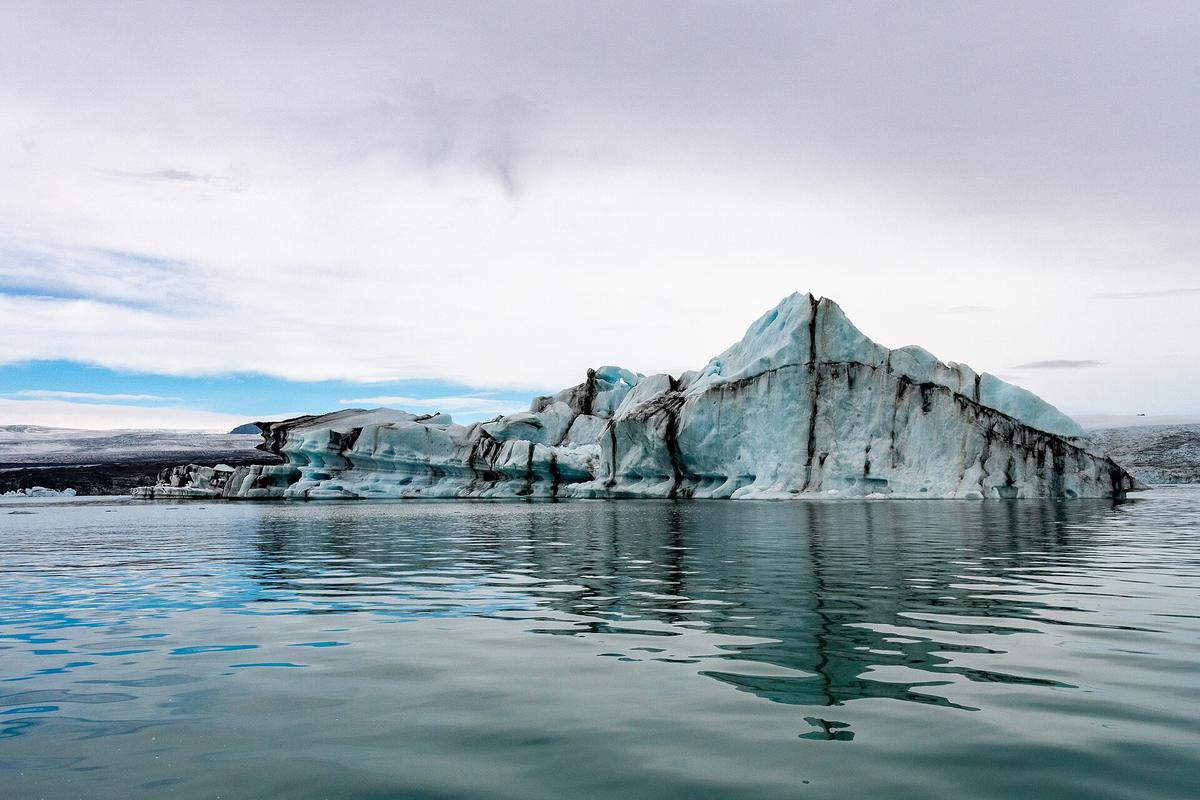
You watch a calved iceberg the size of a shipping container rotate slowly in blue water so deep it looks black. Then you check your watch, realise you have to drive five hours back to Reykjavík, and you get why this place punishes the day tripper. The fantasy says you can swing by the lagoon between breakfast and dinner. The road says you cannot.
- Distance from Reykjavík: 379 km via Route 1, one way
- Drive time one way: 4.5 - 5.5 hours in good conditions
- Round trip drive time: 9 - 11 hours without stops
- Lagoon type: Glacial outwash lagoon
- Maximum depth: 248 metres
- Source glacier: Breiðamerkurjökull, an outlet of Vatnajökull
- Formation began: 1934 - 1935
- Peak boat season: Amphibious May - October; Zodiac June - September
- Winter season: Ice cave tours depart from the lagoon
Why Driving from Reykjavík is a Mistake
Take the number seriously. 379 kilometres each way. At the legal speed limit on a dry road, that is four and a half hours. Add wind, rain, road construction, the tour bus you get stuck behind on the single lane bridges east of Vík, and two compulsory photo stops at Seljalandsfoss and Skógafoss because you are driving right past them. You are now looking at five to five and a half hours. One way.
That means a round trip of ten to eleven hours behind the wheel. You leave Reykjavík at 07:00, you roll into the lagoon car park at 12:30. You have two hours before you must turn around to be back by 20:00. Two hours to walk the shore, cross the road to Diamond Beach, board a boat, eat something, and absorb the single most concentrated display of glacial power in Iceland. It is not enough.
What Gets Cut on a Day Trip
The zodiac tour takes 60 to 75 minutes. That is your entire usable window if you also want to see Diamond Beach. The amphibious boat takes 30 to 40 minutes and costs ISK 6,500 per adult, but it stays far from the glacier face. The zodiac costs ISK 10,500, carries a maximum of 12 passengers, and goes close enough that you hear the ice creak. You want the zodiac. In summer, those tours book days ahead. If you arrive at 12:30 without a reservation, you take whatever is left, which is usually the amphibious boat or nothing.
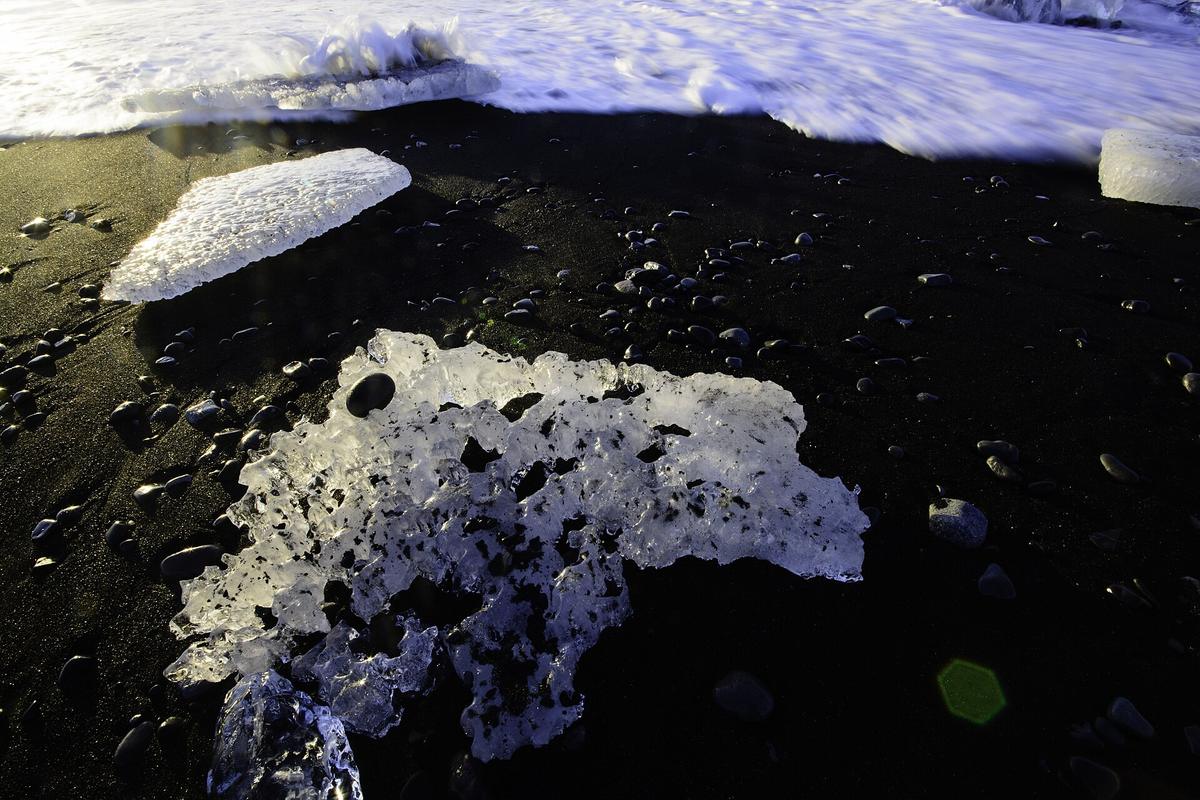
Diamond Beach photographs best at sunrise. That is a fact of light, not a preference. The low angle catches the blue cores of the ice chunks and the wet black sand turns reflective. On a day trip, you get the flat noon light that washes out texture. You also get the midday tour bus crowd. The beach on the other side of Route 1, where fist sized ice to blocks over a metre across wash up from the tidal channel, is not a set piece. The ice appears and disappears with the tide. Low tide is when you see the most. You cannot time low tide from a Reykjavík departure.
How to Plan an Overnight Stay
Stay in Höfn or at a guesthouse near the lagoon. Höfn is a 50 minute drive east. It has real restaurants that serve langoustine grilled with garlic butter, a supermarket, and enough accommodation that you can book a room without selling a kidney. Closer guesthouses exist within 10 to 20 minutes of the water, but they fill first and cost more for less space. Book either option at least three months ahead for June through August.
What an Overnight Gives You
You arrive the evening before. You walk the shore in the long northern dusk when tour buses have left. You photograph Diamond Beach at golden hour and again at sunrise without rushing. You book the zodiac tour for 09:00, when the water is calmest and the light hits the bergs from the east. You take the full 75 minutes. You watch harbour seals and grey seals. You notice the mix of seawater and glacial meltwater that makes the lagoon a tidal estuary, not a still lake. You feel the cold that comes off the ice. Then you drive to Höfn, eat langoustine, and sleep.
Winter Adds a Second Reason
From late November through March, ice cave tours depart from the lagoon. These are not the artificial ice caves near the glacier tongues on the south coast. These are natural caverns inside the Vatnajökull ice cap. The tours go by modified super jeep, require crampons and a guide, and book weeks in advance. If you have a room near the water, you can take the 08:00 tour, be back at the car by 13:00, and still have daylight for Diamond Beach. If you are driving from Reykjavík, you hit the tunnel of Route 1 in darkness, face a 4 to 5 hour drive each way, and get maybe two hours of usable light at the destination. Do not do it.
Boat Tours and Diamond Beach Timing
Two boat operators run from the lagoon. Both are operated by Jökulsárlón ehf. The amphibious vehicle, a converted military LARC, carries large groups and runs May through October. It is stable, warm, and suitable for children aged 6 and up. It costs ISK 6,500 per adult and ISK 3,250 per child 6 to 12. It does not get close to the glacier face. The zodiac runs June through September, costs ISK 10,500 per adult, lasts 60 to 75 minutes, limits each boat to 10 to 12 passengers, and requires minimum age of 10. It goes into channels the amphibious vehicle cannot reach. Book the zodiac. Book it the minute you confirm your travel dates. In July, morning slots sell out two weeks ahead.
When to Hit Diamond Beach
Diamond Beach lies directly across Route 1 from the lagoon. The ice comes from the same source. Bergs calve into the water, float for days to years, melt down until they are buoyant enough to exit through the short tidal channel to the Atlantic, then wash up on the black sand opposite. The window for seeing them is low tide. Check a tide chart for the nearest coastal station before you go. Sunrise between May and August is the best shooting light. Sunset works too, but sunrise has fewer people. The ice size ranges from fist sized to blocks over a metre across. Some chunks are clear. Some are blue. Some are black with volcanic ash from historic eruptions. None stay in place. The tide and swell rearrange them hourly.
Fjallsárlón, 10 kilometres west on Route 1, is smaller and less visited. Its glacier face, Fjallsjökull, sits closer to the viewing area than Breiðamerkurjökull does at the main lagoon. Boat tours run on a smaller scale. If you have an overnight, drive the 10 minutes to see it. If you are on a day trip, skip it. You do not have time.

_Iceland.jpg)
Common Questions
Can I visit Jökulsárlón as a day trip from Reykjavík?
Tour operators sell it, but the drive takes 9 to 11 hours round trip. That leaves you two hours at the lagoon in the worst light of the day. The case against doing it is strong. Stay overnight.
Which boat tour should I book at Jökulsárlón?
Book the zodiac. It costs ISK 10,500 per adult, runs 60 to 75 minutes, takes a maximum of 12 passengers per boat, and goes close to the glacier face. Available June through September for passengers aged 10 and up. Book days ahead in summer.
When is the best time to photograph Diamond Beach?
At low tide during sunrise. The low sun angle catches the ice colour. Sunrise between May and August has the fewest people and the best light. Check a tide chart before you go.
What accommodation is closest to Jökulsárlón?
A few guesthouses sit within 10 to 20 minutes of the lagoon, but they fill first and cost more. Höfn, 50 minutes east, has more options including restaurants serving langoustine. Book either at least three months ahead for summer.
Are there ice cave tours from Jökulsárlón in winter?
Yes. From November through March, tours depart from the lagoon into natural caverns inside Vatnajökull. They use modified super jeeps. Book weeks ahead. Staying near the lagoon makes the early morning departure practical.
Read next
-
 Reynisfjara Black Sand Beach
Reynisfjara is Iceland's most dangerous beach. Learn the sneaker wave warning system, where the death zone lies, and how to visit the basalt columns safely.
Reynisfjara Black Sand Beach
Reynisfjara is Iceland's most dangerous beach. Learn the sneaker wave warning system, where the death zone lies, and how to visit the basalt columns safely.
-
 Skaftafell
 is the hiking gateway to Vatnajökull National Park. Compare trail lengths, the Svartifoss basalt column route, and glacier viewpoints before you arrive.
Skaftafell
Skaftafell is the hiking gateway to Vatnajökull National Park. Compare trail lengths, the Svartifoss basalt column route, and glacier viewpoints before you arrive.
-
 Solheimajokull Glacier
Sólheimajökull is Iceland's most popular beginner glacier hike. Learn what crampon-fitting feels like, how tough the walk is, and why unguided access is fatal.
Solheimajokull Glacier
Sólheimajökull is Iceland's most popular beginner glacier hike. Learn what crampon-fitting feels like, how tough the walk is, and why unguided access is fatal.
-
 Seljalandsfoss
 lets you walk behind the cascade, but the real reward is Gljúfrabúi hidden in a canyon cleft next door. Learn the wading route and parking system.
Seljalandsfoss
Seljalandsfoss lets you walk behind the cascade, but the real reward is Gljúfrabúi hidden in a canyon cleft next door. Learn the wading route and parking system.
-
 Vik
Understand the dangers of Reynisfjara’s sneaker waves and plan a safe, rewarding stop in Vík on Iceland’s south coast.
Vik
Understand the dangers of Reynisfjara’s sneaker waves and plan a safe, rewarding stop in Vík on Iceland’s south coast.
-
 Iceland Accommodation Types from Farm Stays to Hostels
A hotel in rural Iceland rarely means what it means elsewhere. The real differences between guesthouses, farm stays, hostels and campsites before you book.
Iceland Accommodation Types from Farm Stays to Hostels
A hotel in rural Iceland rarely means what it means elsewhere. The real differences between guesthouses, farm stays, hostels and campsites before you book.
-
 Where to Stay in Iceland for a Ring Road Road Trip
On an Iceland lap, the road decides where you sleep. Which bases break the Ring Road into sensible chunks, and where inventory runs dangerously low in July.
Where to Stay in Iceland for a Ring Road Road Trip
On an Iceland lap, the road decides where you sleep. Which bases break the Ring Road into sensible chunks, and where inventory runs dangerously low in July.
-
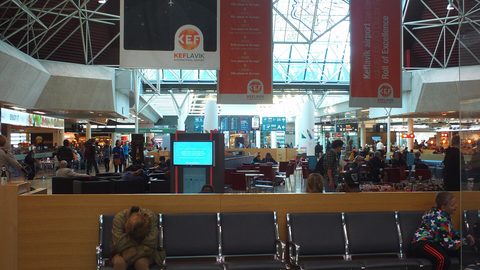 Keflavik Airport Flights Transfers and Iceland Domestic Routes
Keflavík to Reykjavík has no train. Flybus, taxi costs, rental car pickup, and when a domestic flight from Reykjavík City Airport saves a day of driving.
Keflavik Airport Flights Transfers and Iceland Domestic Routes
Keflavík to Reykjavík has no train. Flybus, taxi costs, rental car pickup, and when a domestic flight from Reykjavík City Airport saves a day of driving.
-
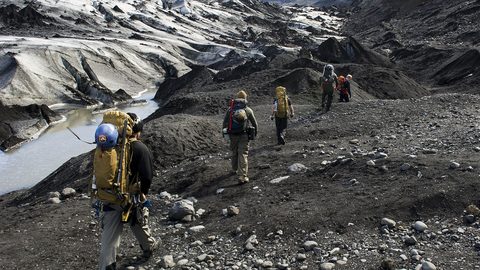 Iceland Experiences Worth Booking and Those That Depend on Weather
Some Iceland experiences vanish if you don't book weeks ahead. Silfra, ice caves, and Landmannalaugar huts sell out. Waterfalls and beaches just need you to show up.
Iceland Experiences Worth Booking and Those That Depend on Weather
Some Iceland experiences vanish if you don't book weeks ahead. Silfra, ice caves, and Landmannalaugar huts sell out. Waterfalls and beaches just need you to show up.