Icelandic Phrases Worth Knowing
Everyone in Iceland speaks English, so phrases are courtesy rather than necessity. These are the ones that land well.
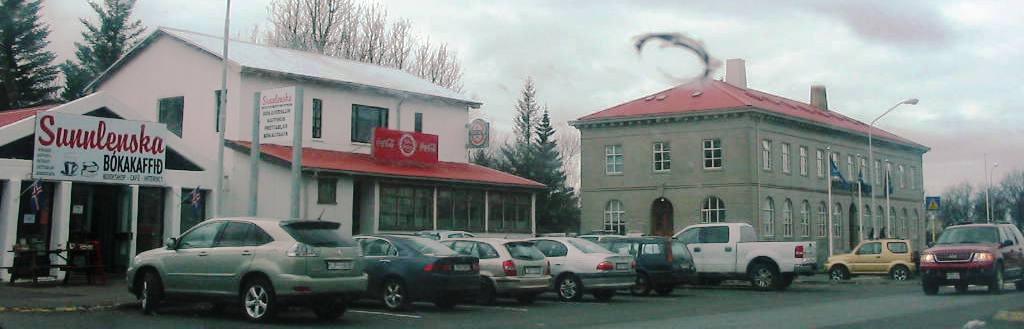

Let us be honest about this first: you do not need Icelandic to travel in Iceland. English is close to universal, spoken well, and an Icelander will switch to it the moment they hear you struggling - often before you have finished the word.
So learning phrases here is not about getting by. It is about courtesy, and about the small warmth that follows when a visitor has clearly bothered. Two words do most of that work: takk fyrir.
- Halló / Hæ - hello / hi
- Góðan daginn - good day. Gott kvöld - good evening
- Takk - thanks. Takk fyrir - thank you. Takk fyrir mig - thank you for the meal, said on leaving a table
- Já yes, nei no
- Afsakið - excuse me. Fyrirgefðu - sorry
- Bless - goodbye. Sjáumst - see you
- Talarðu ensku? - do you speak English? (the answer is yes)
- Ég skil ekki - I don't understand
- Hvað kostar þetta? - how much is this?
- Hvar er...? - where is...?
- Klósett or snyrting - toilet
- Opið open, lokað closed
- Vatn water - and tap water here is better than anything bottled
- Kaffi coffee, bjór beer, mjólk milk
- Reikninginn, takk - the bill, please
- Skál! - cheers
- Verði þér að góðu - you're welcome / enjoy
What to order, and what the words on a menu mean, is on eating in Iceland.
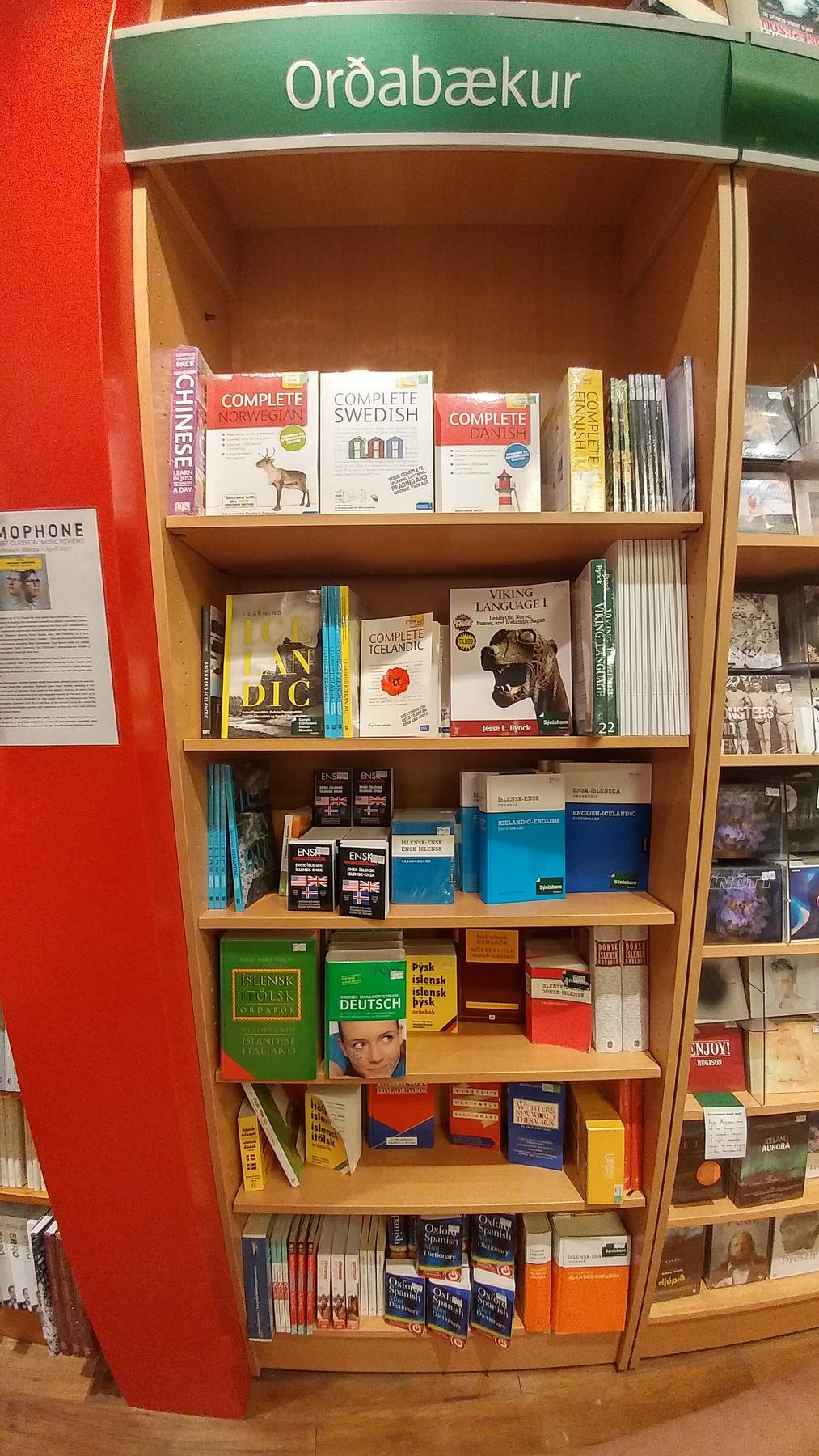

- 112 - the emergency number for everything. There is also a 112 Iceland app that transmits your position
- Hjálp! - help
- Lögregla police, læknir doctor, sjúkrahús hospital, apótek pharmacy
- Er vegurinn opinn? - is the road open?
- 1-10: einn, tveir, þrír, fjórir, fimm, sex, sjö, átta, níu, tíu
- Í dag today, á morgun tomorrow, í gær yesterday
- Mánudagur Monday through sunnudagur Sunday - the -dagur ending is the giveaway
- Opnunartími opening hours
Prices are said in thousands constantly - Icelandic króna has no small change in practice - so þúsund (thousand) is worth recognising.
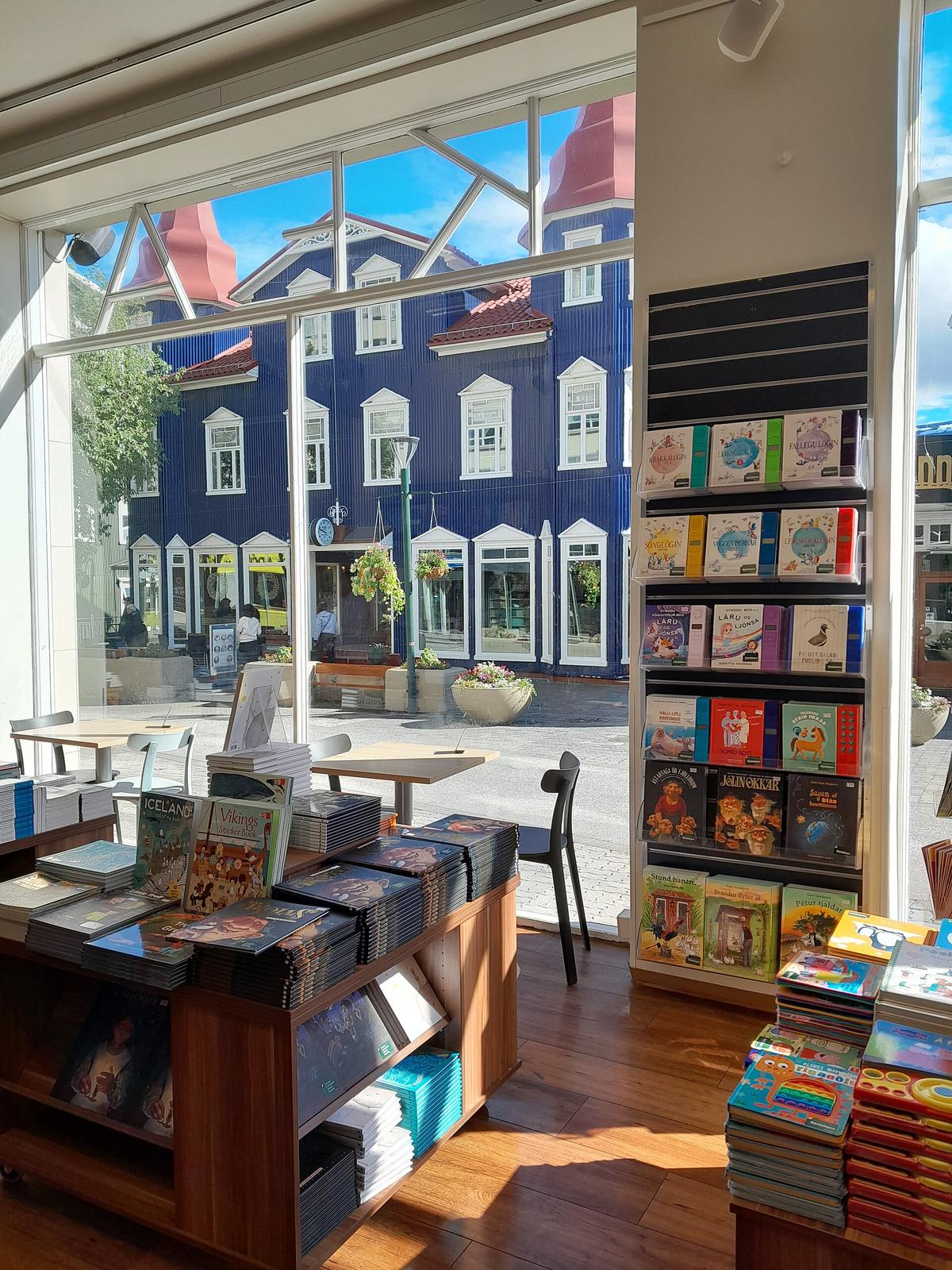

This is the vocabulary that actually changes your day, because it is what the radio and the notice board at the guesthouse are talking about:
- Veður weather, vindur wind, rigning rain, snjór snow
- Hálka ice on the road, þoka fog
- Viðvörun warning - yellow, orange and red alerts use this word
- Er vegurinn opinn? - is the road open?
It is worth understanding rather than taking personally. Icelandic has around 370,000 speakers, and Icelanders are used to being the only ones who speak it. Switching to English is efficiency and politeness, not a verdict on your pronunciation.
The move that works is to open in Icelandic and let the conversation go where it goes. Góðan daginn at the counter and takk fyrir on the way out costs nothing and is noticed.
Pronunciation is the hard part, and most of it comes down to four letters English does not have. Takk is easy; Þingvellir is not. The Icelandic alphabet page covers þ, ð, æ, ö and the accented vowels, which is what makes the difference between being understood and being politely switched to English.
If you are driving, the words on the road signs matter more than any of these, and the place-name elements will tell you what you are driving towards.
Common Questions
Do I need to learn any Icelandic before visiting?
No. English is spoken almost universally and well. Phrases here are courtesy rather than necessity - though the words on road signs are a genuine exception, because those appear in Icelandic only.
How do you say thank you in Icelandic?
Takk, or takk fyrir for thank you. After a meal, takk fyrir mig is what you say as you leave the table. It is the single most useful phrase to learn.
What is the emergency number in Iceland?
112, for police, ambulance and rescue. There is also a 112 Iceland app that sends your GPS position, which is worth installing before any hiking or highland driving.
Why does everyone answer me in English?
Icelandic has about 370,000 speakers and Icelanders are accustomed to being the only ones who use it. Switching is efficiency, not a judgement. Opening in Icelandic is still noticed and appreciated.
Read next
-
 Icelandic Place Names: The Word-Parts That Decode the Map
Icelandic place names are compounds that describe the place. Learn twenty word-parts and most of the map explains itself.
Icelandic Place Names: The Word-Parts That Decode the Map
Icelandic place names are compounds that describe the place. Learn twenty word-parts and most of the map explains itself.
-
 Icelandic Road Signs: The Words You Need Before You Drive
Iceland signs its hazards in Icelandic. Six words matter more than the rest, and two of them appear on the Ring Road hourly.
Icelandic Road Signs: The Words You Need Before You Drive
Iceland signs its hazards in Icelandic. Six words matter more than the rest, and two of them appear on the Ring Road hourly.
-
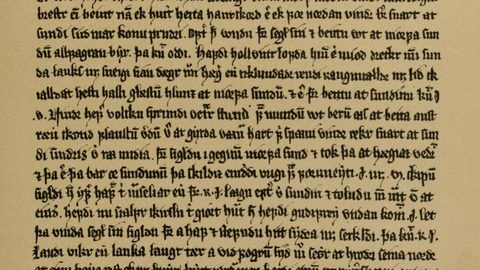 The Icelandic Alphabet: Þ, Ð, Æ, Ö and How to Read Them
Icelandic has four letters English does not, and every road sign uses them. What they sound like, how to type them, and where to go next.
The Icelandic Alphabet: Þ, Ð, Æ, Ö and How to Read Them
Icelandic has four letters English does not, and every road sign uses them. What they sound like, how to type them, and where to go next.
-
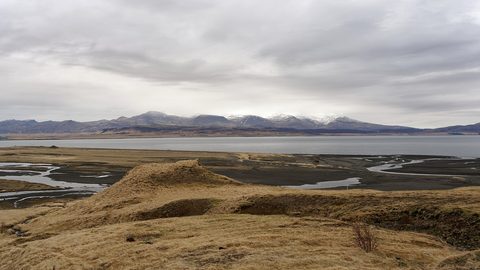 Hotel Glymur Review: A Night at the Head of Hvalfjörður
Hotel Glymur sits at the quiet head of Hvalfjörður near the Glymur trailhead. Here is what a night there is like and who the drive does not suit.
Hotel Glymur Review: A Night at the Head of Hvalfjörður
Hotel Glymur sits at the quiet head of Hvalfjörður near the Glymur trailhead. Here is what a night there is like and who the drive does not suit.