Four Seasons of Iceland Packing Lists and the Outer Layer Mistake
Season-by-season packing lists for Iceland built around the one layer people consistently get wrong: the outer shell that must stop wind before it stops cold.
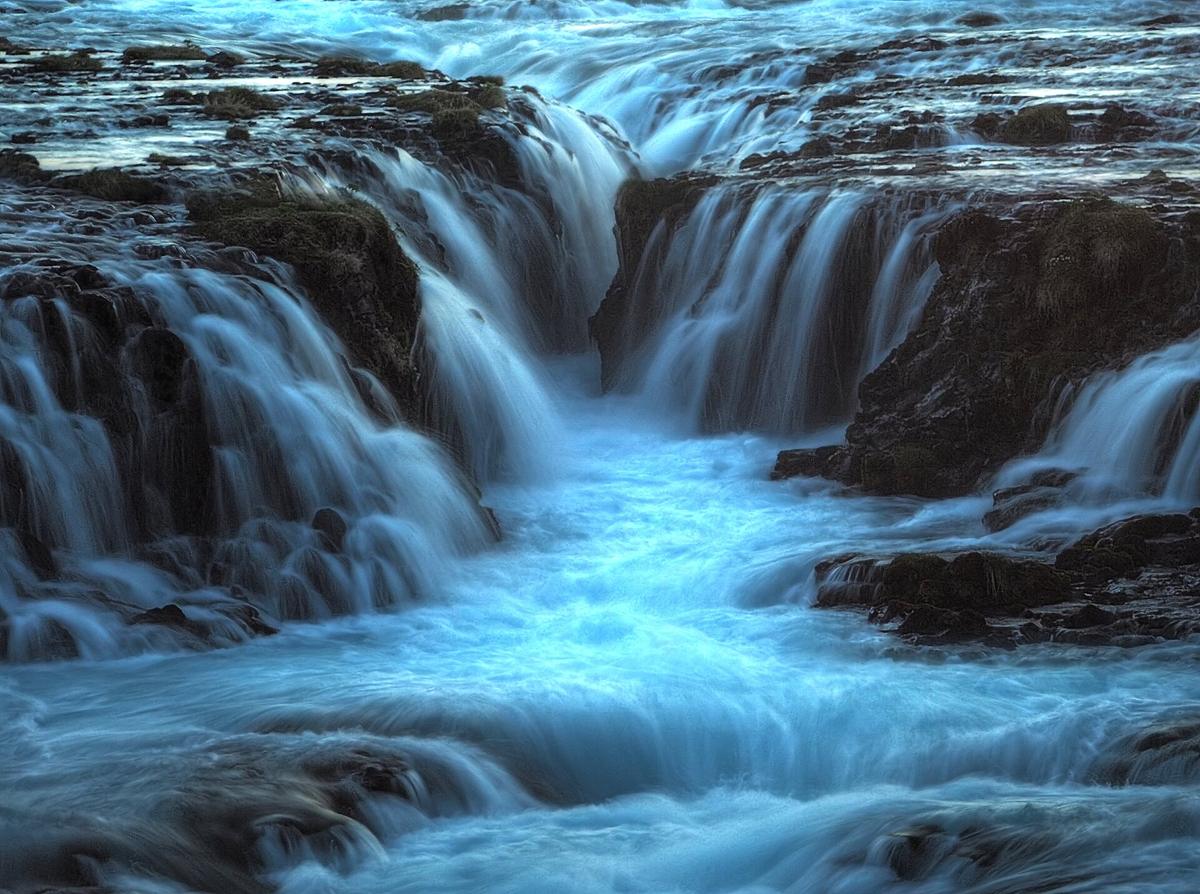

The Outer Layer Most Travellers Get Wrong
You are soaked and shivering at Reynisfjara. Your insulated winter coat is heavy with seawater spray, and that 30 m/s gust just punched through its membrane like it was tissue paper. The mistake is bringing a single insulated coat that claims to be weatherproof, then sweating through the insulation on a 15 minute walk to Gullfoss while the wind strips every degree of warmth from the outer fabric.
Iceland needs a shell, not a winter coat. A genuinely windproof and rainproof shell jacket worn over a mid-layer and a thermal base layer works in every season from June to February. The insulation you think you need for -5°C in the Highlands is a liability at 10°C on the South Coast when you are hiking uphill. Pack a shell that stops wind and rain completely, then adjust the layers underneath. That is the single rule that keeps you dry across four seasons of Icelandic weather.
Winter Packing: December to February
Daylight runs 4 to 5 hours in the capital and the temperature stays between -3°C and 3°C. In the Highlands it drops to -10°C to -5°C, and F-roads close entirely. You are on the Ring Road or in towns only.
What Goes On Your Body
Thermal base layer top and bottom. Fleece or wool mid-layer. Windproof rainproof shell jacket. Waterproof trousers. Insulated winter boots. Wool socks rated for sub-zero. Hat, gloves, scarf. Crampons or microspikes for icy paths at Gullfoss and Seljalandsfoss, where the walkways freeze by mid-December.
The One Pair Of Gloves
Buy a pair that works with a touchscreen. At Reynisfjara you need to photograph the sneaker waves while keeping your hands protected from windchill that drops below -10°C. Gloves rated for -15°C with touchscreen tips are sold at outdoor shops in the city centre. They are the only pair that survives the black sand beach without forcing you to choose between frostbite and a missed shot.
Why Jeans Fail
Jeans absorb water from wet snow and wind-driven drizzle in under 90 seconds. Once wet, cotton conducts heat away from your legs four times faster than dry wool. Waterproof trousers over thermal leggings are the replacement. Wear them every time you step out of the car, even on days that look dry in town.
Summer Packing: June to August
Midnight sun gives 21 to 24 hours of daylight. Temperatures in the city run 9°C to 15°C, and the Highlands reach 5°C to 10°C. This is the driest window, but dry is relative. Rain falls on 17 of 30 days in July.
The Same Shell, Lighter Layers
Swap the heavy thermal base layer for a light one. Keep the fleece mid-layer. The windproof rainproof shell jacket stays identical to your winter kit, because summer wind in the capital still averages 5 to 8 m/s and can hit 30 m/s on the South Coast. Waterproof trousers are mandatory for river crossings in the Highlands. Do not substitute walking trousers with a DWR coating. You need a full breathable membrane suit, Gore-Tex or equivalent. The most common regretted missing item on visitor surveys is waterproof trousers.
Footwear For The Highlands
Waterproof hiking boots with ankle support are the minimum standard across all seasons. For summer lowland trails, waterproof trail-running shoes work. For the Highlands, you need boots that can handle waist-deep river crossings. The F-208 to Landmannalaugar crosses multiple unbridged rivers, and your footwear will be submerged. Lace ankle-high boots tight, and carry a spare set of wool socks in a dry bag.
What Most People Forget
A sleep mask. Twenty four hours of daylight means your guesthouse curtains will not block the sun in June. SPF 30+ sunscreen every day, because UV reflects off glaciers, snow patches, and water. Insect repellent only if you go near Lake Mývatn between June and August, where midges swarm in the evening.
.jpg)
Spring and Autumn: the Shoulder Seasons
March to May and September to November share the same packing philosophy. Temperatures in the city range 0°C to 10°C. Daylight in spring stretches from 10 to 16 hours. In autumn it shrinks from 13 to 8 hours. Both seasons deliver the most volatile weather: sun, sleet, and 40 m/s gusts in a single hour.
Your packing list is nearly identical to winter. Thermal base layer, fleece or light down mid-layer, windproof rainproof shell, waterproof trousers, waterproof hiking boots, wool socks. Add a hat and gloves in spring and autumn both. The difference is crampons: in spring, ice lingers on paths at altitude until late May. In autumn, the first snow can arrive by late September at Kerlingarfjöll. Check vedur.is and road.is the morning of each hike. If the path shows ice, pack microspikes. If you do not have them, turn around.
Common Questions
Can I buy a waterproof shell jacket in Reykjavík instead of packing one?
Yes. Outdoor shops in the city centre sell rain jackets, thermal base layers, and hiking boots. You pay a premium of roughly 20 to 30 percent over European prices. What you cannot reliably find is microspikes or high-SPF sunscreen, so pack those.
Do I need waterproof trousers for summer day trips from Reykjavík?
Yes, for any trip that leaves the paved road. Seljalandsfoss soaks you from behind. The path to Skógafoss top is muddy after light rain. Reynoldsfara sneaker waves hit without warning. Waterproof trousers with a breathable membrane weigh 200 grams and cost less than a single ruined pair of jeans.
What shoes work for river crossings in the Highlands?
Waterproof hiking boots with ankle support that lace tight enough to keep gravel out. Do not use trail runners for F 208 crossings, where water depth reaches mid thigh. Carry a lightweight camp shoe or neoprene sock for the wet section, then switch back to dry boots on the far bank.
Is a down jacket useful in any season?
Only as a mid layer under a windproof shell in winter. Down loses all insulation value when wet. Icelandic winter rain is horizontal and persistent. A fleece or synthetic mid layer performs better because it retains warmth when damp. Leave the down parka at home unless you only stay in city cafés.
Read next
-
 Icelandic Place Names: The Word-Parts That Decode the Map
Icelandic place names are compounds that describe the place. Learn twenty word-parts and most of the map explains itself.
Icelandic Place Names: The Word-Parts That Decode the Map
Icelandic place names are compounds that describe the place. Learn twenty word-parts and most of the map explains itself.
-
 Icelandic Road Signs: The Words You Need Before You Drive
Iceland signs its hazards in Icelandic. Six words matter more than the rest, and two of them appear on the Ring Road hourly.
Icelandic Road Signs: The Words You Need Before You Drive
Iceland signs its hazards in Icelandic. Six words matter more than the rest, and two of them appear on the Ring Road hourly.
-
 Icelandic Phrases for Travellers, and When They Actually Help
Everyone in Iceland speaks English, so phrases are courtesy rather than necessity. These are the ones that land well.
Icelandic Phrases for Travellers, and When They Actually Help
Everyone in Iceland speaks English, so phrases are courtesy rather than necessity. These are the ones that land well.
-
 The Icelandic Alphabet: Þ, Ð, Æ, Ö and How to Read Them
Icelandic has four letters English does not, and every road sign uses them. What they sound like, how to type them, and where to go next.
The Icelandic Alphabet: Þ, Ð, Æ, Ö and How to Read Them
Icelandic has four letters English does not, and every road sign uses them. What they sound like, how to type them, and where to go next.