Choosing a Glacier Hike or Ice Cave Tour That Is Not a Tourist Trap
Not all Iceland ice cave tours are the real thing. Compare natural Vatnajökull caves, glacier hikes on Sólheimajökull and Skaftafell, and the man-made Langjökull tunnel.
.jpeg)
The Difference Between Real Ice and a Fake Cave
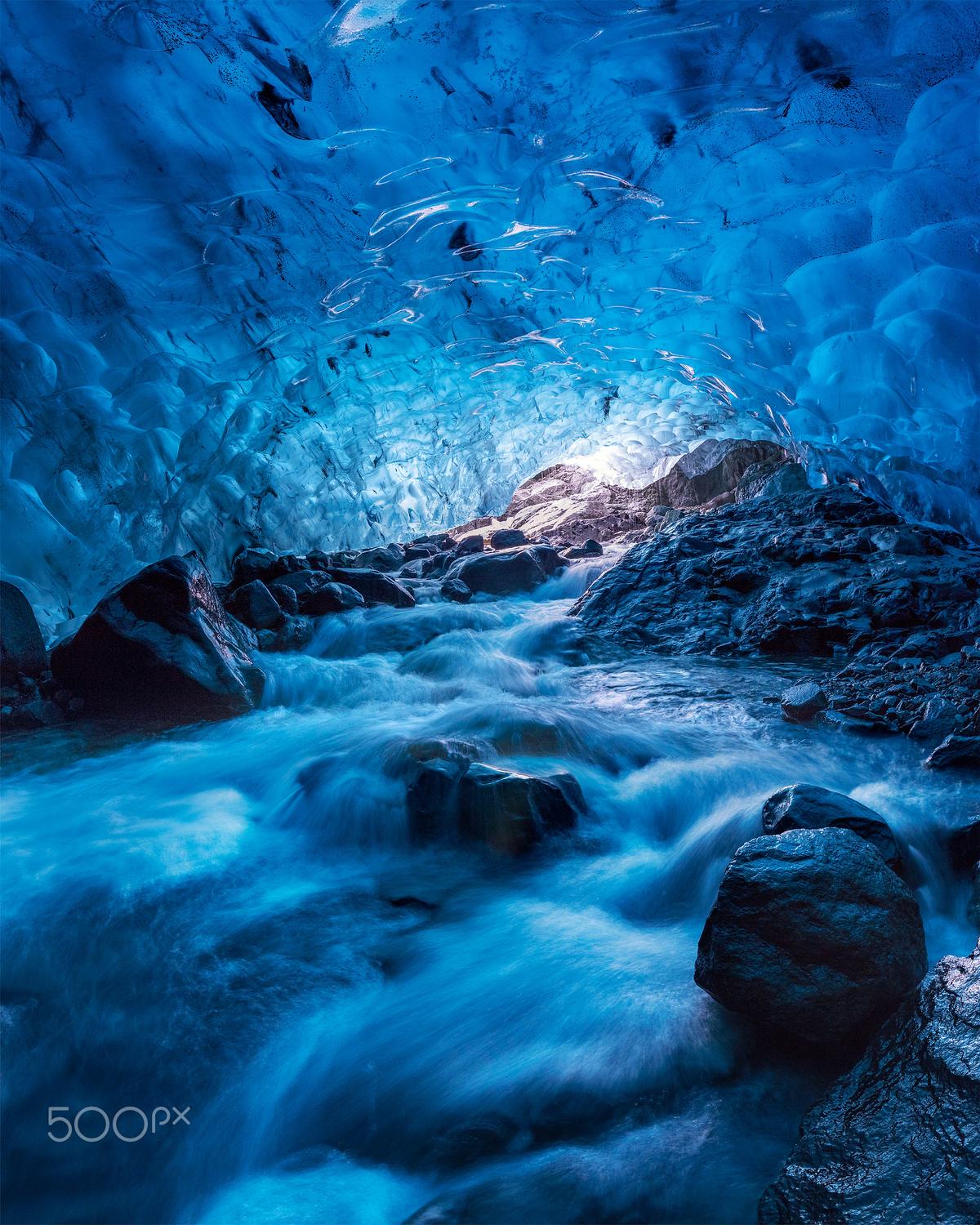
Most ice cave tours sold in Iceland are real. A small number are not. The year round man made tunnel inside Langjökull is an excavated, reinforced passage wide enough for a bus. It is safe, dry, and predictable. The natural ice caves inside Vatnajökull and Mýrdalsjökull are transient cavities formed by meltwater. They are structurally unstable by definition. They are reachable only in certain months, and only on foot after a hike across glacial ice. Both are legitimate experiences. They are not the same product, and you should not book one thinking it equals the other.
A natural ice cave forms inside or at the edge of a glacier. It may collapse tomorrow. It will not be there next year. The operator cannot guarantee the same cave twice. That is the point. The blue is different. The light is different. The price reflects the risk and the season. A man made tunnel is the same every visit. It is open year round. It is lit. It is a spectacle of engineering, not a geological encounter. Choose based on which of those you actually want.
Natural Ice Cave Tours: Winter Only, Vatnajökull and Katla
The natural ice cave season runs November through March. During those months, tour operators run trips from the Vatnajökull glacier, specifically the Breiðamerkurjökull outlet area near Jökulsárlón. Tours last 2 to 4 hours and cost between 15,000 and 30,000 ISK per person. That price includes a guide, crampons, a helmet, transport from the meeting point to the glacier edge, and the walk onto the ice. The group will be small. The waiting list for the hour after sunrise is long. Book three to six weeks ahead if you want a morning slot in good light.
Katla: The Year Round Exception
Katla ice cave is different. It sits under Kötlujökull, an outlet of Mýrdalsjökull, and it stays open year round because the geothermal heat from the Katla volcano beneath keeps the ice active enough to maintain cavities even in summer. Departures leave from Vík í Mýrdal. Duration is 2 to 4 hours. Price runs 15,000 to 25,000 ISK. The downside is that summer ice caves often have more debris, darker blue, and less dramatic light than winter ones. If your only goal is a photograph of pure blue with no rock, go in winter.
Read the Fine Print Before You Book
Do not book a tour that promises a natural ice cave in June or July on Vatnajökull. The ice is too thick and the surface too stable. Any operator offering that is running something else or is lying. Verify the glacier name in the description. If it says Langjökull, you are in the tunnel. If it says Vatnajökull and the date is July, read again.
Glacier Hikes: Sólheimajökull, Skaftafell and Vatnajökull Outlets
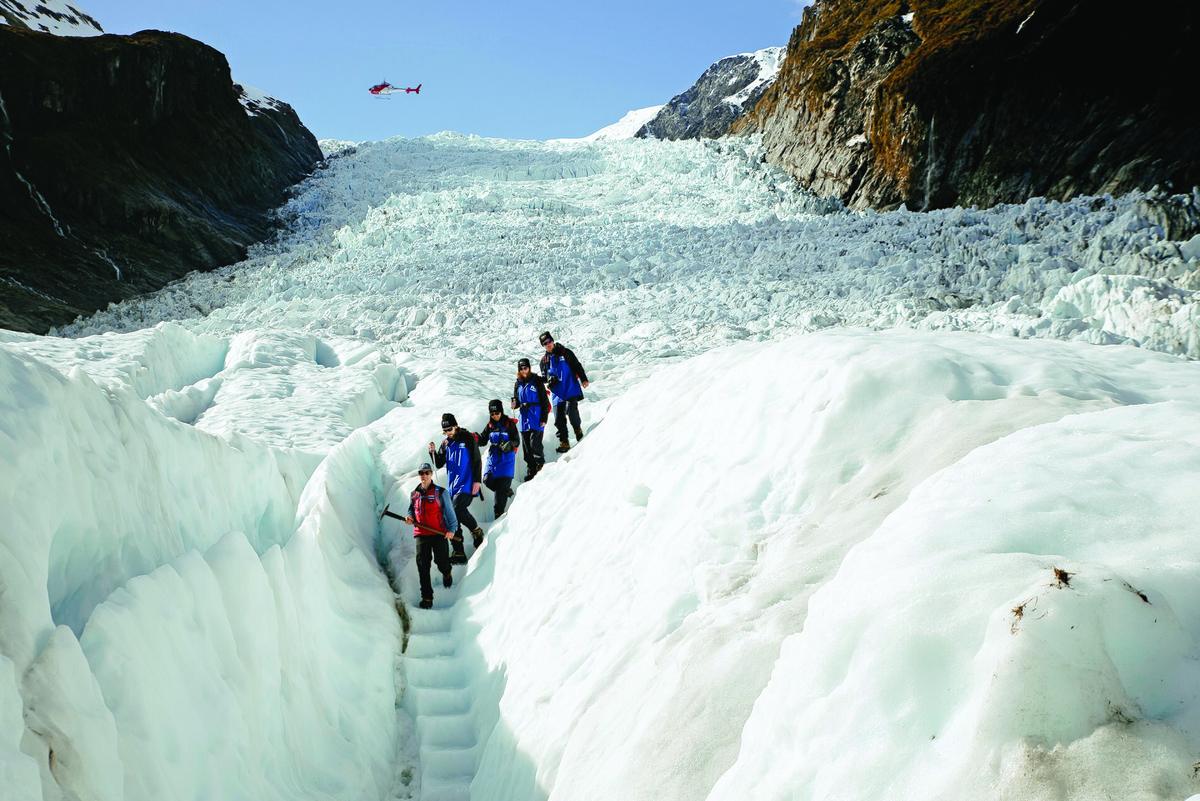
Glacier hiking in Iceland splits into three main departure points. Sólheimajökull is the most accessible, the most crowded, and the cheapest. Half day tours run 2.5 to 4 hours and cost 9,000 to 15,000 ISK. The walk from the car park to the ice is under ten minutes. You share the glacier with multiple groups. The ice is blackened with volcanic ash near the terminus. Above that, it clears. This is the right choice if you want to see a glacier on a tight schedule or a tight budget. The downside is crowding and short time on the ice.
Skaftafell: Worth the Longer Walk
Skaftafell, inside Vatnajökull National Park, requires a longer approach. Tours run 3 to 5 hours and cost 10,000 to 17,000 ISK. You walk 30 to 45 minutes from the visitor centre before you reach the ice. The routes go higher and the ice is cleaner. Fewer groups operate here. The terrain is more varied, with deeper crevasses and more dramatic seracs. This is the better choice if you have a full day for the south coast and want quieter conditions.
Remote Outlets for the Biggest Ice
Vatnajökull outlet hikes, departing from various points along the south east edge, run 4 to 6 hours and cost 13,000 to 25,000 ISK. These are the most remote. You drive further. You walk further. You see the biggest ice formations. The downside is that these tours depend heavily on weather and can be cancelled at short notice. If your itinerary is tight, Skaftafell is safer. If you have flexibility and want the biggest scale, go for a Vatnajökull outlet.
Gear Provided, What You Must Bring, and Why You Never Go Alone
Provided by Every Operator
Every guided tour gives you crampons, an ice axe, and a helmet. Some tours include a harness. Check the booking confirmation. If crampons are not listed, cancel. No crampons means you are not walking on real glacial ice. You are walking on moraine near the edge.
What You Bring
- Thermal base layer, wool or synthetic. No cotton. Cotton kills on a glacier.
- Fleece or wool mid layer.
- Waterproof and windproof outer shell jacket and trousers. Not a raincoat. A shell that seals at the wrists and waist.
- Waterproof hiking boots with ankle support and a stiff sole. Flexible trainers will not hold crampons and will leave you cold.
- Hat, gloves or mittens, buff or scarf. The wind on the ice is not the wind at the car park.
Why Unguided Glacier Travel Is Lethal
Hidden crevasses concealed by snow bridges. Ice collapse or cave in. Rapidly changing weather and whiteout conditions. Falling ice or rock from unstable formations. These are the four causes of death on Icelandic glaciers. Every year, someone walks onto the ice without a guide and does not walk off. Crampons and an ice axe do not make you safe. A guide who reads the surface, carries rescue gear, and knows the route makes you safe. You are not the exception.

| Tour Type | Location | Season | Duration | Price Range (ISK) |
|---|---|---|---|---|
| Glacier Hike | Sólheimajökull | Year round | 2.5 4 hours | 9,000 15,000 |
| Glacier Hike | Skaftafell | Year round | 3 5 hours | 10,000 17,000 |
| Glacier Hike | Vatnajökull outlet | Year round | 4 6 hours | 13,000 25,000 |
| Natural Ice Cave | Vatnajökull (Breiðamerkurjökull) | Nov Mar | 2 4 hours | 15,000 30,000 |
| Katla Ice Cave | Kötlujökull (Mýrdalsjökull) | Year round | 2 4 hours | 15,000 25,000 |
| Man Made Tunnel | Langjökull | Year round | Varies | Varies |
Common Questions
What is the difference between a natural ice cave and the man made Langjökull tunnel?
A natural ice cave is a transient cavity formed by meltwater or geothermal heat, accessible only in winter on foot. The Langjökull tunnel is an excavated, reinforced passage open year round and accessible by vehicle.
Can I do a glacier hike and an ice cave tour on the same day?
Yes, if you book both near Vatnajökull in winter. Allow 8 to 10 hours total including travel and gear changes. Do not try this from Reykjavík. Base yourself near the south coast or Höfn.
What is the minimum age for glacier hiking and ice cave tours?
Standard glacier hikes require a minimum age of 8. Ice cave tours, including Katla, require a minimum age of 6. Operators enforce this strictly. Verify with your specific provider before booking.
Which glacier hike is best for someone who has never been on a glacier?
Sólheimajökull. It is short, cheap, and the approach is easy. The tradeoff is crowding and darker ice. If you have time and want better conditions, choose Skaftafell for a longer but quieter experience.
Read next
-
 Icelandic Place Names: The Word-Parts That Decode the Map
Icelandic place names are compounds that describe the place. Learn twenty word-parts and most of the map explains itself.
Icelandic Place Names: The Word-Parts That Decode the Map
Icelandic place names are compounds that describe the place. Learn twenty word-parts and most of the map explains itself.
-
 Icelandic Road Signs: The Words You Need Before You Drive
Iceland signs its hazards in Icelandic. Six words matter more than the rest, and two of them appear on the Ring Road hourly.
Icelandic Road Signs: The Words You Need Before You Drive
Iceland signs its hazards in Icelandic. Six words matter more than the rest, and two of them appear on the Ring Road hourly.
-
 Icelandic Phrases for Travellers, and When They Actually Help
Everyone in Iceland speaks English, so phrases are courtesy rather than necessity. These are the ones that land well.
Icelandic Phrases for Travellers, and When They Actually Help
Everyone in Iceland speaks English, so phrases are courtesy rather than necessity. These are the ones that land well.
-
 The Icelandic Alphabet: Þ, Ð, Æ, Ö and How to Read Them
Icelandic has four letters English does not, and every road sign uses them. What they sound like, how to type them, and where to go next.
The Icelandic Alphabet: Þ, Ð, Æ, Ö and How to Read Them
Icelandic has four letters English does not, and every road sign uses them. What they sound like, how to type them, and where to go next.