Every Type of Geothermal Soak in Iceland and What to Expect at Each
Iceland's geothermal waters fall into three distinct categories: municipal pools, commercial lagoons, and wild springs. Here is what each costs, how each works, and which fits your trip.

The Geothermal Soak You Think You Want is Probably the Wrong One
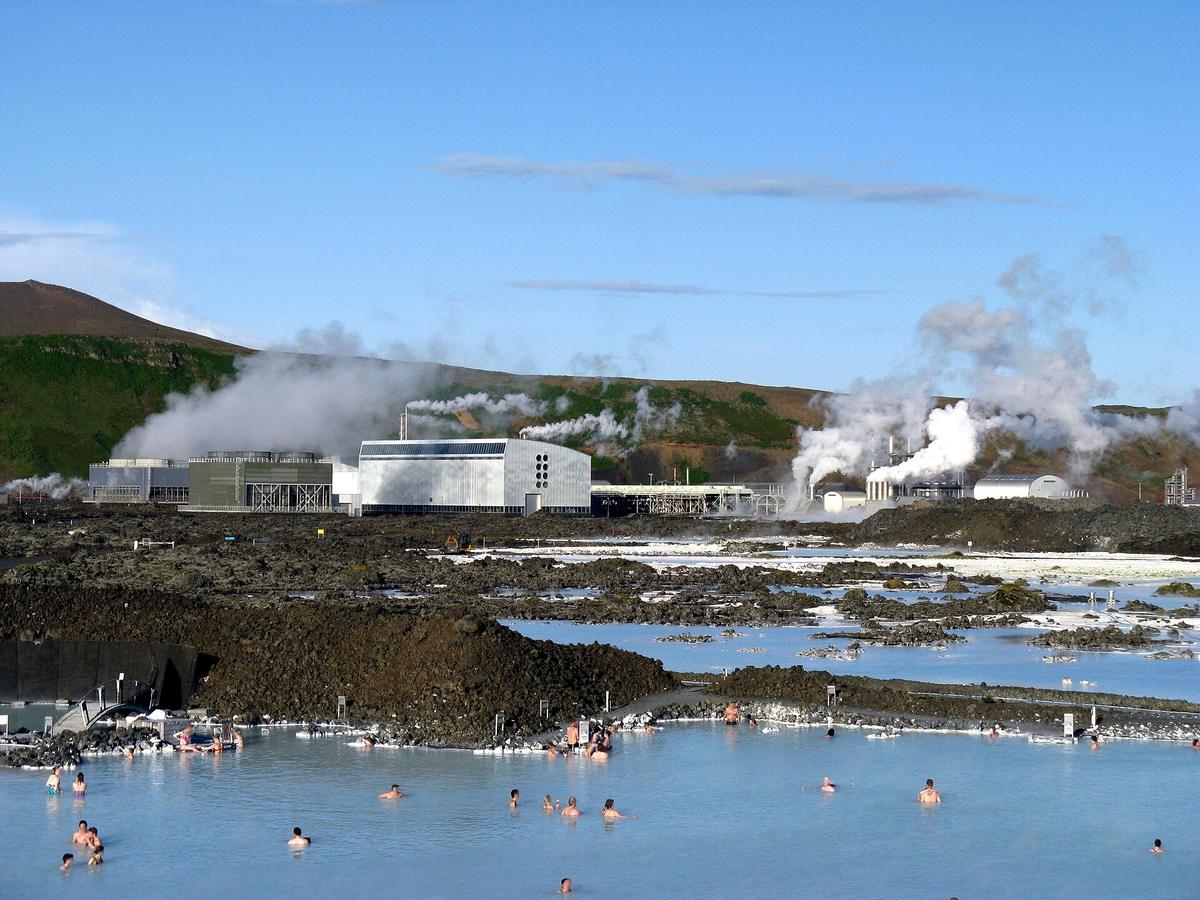
Most visitors land in Iceland picturing the Blue Lagoon. That milky, blue water against black lava seems to define the country. But that image is a luxury product, not the national habit. What Icelanders actually do, daily and across every income level, is visit their neighbourhood municipal pool. The lagoon you booked three months ago is a spa. The pool you can walk into right now, any afternoon, without a reservation, is the real thing.
Every geothermal soak in Iceland falls into three tiers: municipal pools, commercial lagoons, and wild hot springs. You need to know which you are paying for, what the social rules demand, and which traveller each one suits. By the end you will know exactly where to go and what to do when you get there.
Tier One: Municipal Pools. the Daily Ritual You Should Join
Municipal pools are scattered across every region of Iceland, heated by geothermal water and run by local councils. They are not scenic. They are not marketed. They are where Icelanders go after work, before breakfast, and on rainy Sundays with their kids. They are the single most authentic soak experience you can have.
At Laugardalslaug in Reykjavík, or Sundhöllin near the harbour, or the Akureyri pool up north, you pay between ISK 1,200 and ISK 1,330 for an adult entry. In rural areas, a swim can cost as little as ISK 500. The Reykjavík City Card costs ISK 4,700 for 24 hours and includes all municipal pools in the capital plus museums and bus travel. If you are in Reykjavík for two days, buy that card.
The Shower Rule Everyone Gets Wrong
Before you enter the pool, you must shower naked with soap. No swimsuit. No turning your back. The showers are open plan, sometimes with partitions, and an attendant or a sign enforces the rule. Non-compliance means denied entry. This is not a suggestion. It is health code, enforced for sanitation because every pool recycles the same geothermal water. You will see locals chatting while scrubbing. Do the same. It takes 90 seconds and ends the awkwardness.
What You Find Once You Are In
Municipal pools have multiple outdoor pools at 28-44 °C, hot pots at 38-44 °C, and a cold pot at 5-10 °C. The pattern is always the same: swim laps, sit in the hot pot and talk to strangers, plunge into the cold pot, repeat. These are social spaces. People discuss politics, gossip, and road conditions. You are welcome to join the conversation or just sit in silence. No one pressures you either way.
The crowd is local, mixed age, and moderate. Weekday afternoons are quiet. Evenings after 17:00 fill with families and swimmers. Weekend mornings are busy with lap swimmers. There is no towel rental at most pools, no robe, no towel service. Bring your own or you will drip back to your car.
Who this suits: budget travellers who want to see how Icelanders live, solo travellers who want a low-stakes social moment, anyone tired of tourist pricing. Who should skip: people uncomfortable with nudity in changing rooms, anyone who wants a view or a photo backdrop, travellers who prefer private changing cubicles.
Tier Two: Commercial Lagoons. Designed for You, Priced Accordingly
The commercial lagoon is Iceland's most exported image. The Blue Lagoon, Sky Lagoon, Mývatn Nature Baths, Secret Lagoon, Vök Baths, and Hvammsvík Hot Springs are all built to receive visitors. They are clean, predictable, and expensive. You go for the setting and the service, not the local atmosphere.
The Blue Lagoon Comfort package costs ISK 12,990. The Premium package costs ISK 16,490. The Retreat Spa, four hours of private facilities, costs ISK 89,000. Sky Lagoon's Pure Lite pass is ISK 7,990, while the Pure pass with the seven-step ritual runs ISK 9,990. Mývatn Nature Baths charge ISK 6,990. Secret Lagoon is the cheapest at ISK 3,600. Vök Baths ask ISK 7,490. Hvammsvík, where ocean pools shift temperature with the tide between 32 and 40 °C, costs ISK 7,990.
What You Pay For Beyond The Water
You pay for towels, robes, lockers, showers with private cubicles, and the entire changing experience being Western-style private. You pay for a guaranteed time slot, a drained-and-refilled schedule, and staff who handle everything. At Sky Lagoon the ritual involves a cold plunge, a sauna, a cold mist, and a body scrub, all included in the Pure pass. At Blue Lagoon you get a silica mud mask and a drink. At Mývatn you get a view across lava fields toward the lake, with nothing but low hills breaking the horizon.
The shower rule applies here too. Naked shower with soap before entry. But these lagoons provide private shower stalls with doors, so the experience feels less confronting. The rule itself is the same nationwide.
Crowds And Timing
Blue Lagoon handles roughly 1 million visitors a year. That is a crowd. Book the first slot at 08:00 or the last at 20:00 to minimise it. Sky Lagoon, closer to Reykjavík's centre, is smaller but also busy. Mývatn Nature Baths in the north are less crowded, but June through August still sees queues. Secret Lagoon, near Flúðir on the Golden Circle, is the smallest commercial option and feels closest to a municipal pool, just with a towel included. Hvammsvík, a 45-minute drive from Reykjavík, is the most recent addition and still avoids the worst crowds.
Who this suits: first-time visitors who want the photo, couples on a treat, travellers who value convenience and towel service over authenticity. Who should skip: anyone on a tight budget, anyone who dislikes timed entry slots, experienced Iceland travellers who have already done one lagoon.
Tier Three: Wild Hot Springs. for the Self-Sufficient Only
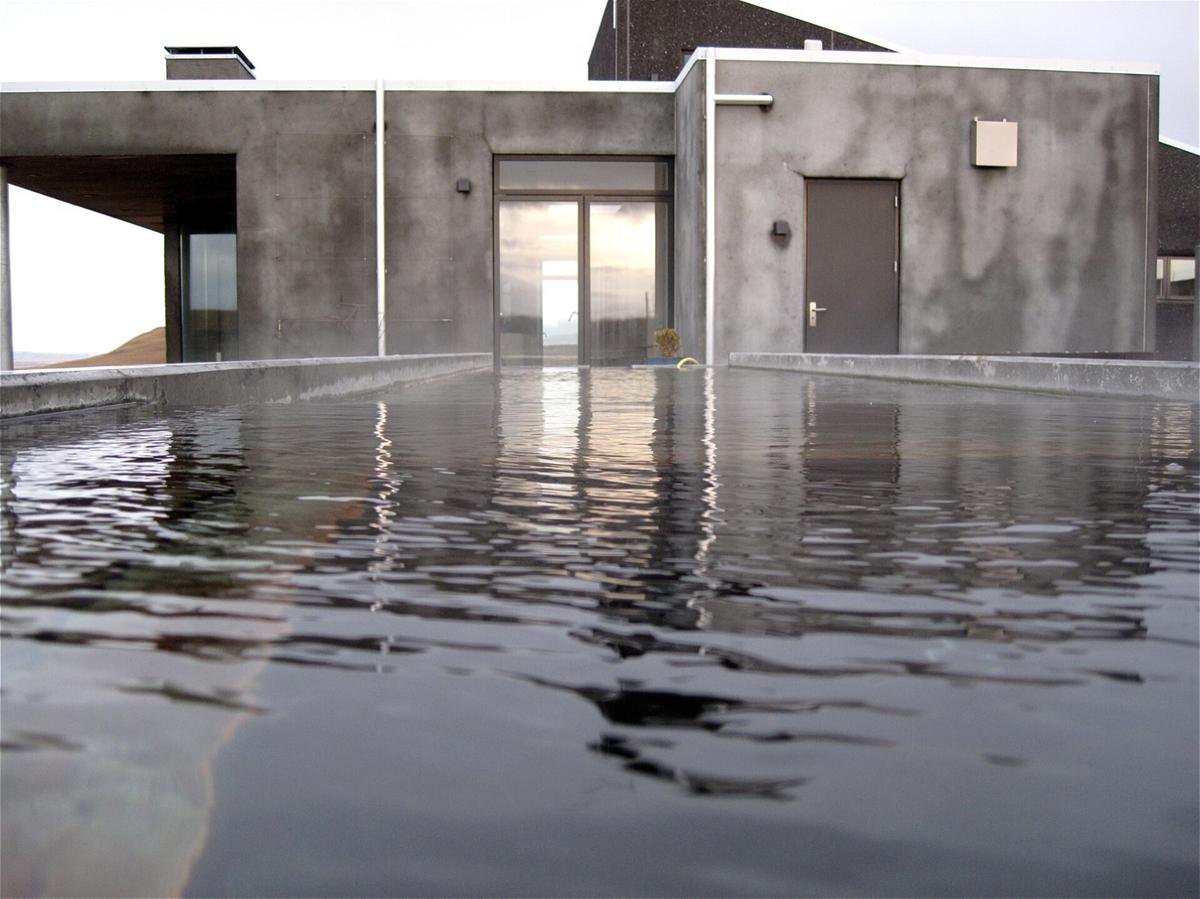
Wild springs are not developed. No changing rooms, no showers, no staff, no guarantee the water is a safe temperature. They are marked by a pullout on a gravel road or a hike through a valley. You carry everything in and carry everything out. The reward is solitude, silence, and the raw geothermal landscape Iceland promises but rarely delivers through a tour bus window.
The most accessible wild soak is Reykjadalur, a 3.5 km hike with 200 metres of elevation gain from the parking area near Hveragerði. You walk through steaming vents and a river that hits 100 °C at some vent points, then settles to 36-40 °C where people bathe. There are no facilities. You change behind rocks. The crowd is moderate in summer, heavy on weekends. Arrive before 09:00 to avoid the procession.
Landmannalaugar, in the highlands, requires a 4x4 and a river crossing on F-208. The natural hot pool sits beside a mountain hut that sells snacks and offers toilets. The water is about 36-40 °C. You are surrounded by rhyolite peaks in orange, green, and purple. This is worth the drive only if you already plan to spend a day in the highlands. It is not a quick detour.
The Westfjords And The Hidden Pools
Landbrotalaug is a tiny pool on private land in the Snæfellsnes Peninsula. It holds two or three people. The water runs 36-40 °C. Access is revocable if visitors misbehave. Pack out every single thing. No glass. No soap. Test the water with your hand before full entry. Water above 42 °C is unsafe; above 44 °C, scalding begins.
Seljavallalaug, near the South Coast, is an old concrete pool set into a hillside. It holds roughly 25 people. The water varies between 20 and 35 °C depending on the season. The hike from parking is 0.8 km. This pool is volunteer-cleaned once a year. Expect a greenish film on the surface. It is atmospheric but cold. Arrive in afternoon sun for the best chance of tolerable warmth.
The Rules That Keep These Open
No soap in the water. No glass containers. Pack out every piece of rubbish. Do not approach vent areas where water bubbles at source temperature. These are not monitored. If one group leaves rubbish or damages the site, the landowner closes access. That has happened before. Do not be the reason it happens again.
Who this suits: self-sufficient travellers with a rental car, photographers, hikers, people comfortable changing outdoors. Who should skip: anyone without a towel and change of clothes in a dry bag, anyone who wants guaranteed warm water, anyone who cannot hike 3.5 km uphill.
.jpg)
| Feature | Municipal Pool | Commercial Lagoon | Wild Spring |
|---|---|---|---|
| Entry Cost | ISK 500 - 1,330 | ISK 3,600 - 12,990 | Free |
| Towel Provided | No | Yes | No |
| Shower Rule | Naked with soap, open plan | Naked with soap, private stalls | No shower, no facilities |
| Reservation Needed | No | Yes, often weeks ahead | No |
| Crowd Level | Moderate, mostly local | Heavy to very heavy | Light to moderate |
| Water Temperature | 28 - 44 °C | 36 - 40 °C | 20 - 40 °C (varies) |
| Best For | Daily life with Icelanders | Photography and comfort | Solitude and landscape |
Common Questions
Do I really have to shower naked in front of everyone?
Yes. The law requires full-body naked washing with soap before entering any public pool or lagoon in Iceland. Attendants enforce it. Municipal pools often have open showers. Commercial lagoons provide private stalls. No exceptions.
Which lagoon should I skip if I only have time for one?
Skip the Blue Lagoon if you want a quiet soak and a lower price. Book Sky Lagoon instead, it costs less, is closer to Reykjavík, and has the seven-step ritual that feels more intentional. Blue Lagoon is famous but overcrowded.
Can I combine a wild spring and a municipal pool in one day?
Yes. Hike Reykjadalur in the morning, then drive 20 minutes to Hveragerði's municipal pool for a proper hot pot and a shower. You will have the landscape soak and the clean comfort of a pool in one day.
Is any wild spring safe to visit in winter?
Reykjadalur remains accessible in winter if the road is clear, but the hike becomes icy and dark. Daylight drops to 4-5 hours from late December to January. Landmannalaugar and the Westfjords springs close with the highland roads. Only attempt wild springs from June to September.
Read next
-
 Icelandic Place Names: The Word-Parts That Decode the Map
Icelandic place names are compounds that describe the place. Learn twenty word-parts and most of the map explains itself.
Icelandic Place Names: The Word-Parts That Decode the Map
Icelandic place names are compounds that describe the place. Learn twenty word-parts and most of the map explains itself.
-
 Icelandic Road Signs: The Words You Need Before You Drive
Iceland signs its hazards in Icelandic. Six words matter more than the rest, and two of them appear on the Ring Road hourly.
Icelandic Road Signs: The Words You Need Before You Drive
Iceland signs its hazards in Icelandic. Six words matter more than the rest, and two of them appear on the Ring Road hourly.
-
 Icelandic Phrases for Travellers, and When They Actually Help
Everyone in Iceland speaks English, so phrases are courtesy rather than necessity. These are the ones that land well.
Icelandic Phrases for Travellers, and When They Actually Help
Everyone in Iceland speaks English, so phrases are courtesy rather than necessity. These are the ones that land well.
-
 The Icelandic Alphabet: Þ, Ð, Æ, Ö and How to Read Them
Icelandic has four letters English does not, and every road sign uses them. What they sound like, how to type them, and where to go next.
The Icelandic Alphabet: Þ, Ð, Æ, Ö and How to Read Them
Icelandic has four letters English does not, and every road sign uses them. What they sound like, how to type them, and where to go next.