Staying Safe in Iceland: Sneaker Waves, Wind, and the Hazards That Catch People
Iceland's dangers are specific and well-documented: Reynisfjara sneaker waves, wind that flips vehicles, unguided glacier falls, and geothermal burns. Here is what actually hurts visitors.
Staying Safe in Iceland: Sneaker Waves, Wind, and the Hazards That Catch People
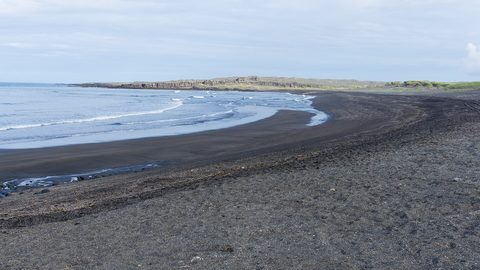
At Reynisfjara, a woman turns her back to the ocean to adjust her camera. The next wave drags her 60 metres up the black sand and out to sea. She is one of five visitors killed by sneaker waves at this single beach between 2013 and 2022.
Iceland is raw. The margin for error is zero. The hazards that injure visitors are not polar bears or volcanoes. They are sneaker waves, wind, unguided glacier travel, geothermal burns, and underestimating the weather. Iceland’s documented risks rank them by frequency and severity. The pattern of fatalities reveals exactly what behaviour kills people.
.jpg)
Reynisfjara Sneaker Waves: the Deadliest Single Location
The Wave That Reaches 60 Metres
A sneaker wave at Reynisfjara can reach up to 60 metres beyond the normal wet sand line. No fixed safe distance exists. The reach varies with tide and swell. The beach installed a light-activated warning system in 2018 with yellow and red stages. Waves kill regardless.
Never turn your back to the ocean. Stand on dry sand above the high-tide mark. Watch the water continuously. If a wave breaks higher than the ones before it, move uphill immediately. The 112 Iceland app sends GPS coordinates to emergency services with one button. At Reynisfjara you have seconds, not minutes.
Five deaths at one location is not bad luck. It is a pattern of visitors who treat a black sand beach like a normal beach.
Wind-Related Car Accidents: the Second Leading Cause of Death
Why Wind Kills Drivers
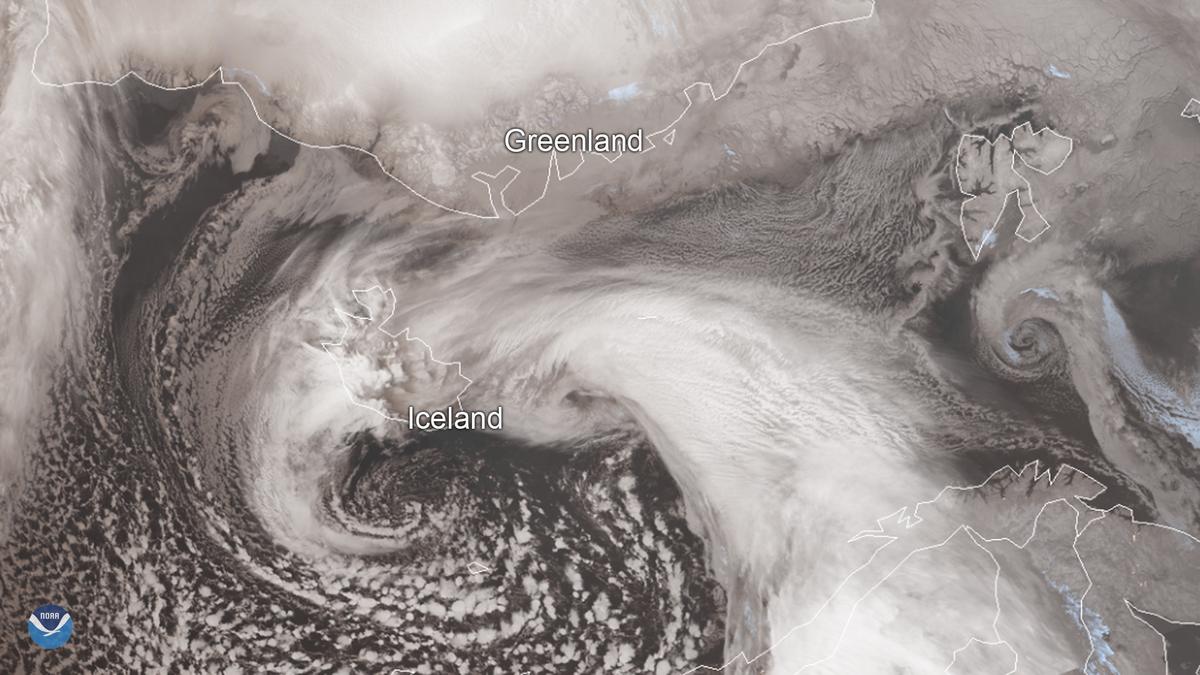
Traffic accidents are the second leading cause of tourist fatalities in Iceland. Wind is the primary culprit. Gusts of 40 m/s (144 km/h) can rip a car door off its hinges. The lowland wind speed record is 62.5 m/s (225 km/h), recorded at Keflavik in 2013.
An orange weather warning means mean wind of 25 m/s or gusts of 35 m/s. At this threshold, road closures are likely and authorities advise against travel. Do not drive through an orange warning. Pull over at the nearest town and wait it out. Sleep in the car if you have to.
Parking and Fuel Discipline
Park facing into the wind. That stops the door getting torn off when you open it. Never let the fuel tank drop below half. Petrol stations outside towns close early or are unmanned. Google Maps will not reliably find an open pump.
Unglacier Falls and River Crossings: the Risks You Cannot See
Glacier Travel Is Not a Hike
At Solheimajokull, five visitors died from crevasse falls between 2010 and 2023. Glacier travel without a guide is illegal unless you hold independent certification in mountaineering and crevasse rescue. Guided tours are mandatory for everyone else. No exceptions.
River Crossings on F-Roads
River crossings on F-roads have killed at least eight people between 2010 and 2023. Standard rental insurance does not cover water damage. The maximum fording depth for a standard 4x4 rental is 50 centimetres. That figure varies by vehicle model. If the crossing looks deeper than the bottom of the door frame, turn around. Do not follow Google Maps onto an F-road. Only 4x4 vehicles are legal and insured on them. The season runs from mid-June to mid-September.
.png)
| Cause of Death | Rank by Frequency |
|---|---|
| Drowning (sneaker waves, river crossings, coastal accidents) | 1st |
| Traffic accidents (wind-related crashes, loss of control) | 2nd |
| Falls from height (cliffs, canyons, ice) | 3rd |
Geothermal Burns and Weather Exposure: the Silent Hazards
Boiling Ground Under a Thin Crust
At Hverir geothermal area, the ground surface temperature is 80 to 100 degrees Celsius. The crust over boiling mud can be as thin as a few centimetres. Multiple burn incidents have occurred at Hrunalaug, Grjotagja, and Reykjadalur between 2015 and 2023. Stay on marked paths. Do not touch the water at unmarked hot springs. Test the temperature with your hand before entering any pool that lacks an official sign.
Weather Kills by Attrition
Iceland delivers four seasons in an hour. The most common rescue callout from 2019 to 2023 was a stuck vehicle on a mountain road or F-road. The second most common: a hiker lost or overdue. The third: an injury on a hiking trail. Use vedur.is and road.is together for real conditions. The 4G signal covers the Ring Road and most towns. It vanishes in the highlands and Westfjords. Download offline maps before you leave Reykjavik.
Rescue Is Free, but Not Instant
ICE-SAR rescues are free of charge. The average response time is 30 to 90 minutes, depending on location and weather. The Coast Guard helicopter is based at Reykjavik Airport and cannot fly in every condition. Register your trip on SafeTravel.is. It is a voluntary check-in system that triggers a search if you do not check out. It costs nothing. It takes two minutes.
Common Questions
What is the deadliest hazard for tourists in Iceland?
Drowning, caused by sneaker waves at Reynisfjara, river crossings on F-roads, and coastal accidents. It is the leading cause of tourist fatalities from 2018 to 2023.
How far inland do sneaker waves reach at Reynisfjara?
Up to 60 metres beyond the normal wet sand line. There is no fixed safe distance, as the reach varies with tide and swell.
What wind speed triggers an orange weather warning in Iceland?
Mean wind of 25 m/s or gusts of 35 m/s. At this threshold, road closures are likely and travel is discouraged by authorities.
Can I drive on an F-road without a 4x4 vehicle?
No. F-road travel requires a 4x4 vehicle by law. Standard rental insurance does not cover water damage from river crossings.
How deep can a standard 4x4 rental ford in an Icelandic river?
50 centimetres maximum, but the safe depth varies by vehicle model. If the crossing looks deeper than the bottom of the door frame, turn around.
What is the ground temperature at Hverir geothermal area?
80 to 100 degrees Celsius. The crust over boiling mud can be only a few centimetres thick.
Does it cost anything to be rescued by ICE-SAR?
No. ICE-SAR rescue is free of charge for the rescued person. The average response time is 30 to 90 minutes.
Read next
-
 Iceland Accommodation Types from Farm Stays to Hostels
A hotel in rural Iceland rarely means what it means elsewhere. The real differences between guesthouses, farm stays, hostels and campsites before you book.
Iceland Accommodation Types from Farm Stays to Hostels
A hotel in rural Iceland rarely means what it means elsewhere. The real differences between guesthouses, farm stays, hostels and campsites before you book.
-
 Where to Stay in Iceland for a Ring Road Road Trip
On an Iceland lap, the road decides where you sleep. Which bases break the Ring Road into sensible chunks, and where inventory runs dangerously low in July.
Where to Stay in Iceland for a Ring Road Road Trip
On an Iceland lap, the road decides where you sleep. Which bases break the Ring Road into sensible chunks, and where inventory runs dangerously low in July.
-
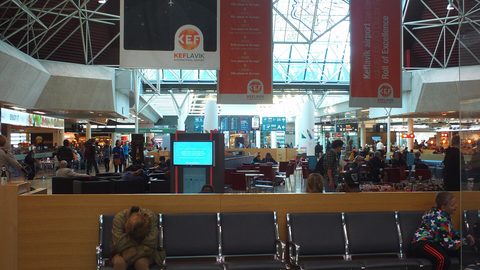 Keflavik Airport Flights Transfers and Iceland Domestic Routes
Keflavík to Reykjavík has no train. Flybus, taxi costs, rental car pickup, and when a domestic flight from Reykjavík City Airport saves a day of driving.
Keflavik Airport Flights Transfers and Iceland Domestic Routes
Keflavík to Reykjavík has no train. Flybus, taxi costs, rental car pickup, and when a domestic flight from Reykjavík City Airport saves a day of driving.
-
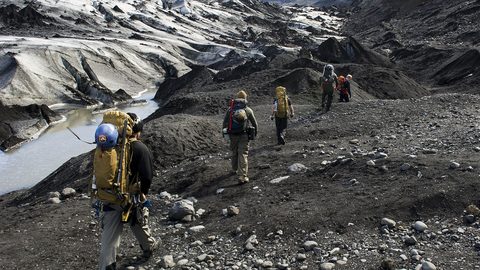 Iceland Experiences Worth Booking and Those That Depend on Weather
Some Iceland experiences vanish if you don't book weeks ahead. Silfra, ice caves, and Landmannalaugar huts sell out. Waterfalls and beaches just need you to show up.
Iceland Experiences Worth Booking and Those That Depend on Weather
Some Iceland experiences vanish if you don't book weeks ahead. Silfra, ice caves, and Landmannalaugar huts sell out. Waterfalls and beaches just need you to show up.
-
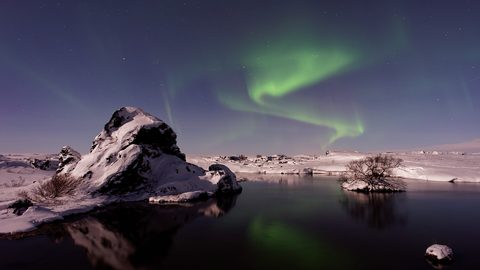 Best Time to Visit Iceland Month by Month With Daylight Hours
Iceland changes radically by month. This calendar covers daylight hours, road openings, puffin season, northern lights windows, and the two summer weekends that book out nationwide.
Best Time to Visit Iceland Month by Month With Daylight Hours
Iceland changes radically by month. This calendar covers daylight hours, road openings, puffin season, northern lights windows, and the two summer weekends that book out nationwide.
-
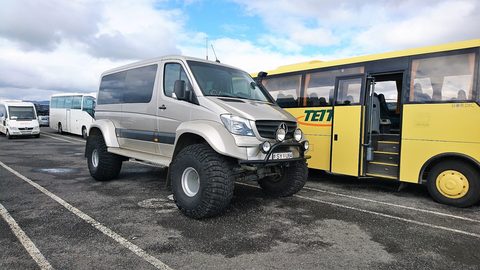 Getting Around Iceland by Car F-Roads Wind and Road.is
Driving Iceland means understanding F-road legality, reading road.is, and respecting wind that can rip a door off its hinges. This guide covers what rental agencies won't tell you.
Getting Around Iceland by Car F-Roads Wind and Road.is
Driving Iceland means understanding F-road legality, reading road.is, and respecting wind that can rip a door off its hinges. This guide covers what rental agencies won't tell you.
-
 South Iceland
How to drive Iceland's South Coast from Seljalandsfoss to Skaftafell, with honest timings, parking logistics, and the stops worth pulling over for.
South Iceland
How to drive Iceland's South Coast from Seljalandsfoss to Skaftafell, with honest timings, parking logistics, and the stops worth pulling over for.
-
 Capital Region
How to spend your arrival and departure days in Reykjavík, from the Miðborg walking loop to Vesturbær's local pools and the domestic airport at RKV.
Capital Region
How to spend your arrival and departure days in Reykjavík, from the Miðborg walking loop to Vesturbær's local pools and the domestic airport at RKV.
-
 East Iceland
How to drive Iceland's Eastfjords from Höfn to Egilsstaðir, with stops at Vestrahorn, Stuðlagil Canyon, and the puffin colony at Borgarfjörður Eystri.
East Iceland
How to drive Iceland's Eastfjords from Höfn to Egilsstaðir, with stops at Vestrahorn, Stuðlagil Canyon, and the puffin colony at Borgarfjörður Eystri.