Deciding Whether the Blue Lagoon Is Worth the Price Compared to Iceland's Other Hot Springs
Is the Blue Lagoon worth ISK 10,000+ when Sky Lagoon, Secret Lagoon, and Mývatn Nature Baths cost far less? Compare the real trade-offs before booking.
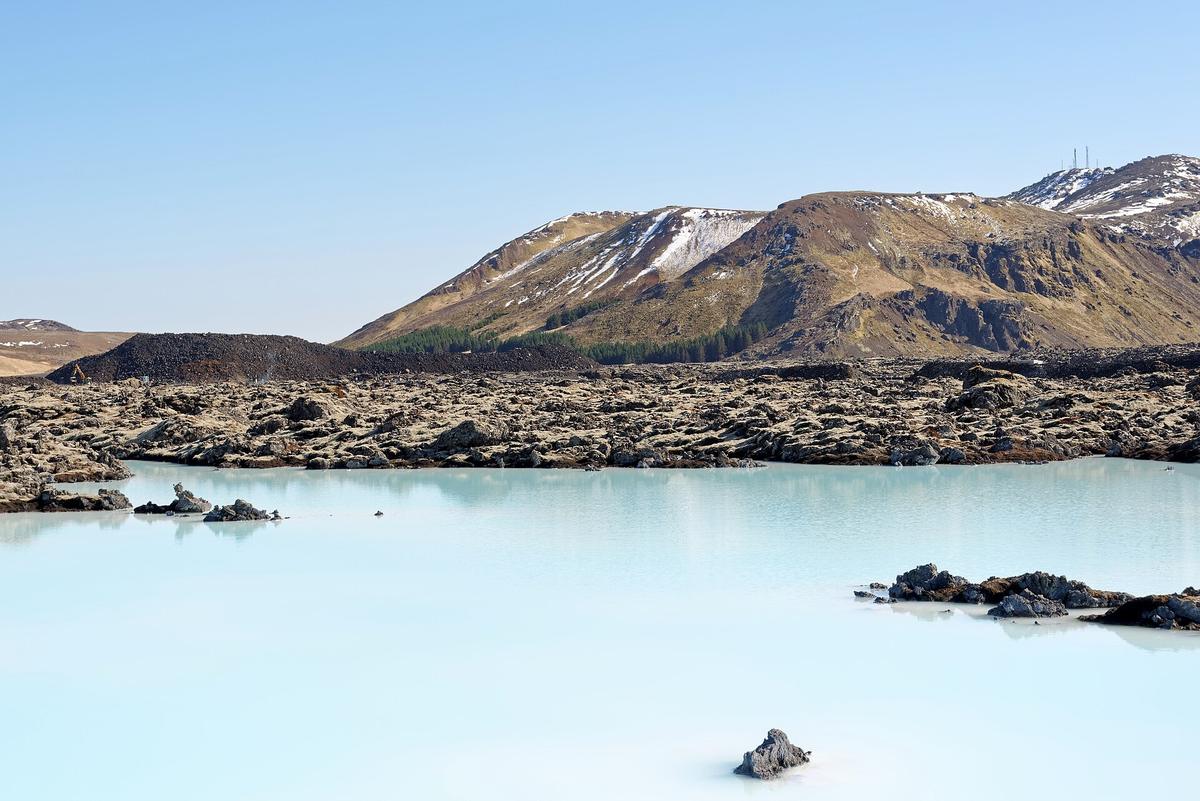

The Blue Lagoon Is Not a Pool
Most travellers frame the decision wrong. They ask whether the Blue Lagoon is a good geothermal pool. That misses the point. The Blue Lagoon is not a pool. It is a premium airport-adjacent hospitality product wrapped around a geothermal byproduct. The milky blue water is runoff from the Svartsengi Power Plant, heated to 240°C from a two-kilometre borehole, then cooled to 37, 40°C and cycled through an 8,700-square-metre lagoon that renews completely every 40 hours. The silica content that gives the water its colour and its reputation for skin softness is a direct result of industrial geothermal energy production. None of that makes it bad. It makes it a specific thing: a convenient, expensive, heavily marketed experience that sits 21 kilometres from Keflavík Airport, midway to the capital, and requires a timed, prepaid booking that you must arrange weeks or months in advance.
The real question is not whether you will enjoy it. You probably will. The real question is whether you would enjoy it more than three other options that cost between one-tenth and two-thirds of the price, and whether the airport convenience justifies the premium. Here are the numbers, the trade-offs, and the honest verdict for each type of traveller.
- Location: Grindavíkurbær, Reykjanes Peninsula, 21 km from KEF, 47 km from Reykjavík
- Water Source: Runoff from Svartsengi Geothermal Power Plant, 70% seawater, 30% freshwater from a 2,000 m borehole
- Water Temp: 37, 40°C, pH 7.5, salinity 2.5% (two-thirds of seawater)
- Comfort Package: From 8,990 ISK for entrance, silica mask, towel, one drink
- Premium Package: From 11,490 ISK for Comfort inclusions plus two extra masks, bathrobe, slippers, algae mask
- Signature Package: From 79,000 ISK for Premium inclusions plus private changing suite, Retreat Spa, Retreat Lagoon access
- Booking Requirement: Mandatory pre-booking, tickets released 30, 90 days ahead
- Closure History: Temporarily closed six times in 2023, 2024 due to volcanic activity on the Reykjanes Peninsula; currently open subject to daily safety assessments
What You Actually Pay for
At 8,990 ISK for the Comfort package, the Blue Lagoon is not a spontaneous stop. It is a planned expenditure that requires you to commit to a time slot, arrive on schedule, and accept that you will share the water with hundreds of other people who made the same decision. During peak summer months and on arrival or departure days, the lagoon reaches capacity. The silhouette selfies against the steam, the silica mask smeared on faces, the single drink included in the Comfort package, these are the transactional components of the experience. The water itself is real and clean. The silica and algae in the masks are not gimmicks; the water's mineral composition has documented effects on skin conditions like psoriasis. But the setting is a man-made basin beside a power plant, not a natural hot spring.
The Timing Trap
Because the Blue Lagoon sits directly between Keflavík Airport and the city, most visitors slot it onto their arrival or departure day. This creates two problems. First, you are entering the water after a transatlantic flight or before a long return journey, which means you are tired, dehydrated, and operating on a compromised schedule. Second, the 20-minute drive from the airport becomes a 45-minute drive from the capital, and the booking window means you cannot adjust if your flight is delayed or if the weather grounds your departure. The Lagoon's closure history during the 2023, 2024 Reykjanes volcanic events, six temporary shutdowns driven by seismic activity and lava flow barriers near the Svartsengi system, is a reminder that this is an industrial facility in an active volcanic zone. Check vedur.is and road.is before you book, and never buy a non-refundable ticket more than 60 days out.
Who Should Book It
If you are on a tight connection or a short layover, and you want a controlled, comfortable soak with no navigation risk, book the Blue Lagoon. The mandatory pre-shower without swimsuit, the hair conditioner stations, the towel included in the Comfort package, these reduce friction for a traveller who does not want to figure out Icelandic shower etiquette on the fly. If you value predictability over authenticity, and you are willing to pay for the assurance that the water will be at 38°C and the locker will work, this is your choice. If you are flying in and out of KEF with no rental car and no desire to drive any further than necessary, use the Blue Lagoon as your layover stop.
Who Should Skip It
Skip it if you resent timed bookings. Skip it if you want to see the Icelandic landscape rather than a crowd of tourists in swim caps. Skip it if you are on any kind of budget, because the gap between 8,990 ISK and what you can get for 1,250 ISK at a municipal pool is not marginal. Skip it if you are driving the Ring Road, because the Mývatn Nature Baths in the north offer comparable water composition and a better natural setting for 6,490 ISK. And skip it if you have any interest in the volcanic geology of the Reykjanes Peninsula itself: the Blue Lagoon's location near the Sundhnúkagígar eruption sites and the evacuated town of Grindavík is geographically interesting, but the facility does not engage with that context. You are inside a branded environment, not a geological site.
| Location | Price (Adult) | Distance From Reykjavík | Key Feature |
|---|---|---|---|
| Blue Lagoon | 8,990–79,000 ISK | 47 km | Airport proximity, silica mask ritual, branded experience |
| Sky Lagoon | 6,990–12,990 ISK | 7 km | Oceanfront infinity pool, Seven-Step Ritual, Kópavogur setting |
| Mývatn Nature Baths | 6,490 ISK | 90 km from Akureyri | Natural setting, geothermal power plant runoff, North Iceland |
| Secret Lagoon (Gamla Laugin) | 3,300 ISK | 105 km | Oldest pool in Iceland, natural hot spring, Flúðir |
| Laugardalslaug (Municipal) | 1,250 ISK | Central Reykjavík | 50m pool, multiple hot tubs, steam bath, waterslides |
Three Alternatives That Cost Less and Deliver Different Value
Each alternative below is not a direct substitute for the Blue Lagoon. That is the point. You should choose based on what matters to you, not on brand recognition.
Sky Lagoon: The Urban Oceanfront Upgrade
Seven kilometres from central Reykjavík in Kópavogur, Sky Lagoon costs from 6,990 ISK for the Pure Lite Pass and 9,990 ISK for the Pure Pass. The Seven-Step Ritual (called Skjól) involves a cold plunge, a sauna, a cold mist, a body scrub, a steam, a shower, and a return to the geothermal infinity pool overlooking the North Atlantic. The water is not milky blue; it is clear and you can see the harbour. The facility is newer, smaller, and less crowded than the Blue Lagoon. The trade offs: it is not near the airport, so you cannot use it as a layover stop. The ritual format means you are guided through the experience rather than free floating. And the oceanfront setting, while dramatic, exposes you to the same wind that defines Iceland's weather; do not book a sunset slot in January when daylight ends at 16:00 and the windchill on a wet head hits hard.
Mývatn Nature Baths: The Northern Cousin
Ninety kilometres east of Akureyri, the Mývatn Nature Baths draw their water from the Bjarnarflag Geothermal Power Plant, the same industrial source model as the Blue Lagoon. The water temperature runs 36, 40°C. The adult admission is 6,490 ISK. The setting is superior: the baths sit in the middle of the Mývatn geothermal area, surrounded by pseudocraters, lava formations, and the volcanic chaos of the Krafla region. You can see the steam rising from the power plant in one direction and the lake in the other. The facilities are basic compared to the Blue Lagoon, no silica masks, no bathrobes unless you pay extra, no restaurant beyond a snack counter. The water has the same mineral content but a lower silica concentration, so your hair does not stiffen. This is the choice for the Ring Road driver who wants a soak after a day of hiking near Dettifoss or Goðafoss. The downside: it is a detour. You need to be in North Iceland already, and the drive from the capital is five hours one way. Do not drive up just for the baths.
Secret Lagoon And The Municipal Pools: The Local Option
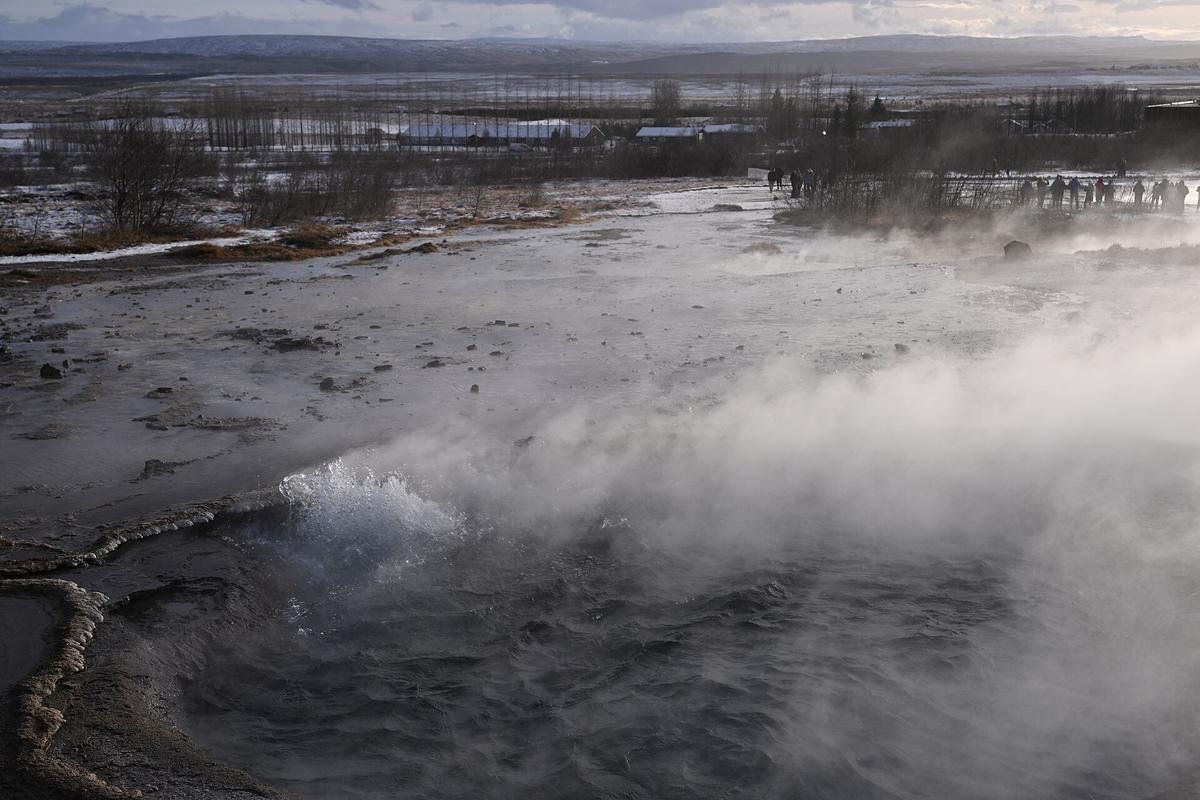
The Secret Lagoon in Flúðir, 105 kilometres from Reykjavík on the Golden Circle route, costs 3,300 ISK. It is the oldest swimming pool in Iceland, built in 1891, fed by the natural hot spring Vaðmálahver. The water is 38, 40°C. There is no power plant runoff here, just geothermal groundwater that flows through the pool and out into a stream. The changing rooms are small. The setting is a grassy field with a small geyser that erupts every few minutes. This is the most honest geothermal experience in the country: no branded masks, no infinity edges, no crowds. But it is a pool, not a spa, and the walk from the car park to the changing room is cold in winter.
For a fraction of the Blue Lagoon price, the municipal swimming pools of the city deliver the same mandatory pre shower etiquette, the same hot tub culture, and a setting that locals actually use. Laugardalslaug, Vesturbæjarlaug, and Sundhöllin each charge 1,250 ISK for adult entry. Towel rental is 950 ISK extra if you did not pack one. Laugardalslaug offers a 50-metre outdoor pool, multiple hot tubs between 38°C and 44°C, a steam bath, and a waterslide. Vesturbæjarlaug is smaller, quieter, and tucked into a residential neighbourhood. Sundhöllin has an indoor pool, an outdoor pool, and a rooftop hot tub. None of them have silica masks. None of them require a booking. None of them will cost you more than the coffee and pastry you buy after. The trade off: they close by 22:00, they are not photogenic in the way the Blue Lagoon is, and they do not offer a departure day soak unless the capital is your last stop.

The Honest Decision Matrix
Here is the single question that decides it for you. Do you have fewer than four hours between landing at KEF and continuing your trip, or are you leaving Iceland from KEF on a flight after 14:00? If yes, book the Blue Lagoon. No alternative fits the geography. Book the Comfort package at 8,990 ISK, arrive 20 minutes before your slot to account for the check in queue, shower thoroughly, and accept that you are paying for convenience, not discovery.
If you have more than four hours in the Reykjavík area, the value proposition inverts. A municipal pool at 1,250 ISK with a towel rental of 950 ISK gives you the same hot soak for less than the price of a single Blue Lagoon entrance. Spend the difference on a good meal in the city, the lamb soup at a petrol station on the Ring Road, or a tank of fuel for the drive to the Mývatn Nature Baths. The Sky Lagoon at 6,990 ISK gives you a comparable branded ritual with a better view for less money, but you need to be in Kópavogur and you need to like structured experiences.
If you are on the Ring Road and heading north, skip both Blue and Sky. The Mývatn Nature Baths at 6,490 ISK are cheaper and set in a landscape that the Blue Lagoon cannot touch. If you are on the Golden Circle route, stop at the Secret Lagoon. At 3,300 ISK it is an hour and a half from the capital, costs less than half the Blue Lagoon, and sits beside a natural hot spring that has been flowing since long before Iceland had a tourism board.
One honest caveat. The municipal pools do not have silica masks. They do not have infinity edges. They do not have a Lava Restaurant with main courses at 4,000, 7,000 ISK. They do not have Instagram backdrops engineered for a beauty shot. If those things matter to you, then the Blue Lagoon is not overpriced, it is correctly priced for what it delivers. Just know that what it delivers is a luxury spa product, not a geothermal hot spring, and that the difference between 8,990 ISK and 1,250 ISK is not a difference in the water, it is a difference in everything else.
Common Questions
Is the Blue Lagoon a natural hot spring?
No. The water is runoff from the Svartsengi Geothermal Power Plant. It is heated to 240°C from a two-kilometre borehole, then cooled to 37, 40°C. The lagoon is man-made, lined with concrete, and the water is entirely recycled every 40 hours.
Can I just show up without a booking?
No. Pre-booking is mandatory for all guests. Tickets are released 30 to 90 days in advance. Showing up without a reservation will get you turned away, even if the lagoon is below capacity.
Which package should I buy?
Buy the Comfort package at 8,990 ISK. It covers entrance, a silica mud mask, a towel, and one drink. That is enough. The Premium package at 11,490 ISK adds two more masks and a bathrobe. The Signature package at 79,000 ISK is for private suite access and Retreat Lagoon entry, which only makes sense if you are staying at the Retreat Hotel. Do not buy a package with bathrobe unless you plan to walk between the lagoon and the changing room in cold weather.
What happens if the lagoon closes due to volcanic activity?
The Blue Lagoon has closed six times between November 2023 and May 2024 due to volcanic fissures and lava flow barriers on the Reykjanes Peninsula. It currently operates under daily safety assessments. If your visit coincides with a closure, the facility will refund or reschedule your ticket. Check vedur.is and road.is before departure for real time seismic and road condition updates.
Is the Blue Lagoon worth it for a solo traveller?
Only if you value convenience over cost and solitude. Solo travellers pay the same entry price as couples. The lagoon is crowded, the timed slot adds scheduling pressure, and the experience is designed for groups and couples. A solo traveller will get better value at a municipal pool for 1,250 ISK or the Secret Lagoon for 3,300 ISK, where the atmosphere is quieter and the booking is not required.
Read next
-
 Day Trips from Reykjavik That Actually Work as a Day
The Golden Circle works as a day from Reykjavík. Jökulsárlón absolutely does not. Where the realistic day-trip radius ends and the overnight zone begins.
Day Trips from Reykjavik That Actually Work as a Day
The Golden Circle works as a day from Reykjavík. Jökulsárlón absolutely does not. Where the realistic day-trip radius ends and the overnight zone begins.
-
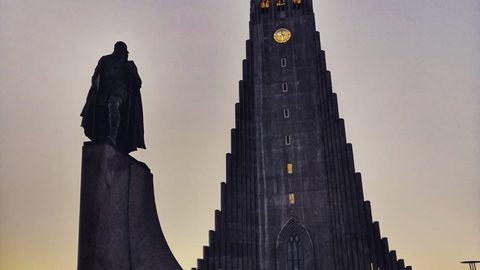 Hallgrimskirkja
Hallgrímskirkja tower delivers Reykjavík's best aerial view of the coloured rooftops and distant mountains, but the lift queue and ticket price need planning.
Hallgrimskirkja
Hallgrímskirkja tower delivers Reykjavík's best aerial view of the coloured rooftops and distant mountains, but the lift queue and ticket price need planning.
-
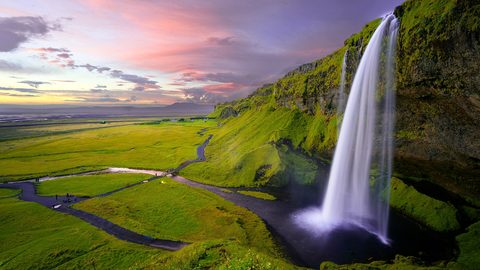 Iceland Travel Guide From One Ring Road to Six Regions
Iceland breaks into six regions and one ring. This guide lays out the geography, the tradeoffs, and how to choose where to spend your limited days.
Iceland Travel Guide From One Ring Road to Six Regions
Iceland breaks into six regions and one ring. This guide lays out the geography, the tradeoffs, and how to choose where to spend your limited days.
-
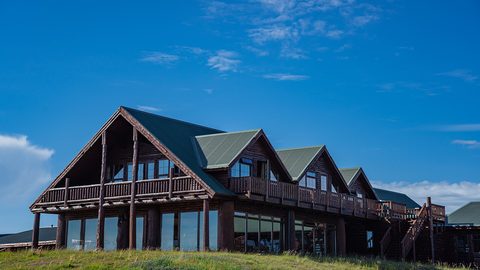 Iceland Accommodation Types from Farm Stays to Hostels
A hotel in rural Iceland rarely means what it means elsewhere. The real differences between guesthouses, farm stays, hostels and campsites before you book.
Iceland Accommodation Types from Farm Stays to Hostels
A hotel in rural Iceland rarely means what it means elsewhere. The real differences between guesthouses, farm stays, hostels and campsites before you book.
-
 Where to Stay in Iceland for a Ring Road Road Trip
On an Iceland lap, the road decides where you sleep. Which bases break the Ring Road into sensible chunks, and where inventory runs dangerously low in July.
Where to Stay in Iceland for a Ring Road Road Trip
On an Iceland lap, the road decides where you sleep. Which bases break the Ring Road into sensible chunks, and where inventory runs dangerously low in July.
-
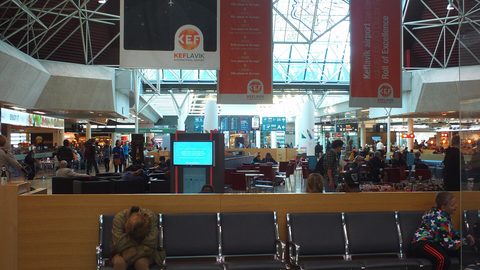 Keflavik Airport Flights Transfers and Iceland Domestic Routes
Keflavík to Reykjavík has no train. Flybus, taxi costs, rental car pickup, and when a domestic flight from Reykjavík City Airport saves a day of driving.
Keflavik Airport Flights Transfers and Iceland Domestic Routes
Keflavík to Reykjavík has no train. Flybus, taxi costs, rental car pickup, and when a domestic flight from Reykjavík City Airport saves a day of driving.
-
Icelandic Place Names: The Word-Parts That Decode the Map
Icelandic place names are compounds that describe the place. Learn twenty word-parts and most of the map explains itself.
-
 Icelandic Road Signs: The Words You Need Before You Drive
Iceland signs its hazards in Icelandic. Six words matter more than the rest, and two of them appear on the Ring Road hourly.
Icelandic Road Signs: The Words You Need Before You Drive
Iceland signs its hazards in Icelandic. Six words matter more than the rest, and two of them appear on the Ring Road hourly.
-
 Icelandic Phrases for Travellers, and When They Actually Help
Everyone in Iceland speaks English, so phrases are courtesy rather than necessity. These are the ones that land well.
Icelandic Phrases for Travellers, and When They Actually Help
Everyone in Iceland speaks English, so phrases are courtesy rather than necessity. These are the ones that land well.