Choosing Your Ring Road Pace and What You Give Up at Each Duration
A 7-day Ring Road sprint skips the Westfjords and most detours; 10 days adds Snæfellsnes; 14 days opens the highlands and the full Westfjords.
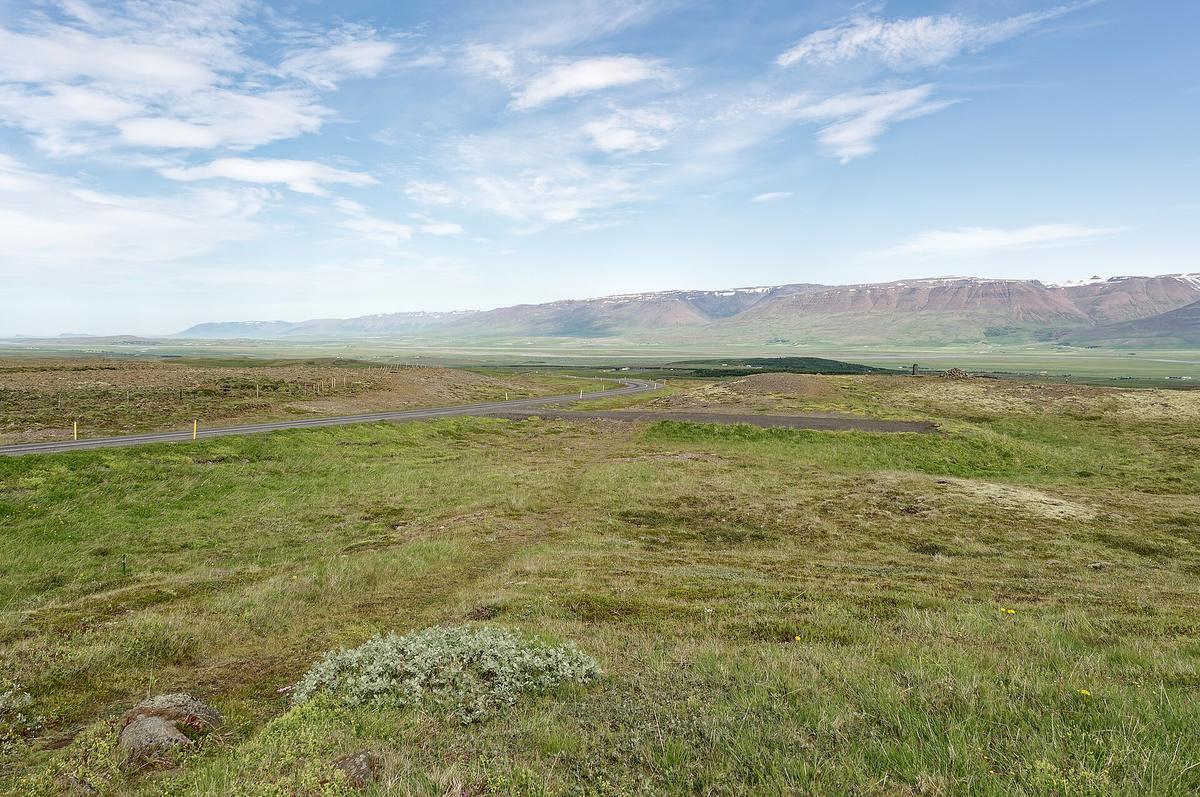

The Daily Distance Trap on Iceland’s Ring Road
The common assumption about driving Iceland's Ring Road is that you should aim for 7 days. Seven days fits neatly into a vacation week. Seven days looks manageable on a map. Seven days is exactly what you should not attempt unless you understand precisely what you will lose. The Ring Road measures 1,332 kilometres. That distance alone is not punishing. What punishes you is the gap between typical planning and realistic driving. Visitors plan for 250 to 350 kilometres per day. The realistic daily figure is 150 to 200 kilometres. The difference is not caution. It is single-lane bridges that force you to stop and yield. It is gravel sections in the Berufjörður area that drop your speed to 40 kilometres per hour. It is livestock crossing asphalt without warning. It is the wind that pins your car door shut before you can open it. It is the pull of every waterfall, every black sand beach, every lagoon that demands you stop the engine, step out, and stand silent for five minutes. You will stop far more often than you expect. Plan for 7 days at 300 kilometres per day and you will end each evening exhausted, each morning calculating how many sights you must skip to reach your next bed. Knowing exactly what you sacrifice at each duration lets you choose the pace that matches what you actually want to see.
The 7 Day Ring Road: What You Give Up
In 7 days you drive the Ring Road and nothing else. Your overnight stops are Reykjavík, Vík, Höfn, Egilsstaðir, Akureyri, Borganes, and back to Reykjavík. Every night you sleep in a new place. Every morning you pack the car and drive. The South Coast delivers its rewards early. From Vík you reach Reynisfjara, the black sand beach where sneaker waves kill travellers who turn their backs to the surf. You reach Skógafoss and Seljalandsfoss, where you can walk behind the falling water. At Höfn you eat humar, the langoustine grilled in garlic butter that defines this fishing town. You cross into the Eastfjords and feel the crowds thin. Then the problems compound.
The Stretches That Feel Rushed
The longest stretch with no services runs from Mývatn to Egilsstaðir, roughly 100 kilometres across the Möðrudalsöræfi desert. In 7 days you hit this stretch on day four or five, when fatigue has already accumulated. You cannot stop for coffee. You cannot refuel. If the weather turns, you sit in the car and wait. The second service gap runs from Höfn to Djúpivogur, about 80 kilometres with minimal facilities. The third gap runs from Borganes to Blönduós along the inland Route 1, roughly 90 kilometres of limited stops. These empty corridors force precise fuel management. Never let the tank drop below half. That is not advice for anxious drivers. It is the rule that separates completed trips from roadside waits in wind that rattles the chassis.
What You Skip Entirely
The Westfjords vanish from a 7 day itinerary. That is not negotiable. The Westfjords require a minimum of 3 extra days beyond the Ring Road. Their roads are gravel switchbacks. Their fuel stations are spaced 70 to 200 kilometres apart. Their mobile signal vanishes for hours. To include even a single night in Ísafjörður, you would have to drop two other overnight stops from the Ring Road, compressing the rest into dangerous driving days. The highlands also disappear. Landmannalaugar requires a 4x4 and a dedicated F-road day that adds 7 to 8 hours of driving round trip from the nearest Ring Road stop. Snæfellsnes Peninsula becomes a squeeze. You could attempt it as a day trip from Borganes, but a 10 to 12 hour round trip by car on the final day before returning to Reykjavík means you arrive at Kirkjufell when the parking lot is full and the light is flat. The Eastfjords become a blur. You sleep in Egilsstaðir, drive past the reindeer, and barely register the serrated coastline before you push north. This pace suits one kind of traveller: the person who wants to say they drove the Ring Road and is willing to trade depth for breadth. It does not suit anyone who stops to photograph geology, who wants to walk a trail in the Eastfjords, or who needs downtime between drives.
The 10 Day Ring Road: Where the Real Iceland Opens
At 10 days you stop rushing. Your overnight sequence becomes Reykjavík, Vík, Höfn, Djúpivogur, Egilsstaðir, Mývatn, Akureyri, Siglufjörður, Stykkishólmur, and back to Reykjavík. The extra nights create breathing room. Djúpivogur gives you a quiet evening in the Eastfjords where the main activity is watching the harbour. More importantly, you gain a full day around Mývatn and Akureyri. The Mývatn basin is geothermal chaos. Hverir bubbles with sulphur vents. The pseudocraters at Skútustaðir look like a lunar surface dropped onto wetlands. The hot spring at Jarðböðin lets you soak while rain falls on your face. You need a full day here, not a drive through. The 10 day itinerary gives you that day.
Additions That Change Everything
Snæfellsnes Peninsula becomes a proper overnight stop, not a day trip. Stay in Stykkishólmur, wake up early, and drive the peninsula west toward Kirkjufell before the tour buses arrive. You reach Arnarstapi and walk the coastal trail along basalt cliffs. You stand at Djúpalónssandur and study the four lifting stones that fishermen used to test their strength. This is not an add on. It is a full day of landscape that compresses Iceland's variety into one peninsula. The Eastfjords also improve. You sleep in Djúpivogur instead of passing through. You can detour to the reindeer herds without panic. The next morning you drive the coastal road toward Egilsstaðir at a pace that lets you stop at every viewpoint. The North Coast gains Siglufjörður, a fishing village tucked into a narrow fjord. The drive from Akureyri over the mountain pass is one of the most dramatic stretches on the route, and you arrive with daylight to spare. What you still cannot do is include the Westfjords or the highlands. Ten days is enough for the Ring Road plus one major detour. Choose Snæfellsnes and the Eastfjords, and you must leave the Westfjords for another trip. Attempt to visit Ísafjörður, and you need at least 10 days for the Ring Road and Westfjords combined with no highlands. That means cutting Snæfellsnes entirely and driving hard through the North to reach the ferry at Stykkishólmur. It works, but it compresses the experience back toward the 7 day pace.
The 14 Day Ring Road: the Full Icelandic Experience
At 14 days you stop trading. You have the time to drive the Ring Road, include the Westfjords properly, and add one highland day. Your overnight stops run Reykjavík, Hella, Vík, Höfn, Djúpivogur, Seyðisfjörður, Egilsstaðir, Bakkagerði, Mývatn, Húsavík, Akureyri, Siglufjörður, Ísafjörður, and Stykkishólmur before returning to Reykjavík. That is 15 nights for a 14 day trip, which means you move nearly every day. The difference is that none of those days exceed 200 kilometres.
Why the Westfjords Need Three Days
The Westfjords are not a detour. They are a separate trip that happens to share a country with the Ring Road. To include them, you need at least three days beyond the Ring Road baseline. From Siglufjörður you drive west along the northern coast, cross into the Westfjords at Hólmavík, and descend into Ísafjörður. Route 60 and Route 61 are mostly paved, but Route 63, Route 62, and Route 612 are partly gravel. Fuel stations appear every 70 to 200 kilometres. Mobile signal disappears for hours. You come here for the Arctic foxes, the layered mountains that descend straight into the fjords, and the sense that you have reached the edge of Europe. You do not come here for convenience. The reward is emptiness. At Dynjandi waterfall you stand alone. At the Latrabjarg cliffs you watch puffins without jostling for space. You need a full day to drive from Siglufjörður to Ísafjörður, a full day to explore the western fjords and return east, and a full day to reach Stykkishólmur on the Snæfellsnes side.
Adding the Highlands Without Collapse
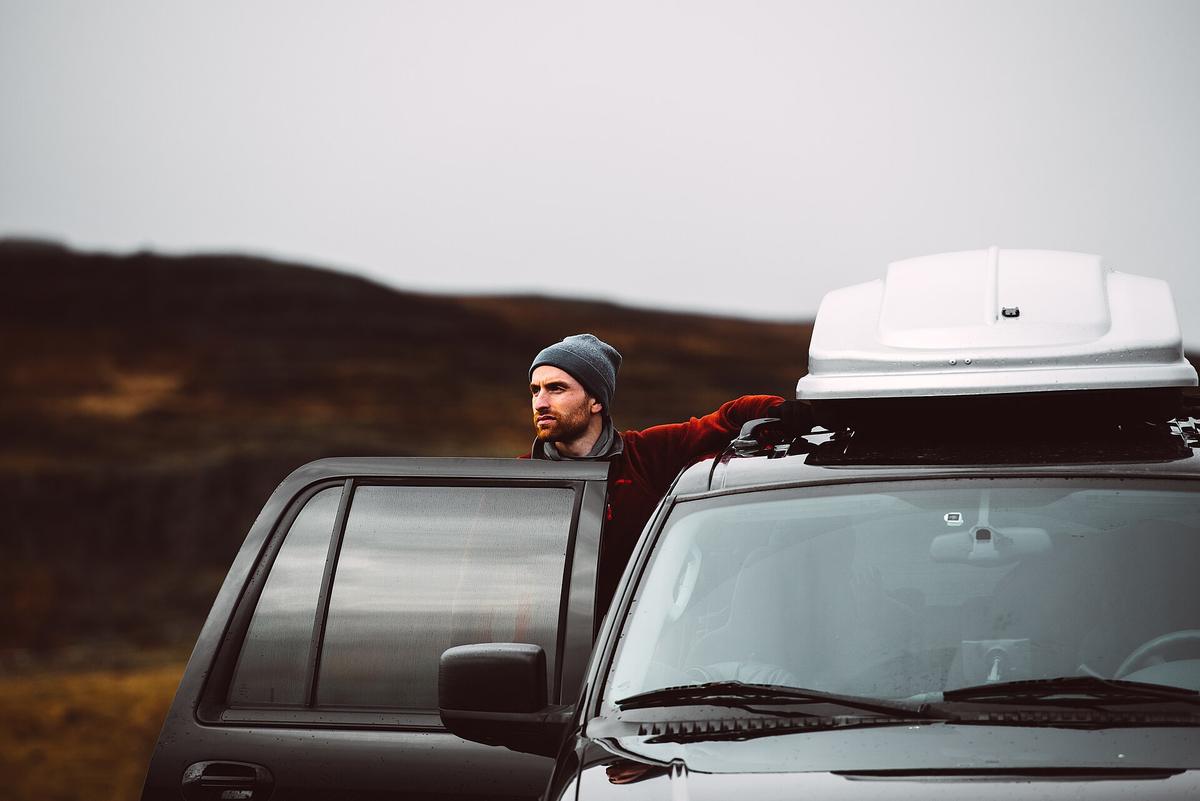
The highlands require a separate 2 day commitment for a single F-road destination. Landmannalaugar needs F-208, which crosses unbridged rivers. You need a 4x4 vehicle that is legally insured on F-roads. The hut at Landmannalaugar books months ahead during summer. The bus runs from mid June to mid September only. With 14 days you can leave the Ring Road at Hella or Vík, drive northeast to the highland entrance, spend one night at the hut or in a tent, and return to the Ring Road the next day. Kerlingarfjöll via F-347 offers an alternative with the Hveradalir geothermal trails. Both require carrying extra fuel because the highlands have none. Skip the highlands and you gain slack days. Spend two nights in Mývatn. Take a whale watching tour from Húsavík. Hike in Seyðisfjörður and Bakkagerði without packing the car the same morning. The 14 day itinerary is the only one that gives you permission to stop, sit, and do nothing.
.jpg)
| Duration | Overnight Stops | What You Gain | What You Sacrifice |
|---|---|---|---|
| 7 Days | Reykjavík, Vík, Höfn, Egilsstaðir, Akureyri, Borganes, Reykjavík | Complete the Ring Road loop in one week | Westfjords, highlands, Snæfellsnes overnight, Eastfjords depth, rest days |
| 10 Days | Reykjavík, Vík, Höfn, Djúpivogur, Egilsstaðir, Mývatn, Akureyri, Siglufjörður, Stykkishólmur, Reykjavík | Snæfellsnes overnight, full Mývatn day, Eastfjords breathing room | Westfjords, highlands, extra rest days |
| 14 Days | Reykjavík, Hella, Vík, Höfn, Djúpivogur, Seyðisfjörður, Egilsstaðir, Bakkagerði, Mývatn, Húsavík, Akureyri, Siglufjörður, Ísafjörður, Stykkishólmur, Reykjavík | Westfjords, one highland day, slack days for hiking and whale watching | Nothing. This is the complete Ring Road plus major detours. |
Who Each Pace Suits
The 7 day Ring Road suits solo road trippers who drive fast, landscape photographers who work quickly, and anyone who wants the achievement of the loop without the detours. It does not suit geology nerds who need to study a lava field for an hour, adventure motorcyclists who prefer dirt roads, or travellers who find whiteout conditions stressful. The 10 day Ring Road suits photographers who want Snæfellsnes at sunrise, couples who want a soak at Jarðböðin without rushing, and anyone who sees the Eastfjords on the map and feels the pull. The 14 day Ring Road suits the traveller who has read about Iceland for years. It suits the person who wants to stand at Dettifoss without checking the watch, who wants to watch a reindeer cross the road without calculating lost time, who understands that the Westfjords gravel switchbacks are the point, not the obstacle. If you need structured itineraries with indoor attractions, if you are a budget backpacker who cannot afford a rental car, if you seek nightlife and urban culture, skip the Ring Road entirely. Spend your days in Reykjavík and take a bus tour of the Golden Circle loop. The Ring Road does not bend to your schedule. You bend to its weather, its distances, and its willingness to show you nothing but road for 100 kilometres. That is the trade you make. Now you know exactly what you are trading at each pace.
Common Questions
Can I drive the Ring Road in 7 days without feeling rushed?
No. You can complete the 1,332 kilometre loop in 7 days, but you will spend every waking hour behind the wheel. The realistic daily driving limit on Route 1 is 150 to 200 kilometres because of frequent stops, single lane bridges, gravel sections, weather slowdowns, and photo pullouts. At 7 days you skip the Westfjords, the highlands, Snæfellsnes as an overnight stop, and most detours off Route 1. The experience becomes a driving challenge, not a travel experience.
Which direction should I drive the Ring Road?
Counterclockwise. The South Coast sights concentrate in the first two days. The light favors south facing photography in the morning and early afternoon. The landscape builds gradually from the waterfalls and black sand of the south to the geothermal chaos of the north and the fjords of the east. Clockwise puts you on the less dramatic northern stretch first and delays the payoff.
Is 10 days enough to include the Westfjords?
Barely. The Westfjords require a minimum of 3 extra days beyond the Ring Road. A 10 day itinerary that includes the Westfjords means you compress the Ring Road into 7 days and spend 3 in the Westfjords. You must skip Snæfellsnes and the highlands entirely. You will drive hard through the North to reach the ferry at Stykkishólmur. It is possible, but the pace returns toward the rushed feeling of a 7 day trip.
What is the longest stretch without services on the Ring Road?
The 100 kilometre section from Mývatn to Egilsstaðir across the Möðrudalsöræfi desert has no fuel and no food. Two other long gaps exist: Höfn to Djúpivogur at roughly 80 kilometres with minimal facilities, and Borganes to Blönduós along the inland Route 1 at roughly 90 kilometres with limited stops. Never let your tank drop below half before entering these stretches.
When should I book accommodation in East and North Iceland?
Book months ahead for June through August. Accommodation in Egilsstaðir, Seyðisfjörður, Mývatn, and Húsavík sells out early in peak season. The town of Bakkagerði has very few rooms. Arrive without a reservation in July and you will sleep in the car or drive an extra 100 kilometres to the next available bed.
Read next
-
 Icelandic Place Names: The Word-Parts That Decode the Map
Icelandic place names are compounds that describe the place. Learn twenty word-parts and most of the map explains itself.
Icelandic Place Names: The Word-Parts That Decode the Map
Icelandic place names are compounds that describe the place. Learn twenty word-parts and most of the map explains itself.
-
 Icelandic Road Signs: The Words You Need Before You Drive
Iceland signs its hazards in Icelandic. Six words matter more than the rest, and two of them appear on the Ring Road hourly.
Icelandic Road Signs: The Words You Need Before You Drive
Iceland signs its hazards in Icelandic. Six words matter more than the rest, and two of them appear on the Ring Road hourly.
-
 Icelandic Phrases for Travellers, and When They Actually Help
Everyone in Iceland speaks English, so phrases are courtesy rather than necessity. These are the ones that land well.
Icelandic Phrases for Travellers, and When They Actually Help
Everyone in Iceland speaks English, so phrases are courtesy rather than necessity. These are the ones that land well.
-
 The Icelandic Alphabet: Þ, Ð, Æ, Ö and How to Read Them
Icelandic has four letters English does not, and every road sign uses them. What they sound like, how to type them, and where to go next.
The Icelandic Alphabet: Þ, Ð, Æ, Ö and How to Read Them
Icelandic has four letters English does not, and every road sign uses them. What they sound like, how to type them, and where to go next.