What You Need to Know Before Walking Onto Reynisfjara Beach
Reynisfjara is Iceland's most dangerous beach. Learn the sneaker wave warning system, where the death zone lies, and how to visit the basalt columns safely.
.jpg)
How Reynisfjara’s Sneaker Waves Kill
A wave hits the black sand near Hálsanefshellir cave and the water climbs twenty metres up the beach in under three seconds. Visitors fifty metres from the shoreline sprint backwards. That surge is a sneaker wave. It does not look like a threat when it starts.
Reynisfjara is not a place for a casual stroll. It is one of Iceland's most lethal tourist destinations. Five people died here between 2007 and 2022. The most recent was a 70 year old male tourist on 10 June 2022. The beach killed another woman in November 2021, another in 2017, and a fourth in 2007. Those fatalities were not a run of bad luck. They were a predictable outcome of how this specific beach behaves. Every visitor who ignores the danger pattern shares the same fatal misjudgment.
Understanding exactly how the waves work, where the death zone begins, and how to use the warning system installed after the 2022 death lets you photograph the basalt columns or watch puffins without becoming a number on a rescue report.
- Beach Location: South coast of Iceland, near Vík í Mýrdal
- Documented Fatalities (2007-2022): 5 deaths
- Most Recent Fatality: 10 June 2022, 70-year-old male tourist
- Warning Light System Installed: 2022
- Light System Colours: Red (do not enter), Yellow (danger, stay far back), Green (safe but remain cautious)
- Recommended Safe Viewing Distance: Minimum 30 metres from water's edge
- Sneaker Wave Cause: Seabed topography with deep nearshore trough causing sudden surge amplification
- Parking Fee: ISK 750, paid via Parka.is app
How the Sneaker Waves Kill
The sneaker wave at Reynisfjara is not a tsunami or a storm surge. It is a local phenomenon caused by the seabed topography: a deep nearshore trough that amplifies the energy of incoming swells into a sudden surge. Waves can look perfectly calm for ten to twenty minutes. Tourists mistake the dry sand as a safe zone, walk forward for a photograph, and the next wave arrives twice as fast and three times as high as anything they have seen in the preceding half hour.
The run up distance is the problem. These waves do not stop at the wet sand line. They surge far up the dry beach. Anyone between the water and the basalt cliff face has nowhere to go. The back of the beach is a vertical wall of rock and sea stacks. There is no escape route if you misjudge the timing.
The death zone begins at the water's edge and extends thirty metres inland. That is not a suggestion. That is the number that reflects every recorded fatality at this location. Stay behind the thirty metre line and you watch the wave recede into the trough safely. Step inside that boundary and you are in the measured surge range of a sneaker wave.
The Misjudgment That Kills
Every victim made the same mistake. They saw wet sand, stood on dry sand nearby, and assumed the water would not reach them. The dry sand at Reynisfjara is not a safe zone. It is just sand that has not been wet in the last few minutes. Sneaker waves travel faster than a person can run on loose volcanic grit. You cannot outrun it. The only move that works is not being within thirty metres when the wave arrives.
Do not trust the calm between sets. A ten minute gap of small, harmless waves does not mean the beach is safe. That gap is exactly the window that gives visitors a false sense of security. Use that time to retreat farther up the beach, not to advance closer to the water.
The Warning Light System and What it Means
After the 2022 fatality, authorities installed a traffic light style warning system on the beach access path. You will see it before you step onto the sand. Treat it as a gate, not a suggestion.
A red light means do not enter the beach area. This happens when conditions make sneaker waves likely or when the beach is closed for rescue operations. If the light is red, do not walk around it. Do not wait for it to change. The beach is not worth your life.
A yellow light means danger, stay far back. This is the most common condition you will encounter. You are allowed on the beach, but you must maintain the thirty metre minimum distance from the water. The yellow light is not a warning to be cautious. It is an instruction to stay far back. Many visitors interpret yellow as proceed with care. Proceed with care at this beach means you are in the death zone.
A green light means safe but remain cautious. Even when the light is green, sneaker waves are possible. The green light signals that conditions are relatively calm, not that the beach is safe. Maintain the thirty metre distance regardless of the colour. The light is a backup, not your primary safety measure.
Check the Light Every Time You Return
Conditions change fast. You might walk from the parking lot to the basalt columns under a green light and find yellow on your way back. That is a signal to adjust your position. Do not assume the colour holds for your entire visit. Look at the light on arrival and check it again if you leave the beach and return. The system updates based on real time observations from the beach wardens.
Where to Stand and What You Can Actually See
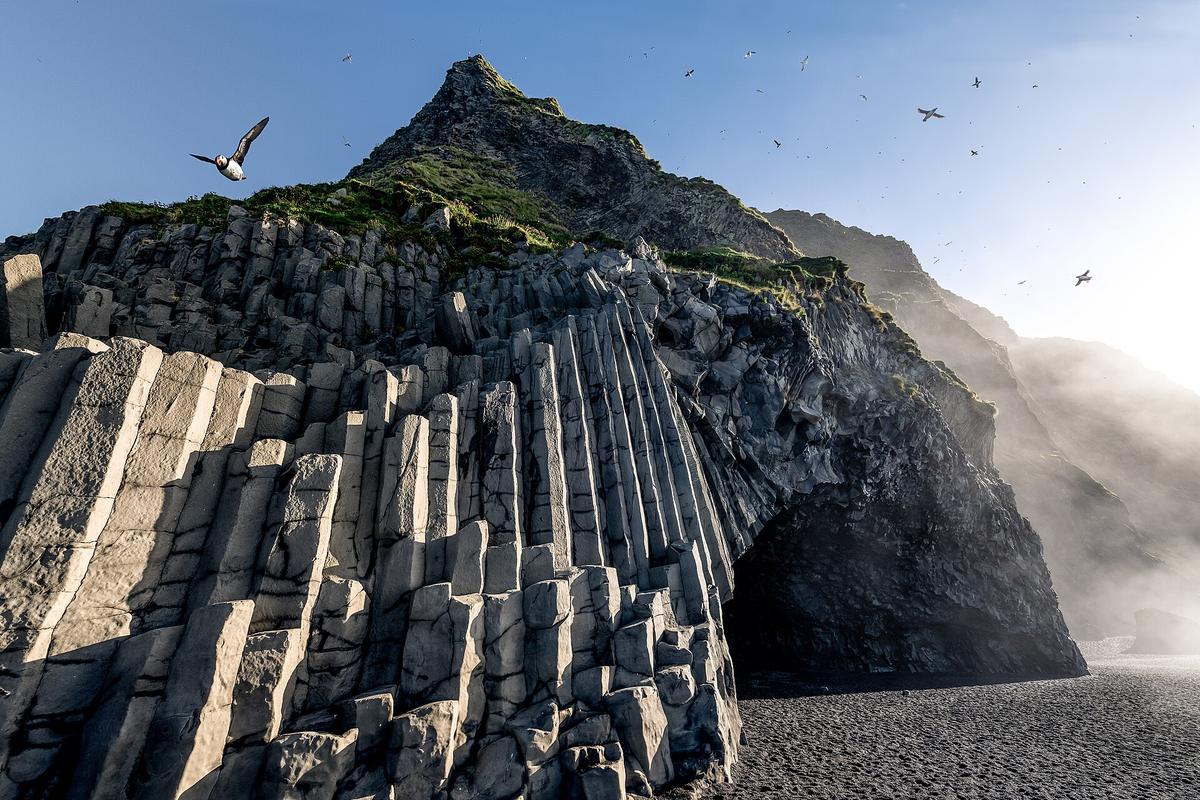
Reynisfjara runs about two kilometres along the coast. Most visitors concentrate on the section near Hálsanefshellir cave, the basalt column formation that rises up to twenty metres high. The cave is worth seeing, but it is the most dangerous part of the beach because the rock face blocks escape routes. Stand well back from the cave entrance. Do not enter the cave itself. Sneaker waves have surged into it and dragged people out to sea.
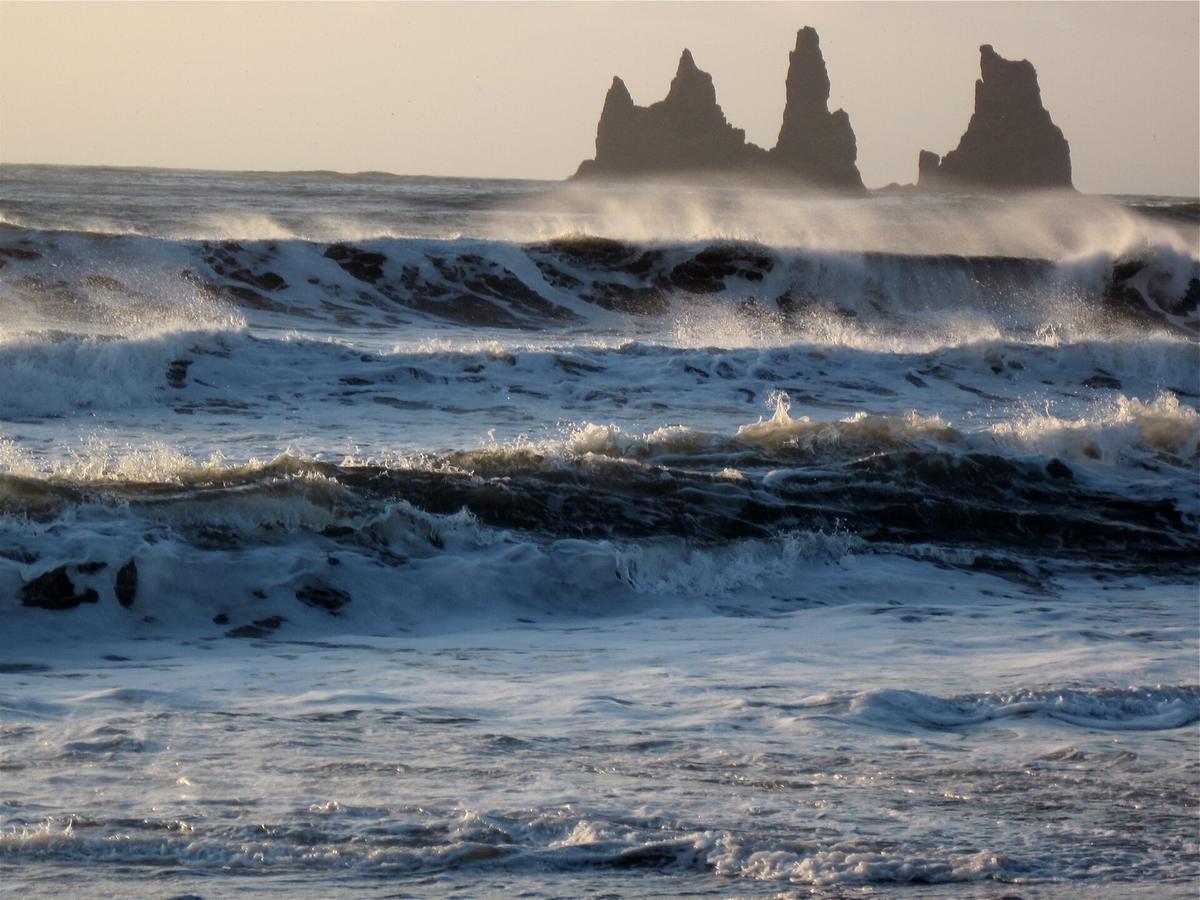
The three Reynisdrangar sea stacks rise offshore. Local folklore says they are petrified trolls who tried to drag a ship to shore and did not make it back before sunrise. From the thirty metre safe zone, you get a clear view of all three stacks. You do not need to walk closer. The best photographs of Reynisdrangar come from the safe area, not from the water line.
Dyrhólaey is six kilometres west of Reynisfjara and offers a completely different perspective. The upper parking sits at about 120 metres elevation. From that height you can photograph the black sand beach, the sea stacks, and the coastline without any sneaker wave risk. Dyrhólaey also has puffins nesting from May to mid-August, though the upper parking closes periodically from mid-May to late June depending on nesting activity. Check the opening status before driving there.
Timing Your Visit
The worst crowds hit Reynisfjara between 10:00 and 16:00 from June through August. July and early August are the absolute peak. Arrive at 08:30 and you will share the beach with fewer than twenty people. You can pick your position without jostling. Late evening in the summer months gives extended golden hour light without midday tour bus traffic.
Parking and Facilities
Park at the Reynisfjara Beach Parking lot at coordinates 64.4025 N, 19.0440 W. The fee is ISK 750 per vehicle, paid through the Parka.is app. There are paid restrooms at the lot for ISK 200. The Black Beach Restaurant sits adjacent to the parking and serves lamb soup, coffee, and pastries. Fuel up before you arrive in Vík. The station in town closes early and is unmanned outside business hours.
.jpg)
The Honest Caveat
The warning light, the thirty metre rule, and the knowledge of the five fatalities do not make you invincible. A visitor who stands twenty nine metres from the water because the light is green is making a choice that someone else already made before being swept out. The beach is beautiful. It is also a place where the distance between a photograph and a rescue call is exactly one wave set. Stay behind the line, watch the light, and accept that the safest view of Reynisfjara is from farther back than you think you need to be.
Common Questions
What is a sneaker wave and why is it dangerous at Reynisfjara?
A sneaker wave is a sudden, much larger wave that arrives without warning, caused by the deep nearshore trough at Reynisfjara that amplifies wave energy. These waves surge far up the dry sand in seconds, faster than a person can run. The danger is that waves can appear calm for 10 to 20 minutes between sets, luring visitors near the water.
How far should I stay from the water at Reynisfjara?
Stay a minimum of 30 metres from the water's edge at all times. Sneaker waves can surge beyond the expected wet sand line. That 30 metre buffer is based on documented fatal surge distances. Even if the sand is dry where you stand, you are not safe inside that boundary.
What do the yellow and red warning lights mean?
A red light means do not enter the beach area at all. A yellow light means danger, stay far back. A green light means safe but remain cautious. The light updates based on real time conditions. Check it on arrival and again if you leave and return.
How many people have died at Reynisfjara?
Five people died at Reynisfjara between 2007 and 2022. The most recent was a 70 year old male tourist on 10 June 2022. A female tourist died in November 2021, another in 2017, and a fourth in 2007.
Can I see the Reynisdrangar sea stacks from a safe distance?
Yes. The three Reynisdrangar stacks are clearly visible from the 30 metre safe zone. You do not need to walk closer to the water for a better view. Try Dyrhólaey, about 6 km west, for an elevated perspective with no sneaker wave risk.
Read next
-
 Jokulsarlon Glacier Lagoon
Why Jökulsárlón glacier lagoon demands an overnight stay, not a Reykjavík day trip, plus zodiac boat booking and Diamond Beach photography timing.
Jokulsarlon Glacier Lagoon
Why Jökulsárlón glacier lagoon demands an overnight stay, not a Reykjavík day trip, plus zodiac boat booking and Diamond Beach photography timing.
-
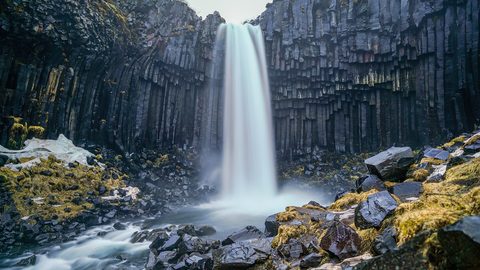 Skaftafell
 is the hiking gateway to Vatnajökull National Park. Compare trail lengths, the Svartifoss basalt column route, and glacier viewpoints before you arrive.
Skaftafell
Skaftafell is the hiking gateway to Vatnajökull National Park. Compare trail lengths, the Svartifoss basalt column route, and glacier viewpoints before you arrive.
-
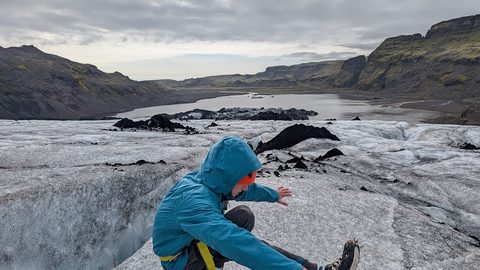 Solheimajokull Glacier
Sólheimajökull is Iceland's most popular beginner glacier hike. Learn what crampon-fitting feels like, how tough the walk is, and why unguided access is fatal.
Solheimajokull Glacier
Sólheimajökull is Iceland's most popular beginner glacier hike. Learn what crampon-fitting feels like, how tough the walk is, and why unguided access is fatal.
-
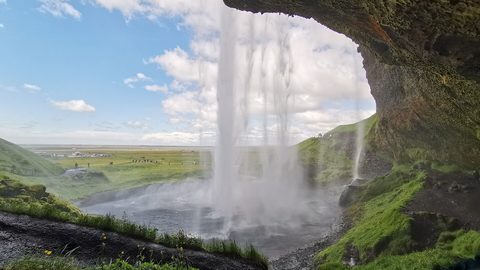 Seljalandsfoss
 lets you walk behind the cascade, but the real reward is Gljúfrabúi hidden in a canyon cleft next door. Learn the wading route and parking system.
Seljalandsfoss
Seljalandsfoss lets you walk behind the cascade, but the real reward is Gljúfrabúi hidden in a canyon cleft next door. Learn the wading route and parking system.
-
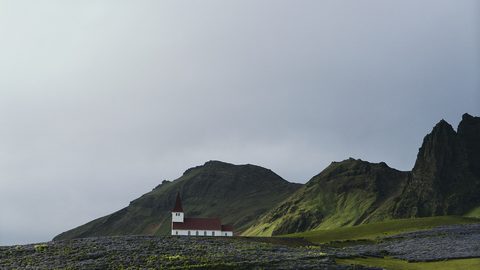 Vik
Understand the dangers of Reynisfjara’s sneaker waves and plan a safe, rewarding stop in Vík on Iceland’s south coast.
Vik
Understand the dangers of Reynisfjara’s sneaker waves and plan a safe, rewarding stop in Vík on Iceland’s south coast.
-
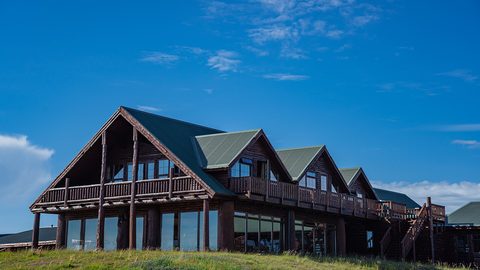 Iceland Accommodation Types from Farm Stays to Hostels
A hotel in rural Iceland rarely means what it means elsewhere. The real differences between guesthouses, farm stays, hostels and campsites before you book.
Iceland Accommodation Types from Farm Stays to Hostels
A hotel in rural Iceland rarely means what it means elsewhere. The real differences between guesthouses, farm stays, hostels and campsites before you book.
-
 Where to Stay in Iceland for a Ring Road Road Trip
On an Iceland lap, the road decides where you sleep. Which bases break the Ring Road into sensible chunks, and where inventory runs dangerously low in July.
Where to Stay in Iceland for a Ring Road Road Trip
On an Iceland lap, the road decides where you sleep. Which bases break the Ring Road into sensible chunks, and where inventory runs dangerously low in July.
-
 Keflavik Airport Flights Transfers and Iceland Domestic Routes
Keflavík to Reykjavík has no train. Flybus, taxi costs, rental car pickup, and when a domestic flight from Reykjavík City Airport saves a day of driving.
Keflavik Airport Flights Transfers and Iceland Domestic Routes
Keflavík to Reykjavík has no train. Flybus, taxi costs, rental car pickup, and when a domestic flight from Reykjavík City Airport saves a day of driving.
-
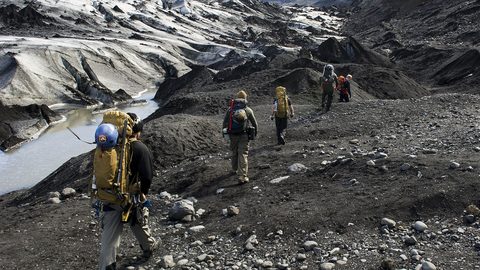 Iceland Experiences Worth Booking and Those That Depend on Weather
Some Iceland experiences vanish if you don't book weeks ahead. Silfra, ice caves, and Landmannalaugar huts sell out. Waterfalls and beaches just need you to show up.
Iceland Experiences Worth Booking and Those That Depend on Weather
Some Iceland experiences vanish if you don't book weeks ahead. Silfra, ice caves, and Landmannalaugar huts sell out. Waterfalls and beaches just need you to show up.