Choosing the Right Bases for an Iceland Self-Drive Lap
On an Iceland lap, the road decides where you sleep. Which bases break the Ring Road into sensible chunks, and where inventory runs dangerously low in July.
The Ring Road Decides Where You Sleep, Not You
The single most useful fact about an Iceland Ring Road road trip is this: you do not choose your stops. Distance maths chooses them. The island is roughly the size of Kentucky, but the road stretches 1,322 kilometres and the speed limit caps at 90 km/h on pavement and 80 km/h on gravel. The weather cancels road time unpredictably. Daylight shrinks or expands depending on season. Between June and August you are competing with several thousand other drivers for a limited pool of beds. The towns that appear on your booking itinerary are the towns where the drive time forces you to stop, not where your aesthetic preferences would land you. Accept this before you book anything.
You start in the capital because that is where the airport bus drops you and where the rental car companies cluster. You spend two nights there minimum. You arrive jet-lagged and need a buffer day to recover from the flight and collect a vehicle without rushing. Then the loop dictates the rest.
South Coast To The East
Night one falls on the South Coast, either Vík or Kirkjubæjarklaustur. The drive from Reykjavík to Vík is about 2.5 hours, but the waterfalls, glacial tongues, and Reynisfjara black sand beach along the way stretch the day to a full itinerary. Night two belongs to Höfn. From Vík to Höfn is a stretch that sounds easy on paper until you factor in Jökulsárlón, Diamond Beach, and multiple glacier viewpoints that demand stops. Night three lands in Egilsstaðir or Seyðisfjörður. The eastern fjords are a slow road, winding and serrated, with tunnels and single-lane bridges, and the inventory across the entire region sits below 200 bookable units. Summer booking lead time here runs four to eight months ahead.
North And The Return Leg
Night four goes to Mývatn or Akureyri. Mývatn puts you inside the geothermal zone; Akureyri offers more accommodation and restaurants. The choice depends on whether you prioritise immediate access to Dettifoss and the pseudocraters or a base with a supermarket and a bakery that opens before 09:00. Night five is back to the Reykjavík area or, if you add the Snæfellsnes Peninsula, a night in a guesthouse near Kirkjufell. The Westfjords require a separate commitment of at least two additional nights and a 4x4 vehicle. Several mountain passes close entirely October through April. The entire region has fewer than 150 bookable units. If you add the Westfjords, plan for nights six and seven in Ísafjörður and a midpoint stop.
Where You Actually Book, Season by Season
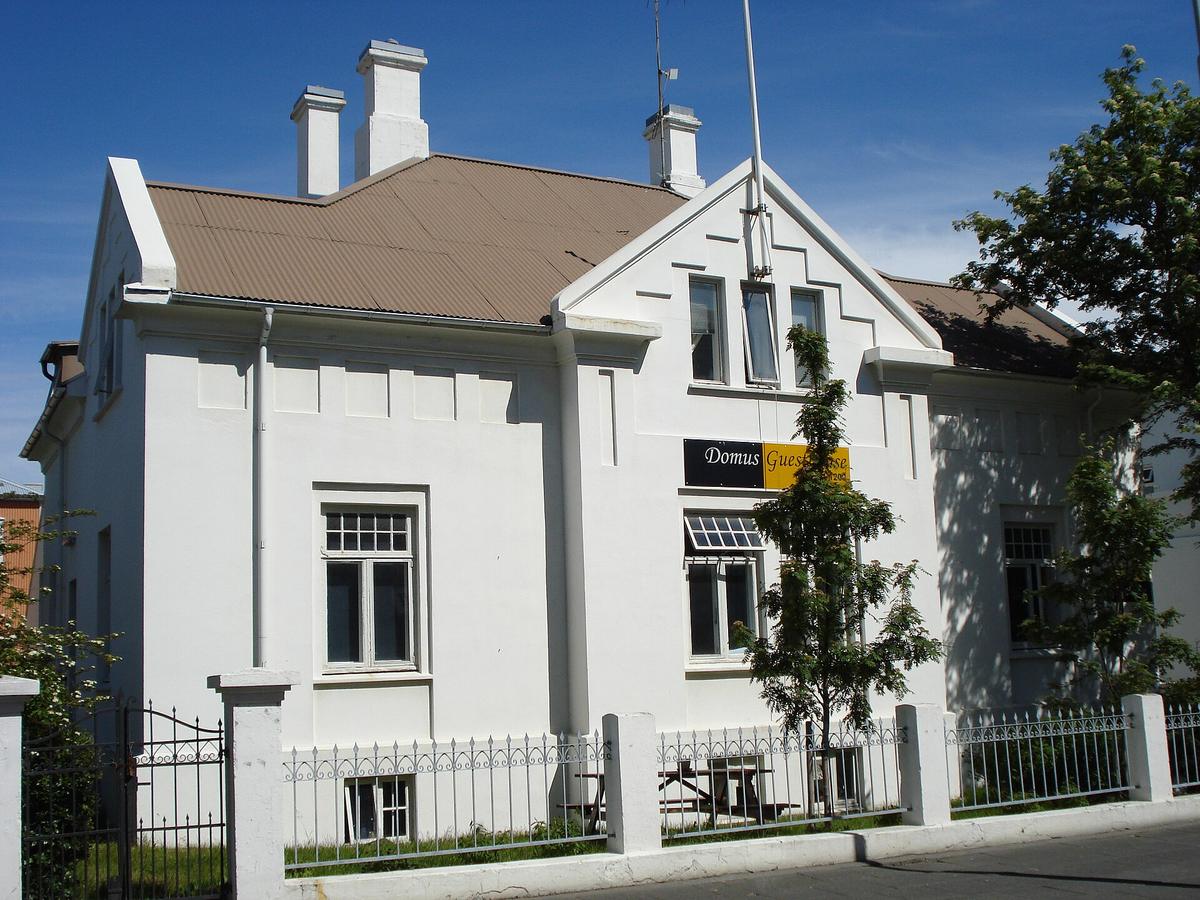
Summer (June August). Minimum seven nights. Ten to fourteen nights is the comfortable range. The midnight sun lets you drive later, but the crowds compress accommodation. Vík guesthouses run 25,000 to 55,000 ISK per night. Höfn runs 28,000 to 60,000 ISK. Egilsstaðir runs 25,000 to 55,000 ISK. Akureyri runs 22,000 to 50,000 ISK. Book the eastern fjords and the Westfjords four to eight months ahead. You can book the capital one to three months ahead because the inventory exceeds 3,000 units. The trap: most visitors book the city first and leave the countryside for later, which means the limited rural stock vanishes first.
Winter (November February). Minimum ten nights, comfortable twelve to sixteen. Daylight in Reykjavík late December is about 4 hours 30 minutes. In Akureyri it drops to 3 hours 30 minutes. Safe driving segments max out at 200 to 250 kilometres per day in December and January, and 300 to 350 kilometres in November and February. The Ring Road in winter is not a loop you can rely on. Eastern and northern segments close with short notice. Check road.is daily before you drive. The Westfjords become partly inaccessible; Ísafjörður is reachable only via Route 60 and Route 61. Book Höfn and Akureyri four months ahead even in winter because the options collapse to a handful of properties. Rates drop roughly 30 to 40 percent from summer peaks.
Shoulder Seasons (May, September). The sweet spot for anyone who wants daylight around 16 to 18 hours, lower accommodation rates, and thinner crowds. Weather remains volatile, and May still has snow on the highland passes. The risk is that your summer booking window of four months ahead may not apply, but the eastern fjords and the Westfjords still only have those same limited units. Book three months ahead in shoulder season for rural areas. Book one month ahead for the capital.
Why the Golden Circle and Snæfellsnes Change Your Pacing
If you add the Golden Circle or Snæfellsnes Peninsula, you insert a base night that many itineraries skip. The Golden Circle loop takes 6 to 7 hours by car from Reykjavík. You can do it as a day trip from your first two nights in the city, but that means you lose half a day of the Ring Road. A cleaner approach: do the Golden Circle on your departure morning from the capital, drive to Vík that evening, and absorb Þingvellir, Geysir, and Gullfoss on the way out. This adds no extra night but extends your driving day to about 5.5 hours, which is fine in summer.
Snæfellsnes requires 10 to 12 hours round trip from Reykjavík. That is too long for a day trip unless you start at 06:00 and end at 20:00. The correct move is to book a night somewhere near Kirkjufell or Ólafsvík. Snæfellsnes then becomes night five or night six of your loop, depending on whether you insert it after the North or before the Westfjords. The downside: accommodation on the peninsula is expensive and thin. Kirkjufell's parking is tight even on weekdays. Do not book Snæfellsnes as a day trip. Book it as an overnight and accept the cost.
The first or last night does not have to be in the capital either. Hotel Glymur is 45 minutes north of Reykjavík and roughly an hour from Keflavík, which puts it inside the window for a late arrival or an early flight, and the fjord it sits on is dark in a way the city is not - which matters between September and March. It costs you a night of city restaurants and buys you a fjord.
The Eastfjords and Westfjords Are the Weak Link in Every Plan
East Iceland has fewer than 200 bookable units across the entire region. The Westfjords have fewer than 150. Those numbers apply in every season, but in summer the demand multiplies because every Ring Road driver passes through the eastern fjords and every landscape photographer wants the Westfjords. The consequence: if you are booking in April for a July trip, both regions will already have waiting lists at preferred properties. Book them first, not last. The capital has over 3,000 units and will still have availability in June. The eastern fjords will not.
The Westfjords require a multi-day commitment and a vehicle that can handle gravel switchbacks. If you attempt the Westfjords as a day detour, you will drive 6 to 8 hours on unpaved roads and see nothing but the inside of your car. The correct window is two nights minimum: one in Ísafjörður (25,000 to 55,000 ISK in summer) and one at a midpoint guesthouse near Þingeyri or Patreksfjörður. Winter access is limited to Route 60 and Route 61, and Ísafjörður itself has only a few guesthouses. Skip the Westfjords entirely in December and January unless you are on a snowmobile tour.
The Clockwise Versus Counterclockwise Decision
Direction matters less than people think. The Ring Road is a one-way loop with no return leg. Clockwise gives you the South Coast first, which means you hit the waterfalls and black sand beaches when you are freshest. Counterclockwise sends you north first, into the highland-adjacent terrain of Mývatn and Akureyri, which has more frequent rain and lower temperatures. The concrete difference is that clockwise drivers encounter Jökulsárlón on day three, when they still have energy for the zodiac boat tours. Counterclockwise drivers reach Jökulsárlón on day six, when fatigue has set in. Neither direction is wrong. Clockwise matches the natural accumulation of jet lag: the hardest driving days land on days two and three, not on days five and six.
The out-and-back approach is not viable. You cannot base yourself in the city and drive the entire Ring Road as day trips. The radius from Reykjavík limits you to about 2.5 hours each way, which means Jökulsárlón, the eastern fjords, and North Iceland are unreachable. The only way to do a single-base Ring Road is the capital plus Akureyri with an internal flight between them, which adds cost and car rental logistics. Book the full loop. Accept that you change accommodation every night or every second night. That is the nature of the trip.
What You Sacrifice by Rushing
The most common mistake on the Ring Road is trying to complete it in five to six days. You will spend every waking hour behind the wheel. You will skip the detours that make Iceland worth visiting. You will arrive at each hotel after dark even in summer. The minimum seven nights applies only if you drive 400 to 500 kilometres per day in summer, which is the maximum safe segment. That leaves zero time for a hike, a glacier walk, or even a 20-minute stop at a waterfall you did not plan for. The comfortable range of ten to fourteen nights allows you to pull over for a roadside thermal pool, wait out a rain squall, or take the 3.5-hour round trip to Landmannalaugar if you have a 4x4. If your schedule will not allow ten nights, skip the highlands, skip the Westfjords, and do the South Coast plus Snæfellsnes as a separate trip.


The Food and Fuel Reality Check
Petrol stations outside towns close early or are unmanned. Never let the tank drop below half. Fuel pumps require a chip-and-PIN credit card; the standard magnetic-strip card will not work. Public toilets are scarce and often charge 200 to 300 ISK by card or coin. Alcohol above 2.25 percent is sold only at state-run Vínbúðin stores, which close by 18:00 on Saturdays and are shut entirely on Sunday. Stock up in the capital before you leave.
Food is expensive. The best value meal on the road is lamb soup from a petrol station, which costs roughly 1,800 to 2,200 ISK and is uniformly good. In Höfn, order the grilled langoustine with garlic butter. That is the local catch and it is better than anything you will find in a supermarket. In Mývatn, look for geothermal-baked rye bread, dense, sweet, and unique. In Reykjavík, order a lamb hot dog from Bæjarins Beztu. Do not order cod or haddock outside a city restaurant; the freshness drops fast the farther you get from the coast.
The Connectivity Trap
4G and LTE coverage follows the Ring Road and covers most towns. It vanishes in the highlands, the Westfjords, and many valleys of the east. Download offline Google Maps for the entire country before you leave the city. Buy a physical SIM at Keflavík duty free, which is cheaper than buying one in town, or activate an eSIM from uPhone before you depart. Do not rely on hotel Wi-Fi for route planning; many rural guesthouses have connection speeds too slow to load a map. The two websites you need daily are vedur.is for weather and road.is for road conditions. Bookmark them both before you go.
Who This Trip is for and Who Should Skip it
This trip suits solo road-trippers, landscape photographers, geology nerds, adventure motorcyclists, and travellers who prefer nature over urban culture. It does not suit budget backpackers, nightlife seekers, people who need structured itineraries with indoor attractions, or anyone who finds driving in whiteout conditions stressful. Iceland feels raw, lunar, and expensive. Visitors consistently underestimate the wind, the volatile weather that delivers four seasons in an hour, and how little stands between you and the elements once you leave the city. If that description sounds like your idea of a holiday, the Ring Road is worth every króna you spend on it. If it sounds exhausting, book a hotel in Reykjavík and take day tours. You will spend less money and enjoy yourself more.
Common Questions
Can I do the Ring Road in 5 days?
Technically yes, but you will drive 400 to 500 kilometres each day, skip every worthwhile detour, and arrive at each hotel after dark in summer and in the dark in winter. The minimum viable time is 7 nights in summer, and even that is a sprint. 10 to 14 nights is comfortable.
Do I need a 4x4 for the Ring Road?
For the paved Ring Road itself, no. A 2WD car works fine on Route 1. But if you plan any detour onto an F-road, including Landmannalaugar or Kerlingarfjöll, you must have a 4x4. Google Maps will route you onto F-roads without warning. Only 4x4 vehicles are legal and insured on them.
Which direction should I drive the Ring Road?
Clockwise. You hit the South Coast first, when your energy is highest, and you pace the hardest driving days on days 2 and 3, not on days 5 and 6. Counterclockwise works too, but you reach Jökulsárlón on day 6, when fatigue has set in.
How far ahead do I need to book accommodation?
For the eastern fjords and the Westfjords in summer, 4 to 8 months ahead. For Reykjavík, 1 to 3 months ahead. Book the rural areas first. They have fewer than 200 units each.
Is the Ring Road drivable in winter?
Yes, but with strict limits. Daylight in Reykjavík late December is 4 hours 30 minutes. Safe driving segments cap at 200 to 250 km per day. Eastern and northern segments close with short notice. Check road.is daily. The Westfjords lose several passes from October to April.
Read next
-
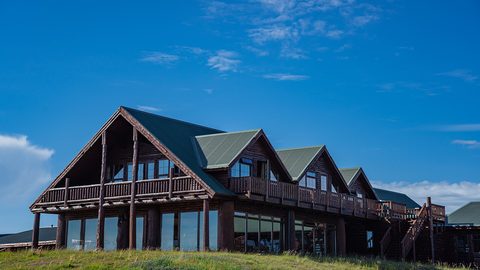
 Iceland Accommodation Types from Farm Stays to Hostels
A hotel in rural Iceland rarely means what it means elsewhere. The real differences between guesthouses, farm stays, hostels and campsites before you book.
Iceland Accommodation Types from Farm Stays to Hostels
A hotel in rural Iceland rarely means what it means elsewhere. The real differences between guesthouses, farm stays, hostels and campsites before you book.
-
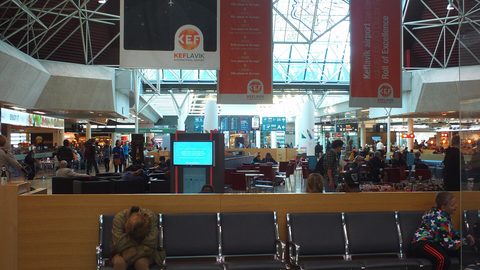 Keflavik Airport Flights Transfers and Iceland Domestic Routes
Keflavík to Reykjavík has no train. Flybus, taxi costs, rental car pickup, and when a domestic flight from Reykjavík City Airport saves a day of driving.
Keflavik Airport Flights Transfers and Iceland Domestic Routes
Keflavík to Reykjavík has no train. Flybus, taxi costs, rental car pickup, and when a domestic flight from Reykjavík City Airport saves a day of driving.
-
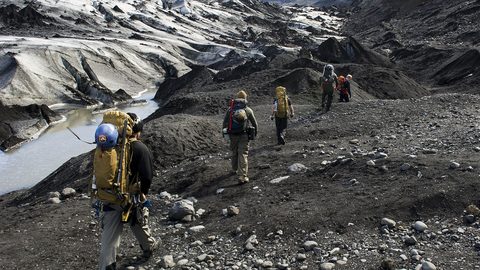 Iceland Experiences Worth Booking and Those That Depend on Weather
Some Iceland experiences vanish if you don't book weeks ahead. Silfra, ice caves, and Landmannalaugar huts sell out. Waterfalls and beaches just need you to show up.
Iceland Experiences Worth Booking and Those That Depend on Weather
Some Iceland experiences vanish if you don't book weeks ahead. Silfra, ice caves, and Landmannalaugar huts sell out. Waterfalls and beaches just need you to show up.
-
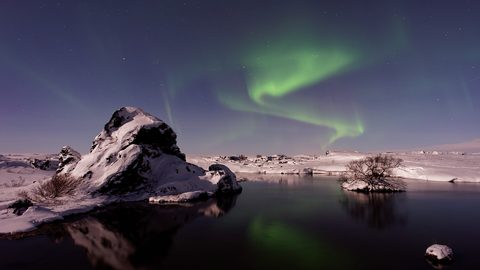 Best Time to Visit Iceland Month by Month With Daylight Hours
Iceland changes radically by month. This calendar covers daylight hours, road openings, puffin season, northern lights windows, and the two summer weekends that book out nationwide.
Best Time to Visit Iceland Month by Month With Daylight Hours
Iceland changes radically by month. This calendar covers daylight hours, road openings, puffin season, northern lights windows, and the two summer weekends that book out nationwide.
-
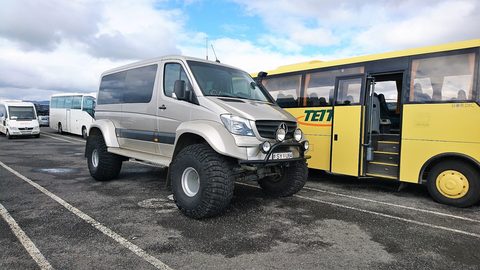 Getting Around Iceland by Car F-Roads Wind and Road.is
Driving Iceland means understanding F-road legality, reading road.is, and respecting wind that can rip a door off its hinges. This guide covers what rental agencies won't tell you.
Getting Around Iceland by Car F-Roads Wind and Road.is
Driving Iceland means understanding F-road legality, reading road.is, and respecting wind that can rip a door off its hinges. This guide covers what rental agencies won't tell you.
-
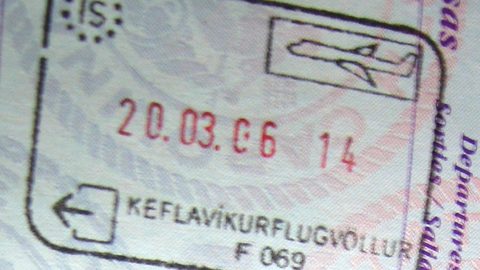 Iceland Schengen Visa Rules and the Upcoming ETIAS Requirement
Iceland is in the Schengen Area but not the EU customs union. Here is exactly what you need at Keflavík passport control, including the new ETIAS pre-authorisation.
Iceland Schengen Visa Rules and the Upcoming ETIAS Requirement
Iceland is in the Schengen Area but not the EU customs union. Here is exactly what you need at Keflavík passport control, including the new ETIAS pre-authorisation.
-
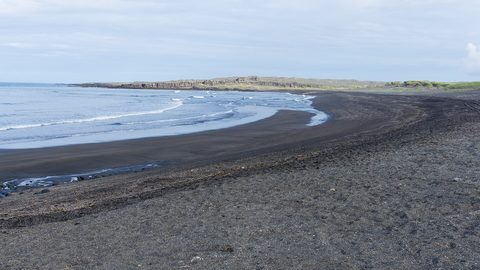 South Iceland
How to drive Iceland's South Coast from Seljalandsfoss to Skaftafell, with honest timings, parking logistics, and the stops worth pulling over for.
South Iceland
How to drive Iceland's South Coast from Seljalandsfoss to Skaftafell, with honest timings, parking logistics, and the stops worth pulling over for.
-
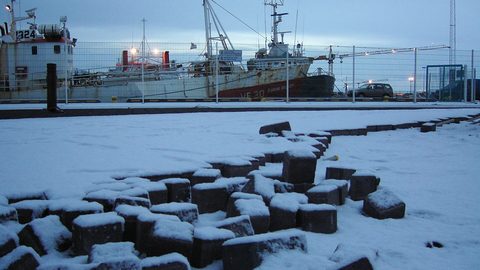 Capital Region
How to spend your arrival and departure days in Reykjavík, from the Miðborg walking loop to Vesturbær's local pools and the domestic airport at RKV.
Capital Region
How to spend your arrival and departure days in Reykjavík, from the Miðborg walking loop to Vesturbær's local pools and the domestic airport at RKV.
-
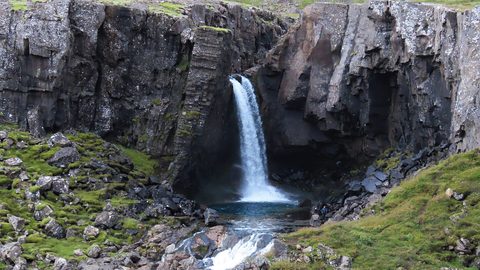 East Iceland
How to drive Iceland's Eastfjords from Höfn to Egilsstaðir, with stops at Vestrahorn, Stuðlagil Canyon, and the puffin colony at Borgarfjörður Eystri.
East Iceland
How to drive Iceland's Eastfjords from Höfn to Egilsstaðir, with stops at Vestrahorn, Stuðlagil Canyon, and the puffin colony at Borgarfjörður Eystri.