A Quick Stop at Goðafoss, the Waterfall of the Gods
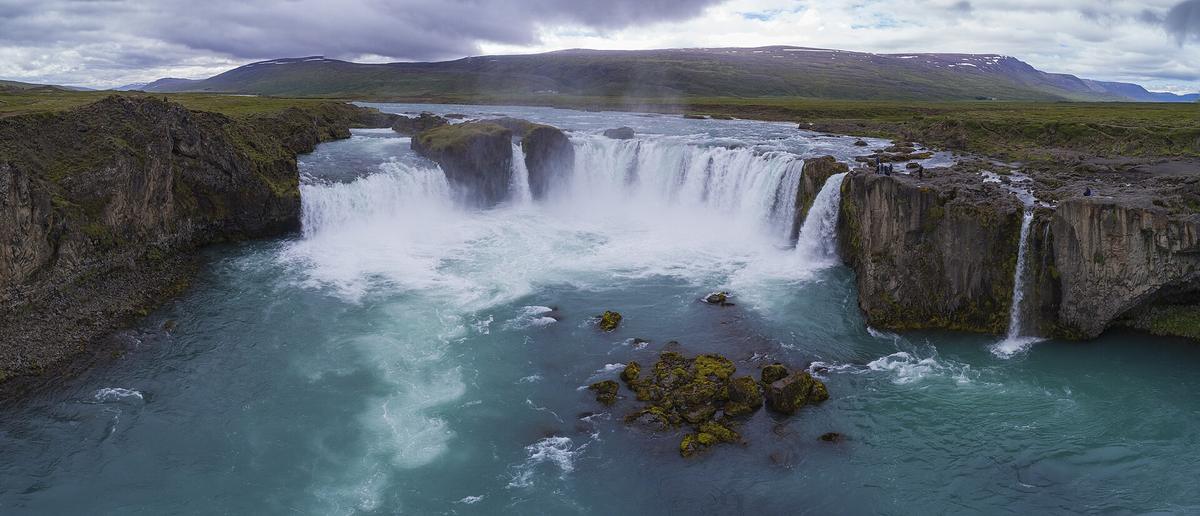
Goðafoss is a wide horseshoe waterfall you can see from both banks in 30 minutes, with a café on the west side and a closer edge on the east.

A Quick Stop at Goðafoss, the Waterfall of the Gods
Pull off Route 1 just east of the bridge. The wind will shake the car door as you crack it open, and the roar of Skjálfandafljót river drowns the radio before you turn the key out. This is the fastest major waterfall stop on the Ring Road. Move deliberately and you can hit both banks in under half an hour.
- Height: 12 m
- Width: Approx. 30 m
- River: Skjálfandafljót
- Road: Route 1 (Ring Road)
- Distance from Akureyri: Approx. 45 km east
- Distance from Lake Mývatn: Approx. 50 km west
- Visit Duration (One Side): 20, 30 minutes
- Visit Duration (Both Sides): 45, 60 minutes
- Walking Time Between Banks: 10, 15 minutes each way via road bridge
- Footbridge at Falls: None; crossing requires driving or walking via Route 1 bridge
- Winter Access: Route 1 maintained and plowed; parking areas may be snow-covered or icy
Which Bank to Pick for a 30 Minute Stop
Each bank serves a different purpose. Choose the side that matches your time and your camera lens.
West Bank for the Classic View and Facilities
Park at 65.6830° N, 17.5503° W. This is the side with the café and toilets. The toilets require a fee, 200 to 300 ISK, and you will need a card or coins. The west bank gives you a closer, more dramatic frontal view of the 30 metre horseshoe. You stand almost level with the plunge pool, spray hitting your face, and the full width of the falls fills your frame. The path is short, flat, and takes five minutes to walk from the car park to the edge. Choose this side for the postcard shot and a coffee before getting back on the road.
East Bank for the Panoramic Perspective
Park at 65.6840° N, 17.5360° W. The east bank has a proper viewing platform, elevated footpaths, and no toilets. You look down across the full arc of the falls from above. The perspective is wider, less intense, and better for a landscape orientation shot that shows the river bending away. The platform is secure and the path is well maintained, but in winter the ice builds up here faster than on the west side. Bring crampons or microspikes from November through March. The east bank also holds the historical plaque.
The History That Gives the Falls Its Name
Read the plaque on the east bank. It tells the story of Þorgeir Ljósvetningagoði, the lawspeaker who, in the year 1000 (or 999 by some sources), threw statues of Norse gods into these falls after declaring Christianity the official religion of Iceland. The primary source is the Íslendingabók, written by Ari Þorgilsson around 1122 to 1133, over a century after the event. Historians treat it as a foundational narrative, not a contemporary eyewitness account. The story is the reason the waterfall is called Goðafoss, the Waterfall of the Gods. It takes sixty seconds to read the plaque. Do it while you are on the east bank, then walk the ten to fifteen minutes across the Route 1 bridge to the west side for the closer view if you have the time.
Winter Reality and Practical Hacks
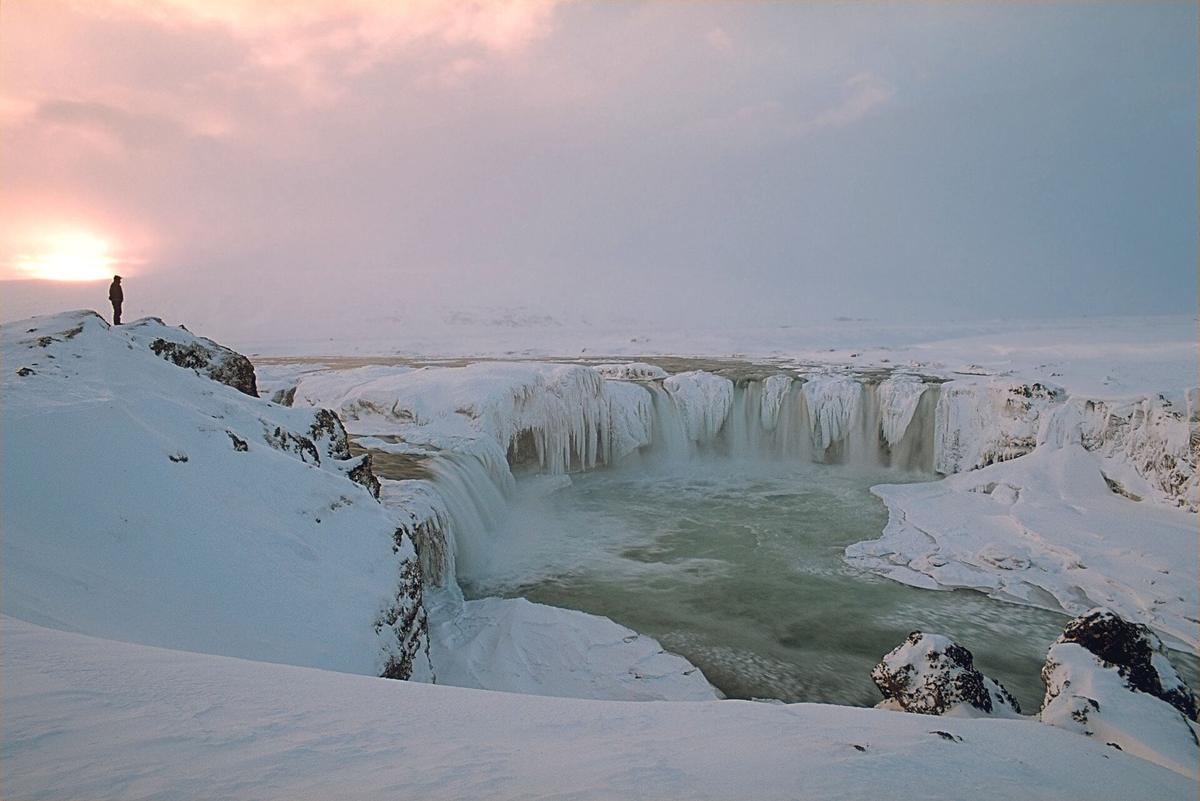
Goðafoss does not freeze solid. The spray freezes onto the rocks and the viewing platforms, turning them into sheets of black ice. The waterfall itself keeps running. If you visit between November and March, pack microspikes or crampons in the car. The parking areas on both banks get snow covered, and the Ring Road maintenance crews plow the main road but not the car parks. Arrive with the wind at your back. Park facing into the wind so the car door does not rip off its hinges when you open it. Hold the door with one hand and grab your camera with the other.
Timing and the Walk Between Banks
Time your stop for daylight. In late December and January, you have four to five hours of usable light. Goðafoss is 45 minutes east of Akureyri and 50 minutes west of Lake Mývatn, so slot it as a mid drive break between those two bases. The walk between banks via the Route 1 bridge takes ten to fifteen minutes each way, which adds up to thirty minutes of walking if you do both sides. Budget for that. If you only have thirty minutes total, pick one bank and commit.

Who This Stop Suits and Who Should Skip it
This stop suits solo road trippers moving fast, landscape photographers who want both the wide and the close shot, and anyone driving the Ring Road who needs to break the wheel time with a reliable five minute walk to a major waterfall. It suits travellers who prefer nature over urban culture and who understand that Iceland is raw, lunar, and expensive, with little between you and the elements once you leave Reykjavík.
Skip Goðafoss if you are a budget backpacker who needs free toilets, if driving in whiteout conditions stresses you, or if you are doing the entire Ring Road in five to six days and skipping every detour. You will not have the time to do it justice and you will resent the stop.
Common Questions
Which side of Goðafoss has the better view?
The west bank gives a closer, more dramatic frontal view of the falls. The east bank offers an elevated panoramic view from a viewing platform. Pick the west bank for the postcard shot, the east bank for the wider perspective.
Which side has easier parking?
Both banks have dedicated parking areas off Route 1. The west bank parking is at 65.6830° N, 17.5503° W. The east bank parking is at 65.6840° N, 17.5360° W. Neither is difficult, but in winter both can be snow covered or icy.
Can you walk between the two banks?
Yes, but there is no footbridge at the falls. You must walk or drive across the Route 1 bridge, which takes 10 to 15 minutes each way.
Are there toilets at Goðafoss?
The west bank has toilets that require a fee of 200 to 300 ISK, payable by card or coin. The east bank has no toilets.
Is Goðafoss accessible in winter?
Route 1 is maintained and plowed, but parking areas may be snow covered or icy. The falls do not freeze solid, but the spray creates ice on the rocks and viewing platforms. Bring crampons or microspikes from November through March.
How much time do you need at Goðafoss?
20 to 30 minutes for one side. 45 to 60 minutes if you visit both banks. Thirty minutes is enough to see one bank and read the historical plaque.
What is the historical plaque about?
It tells the story of lawspeaker Þorgeir Ljósvetningagoði, who threw statues of Norse gods into the falls in 1000 AD after declaring Christianity the official religion of Iceland. The event is recorded in the Íslendingabók, written around 1122 to 1133.
Read next
-
 Lake Myvatn
A Mývatn day loop takes you from pseudocraters to boiling mud pots and ends at the geothermal nature baths, with fewer crowds than the Blue Lagoon.
Lake Myvatn
A Mývatn day loop takes you from pseudocraters to boiling mud pots and ends at the geothermal nature baths, with fewer crowds than the Blue Lagoon.
-
 Husavik Whale Watching
Húsavík whale watching success rates peak in midsummer when humpbacks dominate the fjord, but the month you visit changes the species you are likely to see.
Husavik Whale Watching
Húsavík whale watching success rates peak in midsummer when humpbacks dominate the fjord, but the month you visit changes the species you are likely to see.
-
 Akureyri
Plan your time in Akureyri with a guide that covers the town’s best cafes and gardens, plus day trips to the whale coast and Lake Mývatn.
Akureyri
Plan your time in Akureyri with a guide that covers the town’s best cafes and gardens, plus day trips to the whale coast and Lake Mývatn.
-
 Iceland Accommodation Types from Farm Stays to Hostels
A hotel in rural Iceland rarely means what it means elsewhere. The real differences between guesthouses, farm stays, hostels and campsites before you book.
Iceland Accommodation Types from Farm Stays to Hostels
A hotel in rural Iceland rarely means what it means elsewhere. The real differences between guesthouses, farm stays, hostels and campsites before you book.
-
 Where to Stay in Iceland for a Ring Road Road Trip
On an Iceland lap, the road decides where you sleep. Which bases break the Ring Road into sensible chunks, and where inventory runs dangerously low in July.
Where to Stay in Iceland for a Ring Road Road Trip
On an Iceland lap, the road decides where you sleep. Which bases break the Ring Road into sensible chunks, and where inventory runs dangerously low in July.
-
 Keflavik Airport Flights Transfers and Iceland Domestic Routes
Keflavík to Reykjavík has no train. Flybus, taxi costs, rental car pickup, and when a domestic flight from Reykjavík City Airport saves a day of driving.
Keflavik Airport Flights Transfers and Iceland Domestic Routes
Keflavík to Reykjavík has no train. Flybus, taxi costs, rental car pickup, and when a domestic flight from Reykjavík City Airport saves a day of driving.
-
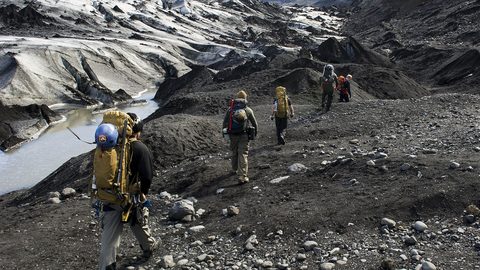 Iceland Experiences Worth Booking and Those That Depend on Weather
Some Iceland experiences vanish if you don't book weeks ahead. Silfra, ice caves, and Landmannalaugar huts sell out. Waterfalls and beaches just need you to show up.
Iceland Experiences Worth Booking and Those That Depend on Weather
Some Iceland experiences vanish if you don't book weeks ahead. Silfra, ice caves, and Landmannalaugar huts sell out. Waterfalls and beaches just need you to show up.
-
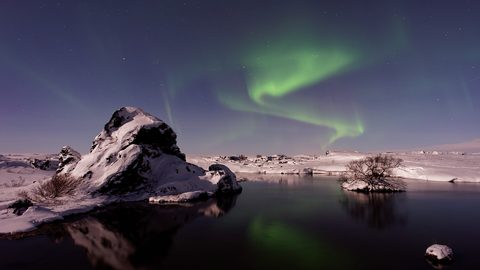 Best Time to Visit Iceland Month by Month With Daylight Hours
Iceland changes radically by month. This calendar covers daylight hours, road openings, puffin season, northern lights windows, and the two summer weekends that book out nationwide.
Best Time to Visit Iceland Month by Month With Daylight Hours
Iceland changes radically by month. This calendar covers daylight hours, road openings, puffin season, northern lights windows, and the two summer weekends that book out nationwide.
-
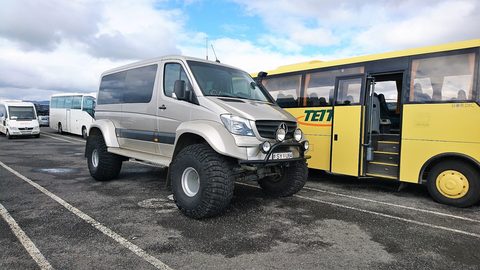 Getting Around Iceland by Car F-Roads Wind and Road.is
Driving Iceland means understanding F-road legality, reading road.is, and respecting wind that can rip a door off its hinges. This guide covers what rental agencies won't tell you.
Getting Around Iceland by Car F-Roads Wind and Road.is
Driving Iceland means understanding F-road legality, reading road.is, and respecting wind that can rip a door off its hinges. This guide covers what rental agencies won't tell you.