Driving in Iceland: Rental Cars, F-Road Rules, and Reading the Conditions
Driving Iceland means understanding F-road legality, reading road.is, and respecting wind that can rip a door off its hinges. This guide covers what rental agencies won't tell you.
Google Maps Will Send You Onto an F-Road Without Warning
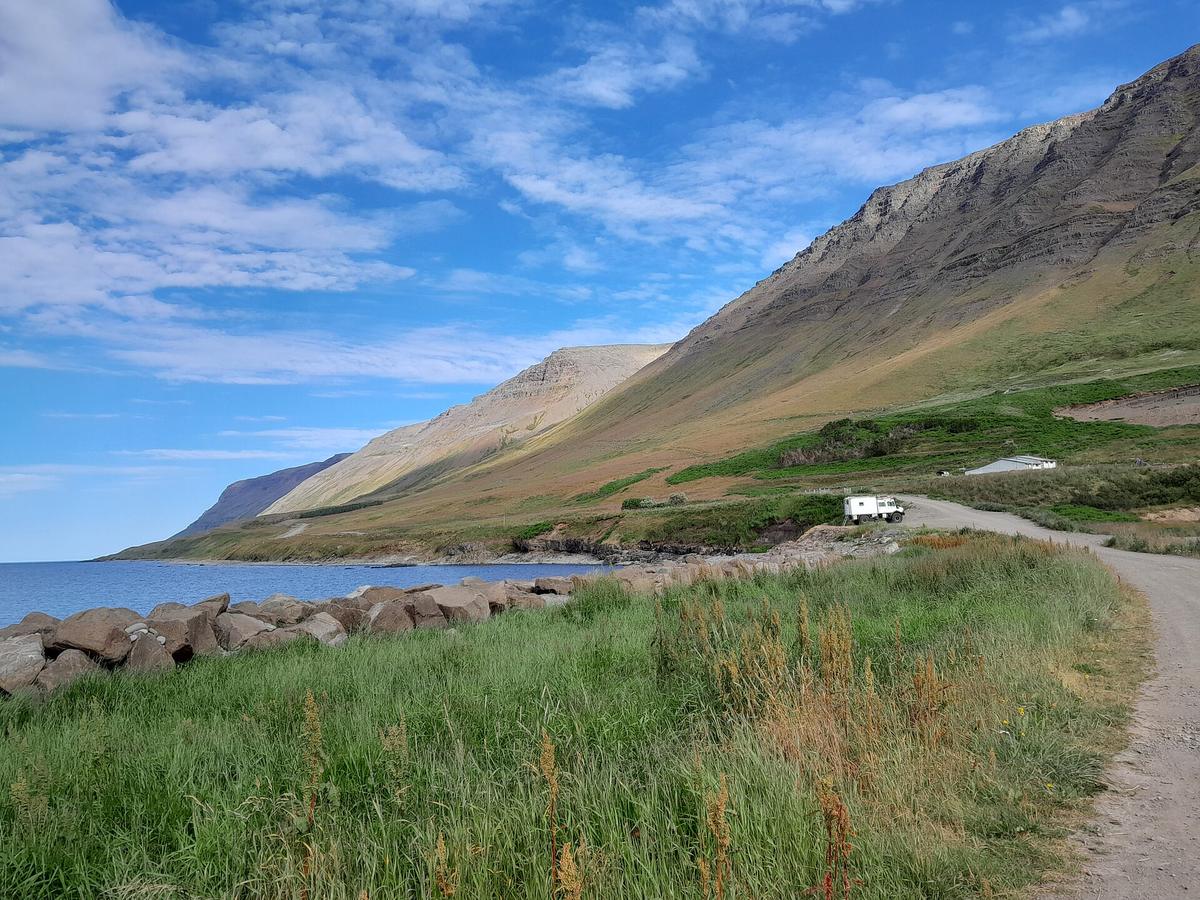
Type a destination into Google Maps in Iceland and it routes you onto a road marked with an F. That road is a mountain track. It crosses unbridged glacial rivers. Your 2WD rental car is illegal on it. Uninsured on it. It will likely get stuck or damaged. This is the single most common mistake drivers make. The fix: turn off Google Maps for route planning. Use road.is combined with a dedicated GPS app like Maps.Me or an offline map that distinguishes F-roads from paved ones. F-roads require a 4x4 by law, not by recommendation. Standard hire car insurance excludes water damage from river crossings. If you drive a 2WD onto an F-road and the engine floods, you pay the full replacement cost.
How to Read Road.is Colour Codes Before You Drive
Decoding the Colours
Road.is is the official Icelandic road condition site. Refresh it every morning before you drive. The colour codes are literal: green means clear, orange means spots of ice, light blue means slippery, dark blue means wet or slushy, white means snow, red means impassable, and purple means no winter service. If you see red or purple on your planned route, do not go. The site updates in real time and shows webcam feeds at key passes.
Wind and Your Vehicle
Compare road.is with vedur.is for wind speed. If vedur.is shows gusts above 20 m/s on a mountain pass you need to cross, reconsider your timing. Wind in Iceland can flip a campervan. It can rip a car door off its hinges. Always park facing into the wind and hold the door with two hands when opening it.

The Fuel Pump Trap: Chip and PIN Only
Rural petrol stations are unmanned after 18:00 and many are 24-hour self-service with no attendant. Every pump requires a chip-and-PIN credit card with a 4-digit PIN. Signature-only cards are rejected. If your card fails, you cannot fuel. The workaround: buy a prepaid fuel card at N1, Orkan, or Olís stations during staffed hours. Keep the tank above half at all times. The next station may be 80 km away, closed, or sold out. Diesel and 95 octane petrol are the two available fuels. Electric vehicle chargers use Type 2 and CCS connectors and are available at N1, Orkan, Ísorka, and ON Power stations, but rural coverage is thin.
Insurance Exclusions That Cost Travellers Thousands
Gravel, Water, and Wind Damage
Standard rental car insurance in Iceland is not enough. Three exclusions catch travellers repeatedly. First, gravel damage. Loose chippings on gravel roads chip paint and crack windshields. Most basic insurance excludes this. Add Gravel Protection (GP) or the equivalent. Second, water damage from river crossings is always excluded. If you cross a river in a 4x4 and water enters the engine, the repair is your cost. Third, wind damage. Doors caught by gusts and bent backwards are the most common insurance claim in Iceland. Sand and Ash Protection (SAAP) covers this.
What to Buy at the Rental Desk
Ask your rental company for both GP and SAAP. They cost a few thousand krónur per day combined. That is cheaper than a single windshield replacement at ISK 150,000.
4x4 is a Legal Requirement on F-Roads, Not a Comfort Upgrade
Where You Need a 4x4
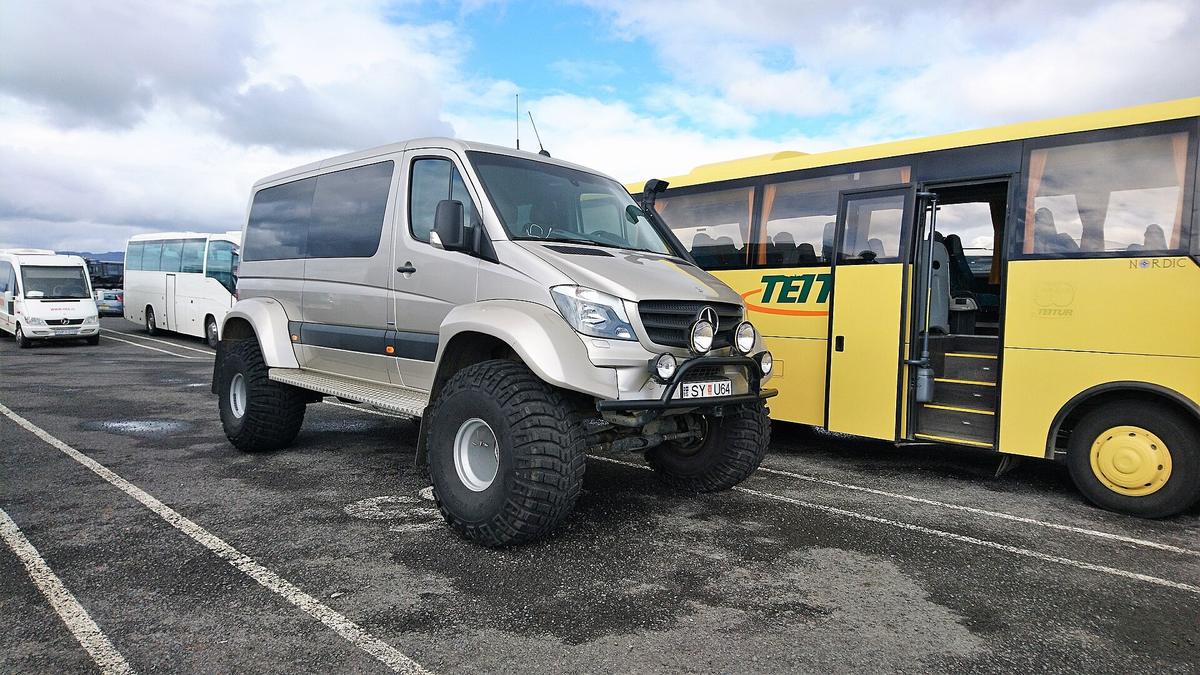
You do not need a 4x4 for the Ring Road, which is Route 1 and fully paved. You do not need one for paved roads or gravel roads that lack the F prefix. You need a 4x4 for any road with an F prefix, such as F26 or F35. This includes the Highlands, which open only from mid-June to mid-September. A 2WD is illegal on those roads.
Licence Rules and Road Laws
The minimum rental age for a 4x4 is 23 years. For a passenger car it is 20 years. You must have held your full valid driving licence for at least 12 months. Drive on the right. Headlights must be on at all times, 24 hours a day. Seatbelts are mandatory in every seat. Blood alcohol limit is 0.05%. Speed limits: 50 km/h in urban areas, 90 km/h on rural paved roads, 80 km/h on gravel roads. Speeding fines start at 6 km/h over the limit and range from ISK 30,000 to ISK 150,000. Fixed speed cameras are in tunnels, and mobile units patrol elsewhere.

Driving the Single Lane Bridges and Gravel Roads
Single lane bridges are marked with an "Einbreið brú" sign: a white M on a blue background. The vehicle closer to the bridge has right of way. Yield if you are farther. Gravel roads reduce traction. The paved road limit of 90 km/h drops to 80 km/h on gravel, but drive slower on loose chippings. Blind rises, where the road crests a hill with no forward visibility, are common on both paved and gravel roads. Slow down before every crest. Studded tyres are legal from 1 November to 14 April, and can be used outside that window if conditions require them.
Who Should Drive Iceland’s Ring Road and Highland F-Roads
Iceland’s Ring Road and highland F-roads suit solo road trippers, landscape photographers, geology nerds, adventure motorcyclists, and travellers who prefer nature over urban culture. You need a minimum of 7 days to do more than the Reykjavík area. Peak season is June to August when all highland roads open. Avoid late December to January for anything beyond Reykjavík. Avoid the first week of August, when Verslunarmannahelgi fills rural campsites. These roads are not for budget backpackers, nightlife seekers, structured itinerary travellers, or anyone who finds driving in whiteout conditions stressful. The single thing that most often goes wrong: driving on an F-road without a 4x4 because Google Maps did not warn you.
Common Questions
What happens if Google Maps routes me onto an F-road?
You are on an unpaved mountain road with river crossings. Your 2WD is illegal and uninsured on that road. Turn around as soon as you see the F prefix and reroute using road.is or a dedicated map app that marks F-roads separately.
Can I use a contactless credit card without a PIN at unmanned fuel pumps?
No. Unmanned pumps require a chip-and-PIN card with a 4 digit PIN. Contactless-only and signature-only cards are rejected. Buy a prepaid fuel card at a staffed N1, Orkan, or Olís station as a backup.
How do I know if a road is safe to drive in winter?
Check road.is for colour codes. Green is clear. Red is impassable. Purple means no winter service. Check vedur.is for wind gusts above 20 m/s. If both show problems, do not drive that route that day. Expect 4 to 5 hours of daylight from late December to January.
What is the most common insurance claim in Iceland?
Wind damage. A gust catches the open car door and bends it backwards against the hinge. Always park facing into the wind and hold the door with two hands. Buy Sand and Ash Protection (SAAP) from your rental company to cover this.
Read next
-
 Iceland Accommodation Types from Farm Stays to Hostels
A hotel in rural Iceland rarely means what it means elsewhere. The real differences between guesthouses, farm stays, hostels and campsites before you book.
Iceland Accommodation Types from Farm Stays to Hostels
A hotel in rural Iceland rarely means what it means elsewhere. The real differences between guesthouses, farm stays, hostels and campsites before you book.
-
 Where to Stay in Iceland for a Ring Road Road Trip
On an Iceland lap, the road decides where you sleep. Which bases break the Ring Road into sensible chunks, and where inventory runs dangerously low in July.
Where to Stay in Iceland for a Ring Road Road Trip
On an Iceland lap, the road decides where you sleep. Which bases break the Ring Road into sensible chunks, and where inventory runs dangerously low in July.
-
 Keflavik Airport Flights Transfers and Iceland Domestic Routes
Keflavík to Reykjavík has no train. Flybus, taxi costs, rental car pickup, and when a domestic flight from Reykjavík City Airport saves a day of driving.
Keflavik Airport Flights Transfers and Iceland Domestic Routes
Keflavík to Reykjavík has no train. Flybus, taxi costs, rental car pickup, and when a domestic flight from Reykjavík City Airport saves a day of driving.
-
 Iceland Experiences Worth Booking and Those That Depend on Weather
Some Iceland experiences vanish if you don't book weeks ahead. Silfra, ice caves, and Landmannalaugar huts sell out. Waterfalls and beaches just need you to show up.
Iceland Experiences Worth Booking and Those That Depend on Weather
Some Iceland experiences vanish if you don't book weeks ahead. Silfra, ice caves, and Landmannalaugar huts sell out. Waterfalls and beaches just need you to show up.
-
 Best Time to Visit Iceland Month by Month With Daylight Hours
Iceland changes radically by month. This calendar covers daylight hours, road openings, puffin season, northern lights windows, and the two summer weekends that book out nationwide.
Best Time to Visit Iceland Month by Month With Daylight Hours
Iceland changes radically by month. This calendar covers daylight hours, road openings, puffin season, northern lights windows, and the two summer weekends that book out nationwide.
-
 Iceland Schengen Visa Rules and the Upcoming ETIAS Requirement
Iceland is in the Schengen Area but not the EU customs union. Here is exactly what you need at Keflavík passport control, including the new ETIAS pre-authorisation.
Iceland Schengen Visa Rules and the Upcoming ETIAS Requirement
Iceland is in the Schengen Area but not the EU customs union. Here is exactly what you need at Keflavík passport control, including the new ETIAS pre-authorisation.
-
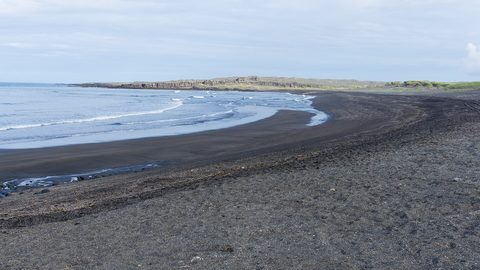 South Iceland
How to drive Iceland's South Coast from Seljalandsfoss to Skaftafell, with honest timings, parking logistics, and the stops worth pulling over for.
South Iceland
How to drive Iceland's South Coast from Seljalandsfoss to Skaftafell, with honest timings, parking logistics, and the stops worth pulling over for.
-
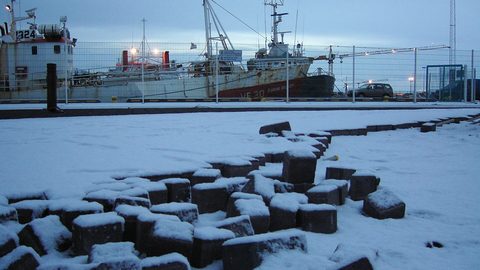 Capital Region
How to spend your arrival and departure days in Reykjavík, from the Miðborg walking loop to Vesturbær's local pools and the domestic airport at RKV.
Capital Region
How to spend your arrival and departure days in Reykjavík, from the Miðborg walking loop to Vesturbær's local pools and the domestic airport at RKV.
-
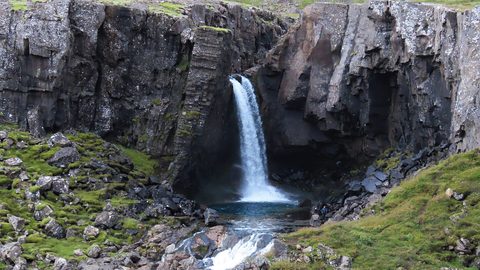 East Iceland
How to drive Iceland's Eastfjords from Höfn to Egilsstaðir, with stops at Vestrahorn, Stuðlagil Canyon, and the puffin colony at Borgarfjörður Eystri.
East Iceland
How to drive Iceland's Eastfjords from Höfn to Egilsstaðir, with stops at Vestrahorn, Stuðlagil Canyon, and the puffin colony at Borgarfjörður Eystri.