Which Iceland Tours and Activities Are Actually Worth It
Some Iceland experiences vanish if you don't book weeks ahead. Silfra, ice caves, and Landmannalaugar huts sell out. Waterfalls and beaches just need you to show up.
Which Iceland Tours and Activities Are Actually Worth it
The single most expensive mistake you can make in Iceland is assuming you can show up and book anything worth doing. Silfra snorkelling sells out two weeks ahead. Ice cave tours vanish by mid-September for the entire winter. Blue Lagoon timed slots are booked solid in June and July. Landmannalaugar huts are reserved twelve months out. The traveller who arrives without bookings spends their holiday staring at waterfalls from a parking lot and wondering why everyone else is inside a glacier. Every major experience in Iceland sorts into two groups: book weeks ahead or book a day before. It also pays to know which tours will refund you when the weather blows in, because it will.
The rule is simple. Anything that requires a guide, a permit, a timed slot, or a dry suit must be booked before you land. Anything that involves standing in front of falling water does not. Iceland punishes the spontaneous traveller at its best experiences. Miss the booking window and you miss the thing entirely.

Book Weeks Ahead or Risk Missing Them
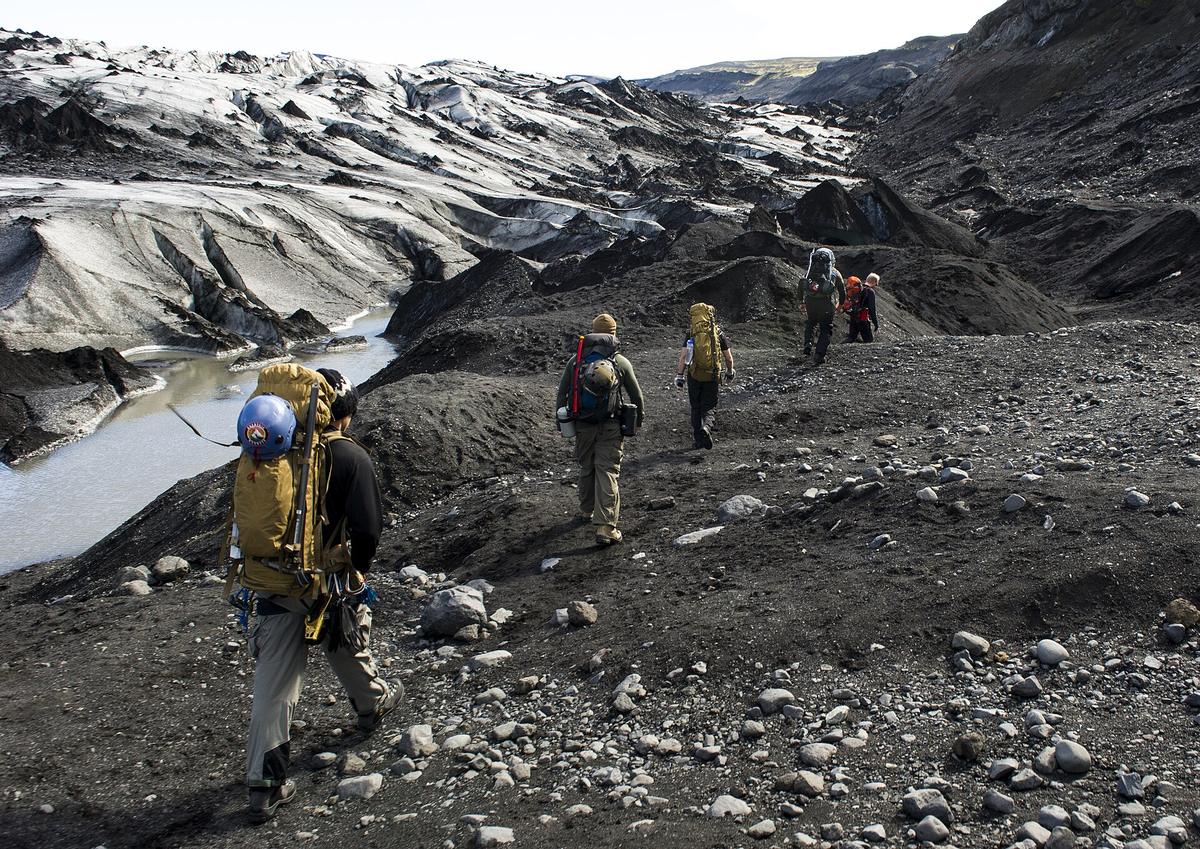
These are the experiences that sell out days or weeks in advance. If your itinerary includes any of them, book the moment your flights are confirmed.
Snorkel Silfra
This is the only place on earth where you float between two tectonic plates in water clear enough to see 120 metres. The catch: each daily slot is capped, the dry suits are limited, and the season runs year-round. Book at least two weeks ahead in summer. Dive.is and Arctic Adventures run the standard tours, priced at 18,000 to 25,000 ISK for two to three hours including briefing and changing. Minimum age is 12. No certification needed. You sign a medical statement, you zip into the suit, you float in 2-degree water between North America and Europe. Do not arrive in Iceland hoping for a last-minute spot. It will not happen.
Ice Cave Tours
Natural ice caves inside Vatnajökull exist only from mid-October to late March. They are accessible only by super-jeep from Jökulsárlón or Skaftafell. No guide means no entry. The caves melt and reform annually, so the exact location shifts each winter. Tour operators like Local Guide of Vatnajökull charge 20,000 to 35,000 ISK for two to four hours. Minimum age is 8. Book weeks ahead. These tours also cancel in heavy rain or thaw, and the operators refund fully when they do, which is good because the cave can be gone by lunchtime if the temperature spikes.
Blue Lagoon
The most famous geothermal pool in Iceland is also the most overpriced and crowded. It costs 15,000 to 25,000 ISK for a Comfort ticket. It is a 20-minute drive from Keflavík Airport. It is runoff from a geothermal power plant. You cannot walk in without a timed ticket. Book it, but know that the experience is a tourist assembly line. The water is 37 to 40 degrees. It is fine. If you want a better lagoon for less money, skip it and go to Sky Lagoon in Kópavogur for 10,000 to 18,000 ISK with a seven-step ritual and an ocean view, or drive to the Secret Lagoon in Flúðir for 3,500 ISK with no booking required. Mývatn Nature Baths in the north costs 7,000 ISK, requires no booking, and has fewer people. GeoSea in Húsavík costs 7,500 ISK, is geothermal seawater, and has an infinity edge over the Arctic. Blue Lagoon is worth exactly one visit if you have a layover at KEF. Otherwise it is a luxury brand, not a natural wonder.
Landmannalaugar Huts and Bus Tickets
The rhyolite mountains of the highlands are accessible only from mid-June to mid-September. The hut sleeps about 40 people and books out months ahead. If you are not staying in the hut, the bus from Reykjavík runs on the Reykjavík Excursions and Sterna schedules; those tickets also sell out. The natural hot spring at Landmannalaugar is free and requires no booking, but you will not get there if you have no seat on the bus.
Friðheimar Lunch
The tomato greenhouse restaurant on the Golden Circle serves lunch in a geodesic dome surrounded by tomato vines. You eat tomato soup, bread, and a bottomless bowl of cucumber salad. It is a 30-minute detour from Geysir. The place seats about 40 people at a time. It is booked solid in summer. You cannot just show up. Book it when you book Silfra.
Zodiac Tours at Jökulsárlón
The amphibian boats at the glacier lagoon are walk-up friendly in summer. The Zodiacs, which get you close to the icebergs and the glacier face, book days ahead. They cost 6,000 to 10,000 ISK for 30 to 60 minutes. The season runs April to October. Book the Zodiac, not the amphibian, if you want the better experience.
Book a Day Before and You Will Be Fine
These experiences almost always have availability, but you should book the night before because the tour needs a minimum headcount and the weather may shift the schedule.
Whale Watching from Húsavík
Húsavík runs March to November and claims a 97 to 99 percent success rate for sightings in summer. Humpback, minke, blue, fin, white-beaked dolphin, harbour porpoise. The boats are 12,000 to 18,000 ISK for two to three and a half hours. You can walk up to the dock and find a spot in June, but the prime morning tours fill earlier. The weather factor: cancelled in winds over 15 metres per second. Reykjavík whale watching is less reliable and less scenic. Pay the extra fuel to drive north.
Glacier Hikes
Self-guided glacier travel is illegal. You must go with a licensed guide. Sólheimajökull and Vatnajökull outlets run tours all year. Icelandic Mountain Guides, Arctic Adventures, and Troll Expeditions charge 12,000 to 25,000 ISK for three to four hours. Minimum age is 8 to 10. The hike runs in most weather and cancels only in extreme wind. You can book two days ahead and find a spot, but the earliest morning slot goes first. Book the 08:00 departure to avoid the afternoon crowds and the melt slush.
Inside the Volcano (Þríhnúkagígur)
You descend 120 metres into a magma chamber that has not erupted in thousands of years. It is one of the few places on earth where you can stand inside a cooled volcanic conduit. Tours are expensive and run May through September. They have limited daily capacity but rarely sell out weeks ahead. Book two days out. The bigger risk is weather: if the wind at the crater rim hits a certain speed, the elevator does not run and you get a refund.
Just Show Up. No Booking Needed.
The vast majority of Iceland's waterfalls, geothermal areas, and viewpoints require no planning beyond a full tank of fuel and a weather check.
Gullfoss, Skógafoss, and Seljalandsfoss are free. Reynisfjara black sand beach is free and open 24 hours. Goðafoss is a 20-second walk from the Ring Road parking lot. Dettifoss, Europe's most powerful waterfall by volume, is free and requires a 30-minute bumpy drive on the east side gravel road. Geysir is free. Hverir geothermal area near Mývatn is free. Diamond Beach across from Jökulsárlón is free. All of these you can see at 11 pm under the midnight sun or at 11 am in a hailstorm. None of them close.
Reykjavík's Public Pools
Laugardalslaug, Sundhöllin, and Vesturbæjarlaug cost 1,300 to 1,600 ISK for entry. No booking. Open 06:30 to 22:00 weekdays, shorter weekends. The Laugardalslaug pool has a 50-metre outdoor lane, a steam bath, and hot pots at 36 to 44 degrees. It is the best cultural experience in the city and costs less than a beer in a bar.
Free Natural Hot Springs
Reykjadalur is a 3-kilometre hike from Hveragerði to a river that sits at 36 to 40 degrees. Seljavallalaug is a 25-metre concrete pool that runs 20 to 30 degrees depending on season. Hrunalaug charges a small fee and sits on private land. Landmannalaugar's natural pool is free with access to the area. None of these require a reservation. Check road.is before you drive, and accept that the water temperature can fluctuate wildly.
The single exception to the show-up rule at natural sites is parking. Þingvellir charges 750 ISK per vehicle at P1 and P5. Skaftafell charges the same. Seljalandsfoss requires the Parka app for payment. Skógafoss has a pay lot. Kirkjufell's parking lot fills by 10 am in summer. If you want an empty view of Kirkjufell, arrive at 07:00 or skip it entirely.

Weather Cancellations Are the Real Itinerary Killer
Every guided activity in Iceland carries a weather cancellation risk. Ice cave tours cancel in heavy rain or thaw. Glacier hikes cancel in extreme wind. Whale watching cancels above 15 metres per second wind. Puffin boats cancel above 12 metres per second. Northern lights tours cancel or rebook if cloud cover exceeds 80 percent. Super-jeep highland trips cancel in river flooding or snow. These are not refund avoiders. Most operators, including Local Guide of Vatnajökull and Arctic Adventures, offer full refunds or free rebooking. The risk is not losing your money. The risk is losing one of your seven days on the ground.
Iceland has four seasons in an hour. A clear sunrise can become a horizontal sleet squall by 10 am. You cannot outrun the weather by driving faster. You can only build slack into your itinerary. If you book a glacier hike for your only full day in the south and the wind pins you in the hotel, you rebuilt nothing. If you book it on day two of four and the weather clears by day three, you swap days. This is why the 7-day minimum matters. A five-day loop of the Ring Road gives you zero margin. One weather cancellation eats a fifth of your trip. With seven days, you have one spare day for the weather to cooperate.
Check vedur.is and road.is together every morning. The first gives you the forecast. The second tells you whether the road to your destination is open, closed, or gravel-wet. Iceland's weather apps are unreliable because the microclimate shifts faster than the satellites refresh. If you want to see the northern lights on your own, you need a clear sky, a Kp index of 2 or higher, and complete darkness, which means you are limited to September through mid-April with no chance May through August. Hiring a tour improves your odds because your guide reads the cloud radar and drives to clear patches. The cost is 8,000 to 15,000 ISK for three to four hours, and most tours offer free rebooking if no aurora appears. The self-drive cost is just fuel, but you lose the hour of daybreak that your guide saves you.
Common Questions
Can I book a glacier hike the day before I want to go?
Yes, for most operators outside peak season. In June through August, book at least two days ahead for the morning departure. The 08:00 slot fills first because it has fewer people and harder ice. The 13:00 slot is softer, slushier, and more crowded.
Do I need to book the Blue Lagoon if I am just passing through Keflavík Airport?
Yes. Blue Lagoon requires a timed ticket. Walk-ups without a reservation are turned away. If you have a long layover, book the Comfort package two weeks ahead. If you do not get a slot, the Sky Lagoon in Kópavogur is closer to the airport bus route and costs less.
What happens if my ice cave tour is cancelled due to rain?
Operators like Local Guide of Vatnajökull provide a full refund or free rebooking to an available date. Ice caves are natural formations that become structurally unstable in heavy rain or thaw. No refund means you chose the wrong operator.
Is the Golden Circle free to drive?
Yes, except for parking. Þingvellir costs 750 ISK per vehicle at P1 and P5. Gullfoss and Geysir have free parking and free entry. Friðheimar lunch requires a booking. Silfra requires a guide and pre-booking. The Golden Circle is not a single attraction. It is a loop of three quite different things.
Can I see the northern lights without a tour?
Yes, if you have a clear sky and a Kp index of 2 or higher, and you are far from city lights. The self-drive cost is fuel. The tour cost is 8,000 to 15,000 ISK for a 3 to 4 hour bus ride with a guide who reads cloud radar. If you self-drive, check vedur.is and pull over on a gravel road away from headlights. Do not park on the Ring Road shoulder. Icelanders will not be kind about it.
Read next
-
 Iceland Accommodation Types from Farm Stays to Hostels
A hotel in rural Iceland rarely means what it means elsewhere. The real differences between guesthouses, farm stays, hostels and campsites before you book.
Iceland Accommodation Types from Farm Stays to Hostels
A hotel in rural Iceland rarely means what it means elsewhere. The real differences between guesthouses, farm stays, hostels and campsites before you book.
-
 Where to Stay in Iceland for a Ring Road Road Trip
On an Iceland lap, the road decides where you sleep. Which bases break the Ring Road into sensible chunks, and where inventory runs dangerously low in July.
Where to Stay in Iceland for a Ring Road Road Trip
On an Iceland lap, the road decides where you sleep. Which bases break the Ring Road into sensible chunks, and where inventory runs dangerously low in July.
-
 Keflavik Airport Flights Transfers and Iceland Domestic Routes
Keflavík to Reykjavík has no train. Flybus, taxi costs, rental car pickup, and when a domestic flight from Reykjavík City Airport saves a day of driving.
Keflavik Airport Flights Transfers and Iceland Domestic Routes
Keflavík to Reykjavík has no train. Flybus, taxi costs, rental car pickup, and when a domestic flight from Reykjavík City Airport saves a day of driving.
-
 Best Time to Visit Iceland Month by Month With Daylight Hours
Iceland changes radically by month. This calendar covers daylight hours, road openings, puffin season, northern lights windows, and the two summer weekends that book out nationwide.
Best Time to Visit Iceland Month by Month With Daylight Hours
Iceland changes radically by month. This calendar covers daylight hours, road openings, puffin season, northern lights windows, and the two summer weekends that book out nationwide.
-
 Getting Around Iceland by Car F-Roads Wind and Road.is
Driving Iceland means understanding F-road legality, reading road.is, and respecting wind that can rip a door off its hinges. This guide covers what rental agencies won't tell you.
Getting Around Iceland by Car F-Roads Wind and Road.is
Driving Iceland means understanding F-road legality, reading road.is, and respecting wind that can rip a door off its hinges. This guide covers what rental agencies won't tell you.
-
 Iceland Schengen Visa Rules and the Upcoming ETIAS Requirement
Iceland is in the Schengen Area but not the EU customs union. Here is exactly what you need at Keflavík passport control, including the new ETIAS pre-authorisation.
Iceland Schengen Visa Rules and the Upcoming ETIAS Requirement
Iceland is in the Schengen Area but not the EU customs union. Here is exactly what you need at Keflavík passport control, including the new ETIAS pre-authorisation.
-
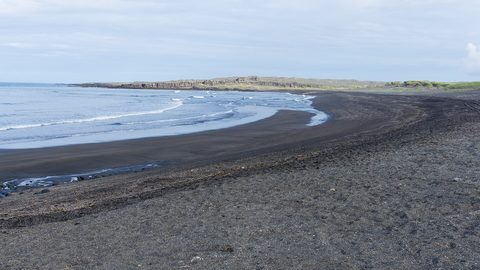 South Iceland
How to drive Iceland's South Coast from Seljalandsfoss to Skaftafell, with honest timings, parking logistics, and the stops worth pulling over for.
South Iceland
How to drive Iceland's South Coast from Seljalandsfoss to Skaftafell, with honest timings, parking logistics, and the stops worth pulling over for.
-
 Capital Region
How to spend your arrival and departure days in Reykjavík, from the Miðborg walking loop to Vesturbær's local pools and the domestic airport at RKV.
Capital Region
How to spend your arrival and departure days in Reykjavík, from the Miðborg walking loop to Vesturbær's local pools and the domestic airport at RKV.
-
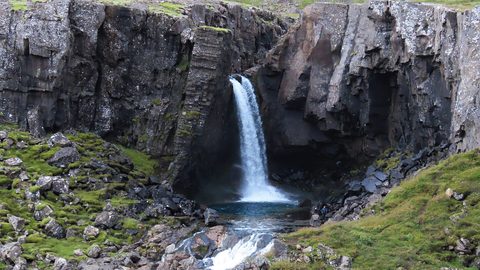 East Iceland
How to drive Iceland's Eastfjords from Höfn to Egilsstaðir, with stops at Vestrahorn, Stuðlagil Canyon, and the puffin colony at Borgarfjörður Eystri.
East Iceland
How to drive Iceland's Eastfjords from Höfn to Egilsstaðir, with stops at Vestrahorn, Stuðlagil Canyon, and the puffin colony at Borgarfjörður Eystri.