How to Spend One Day in the Mývatn Geothermal Area
A Mývatn day loop takes you from pseudocraters to boiling mud pots and ends at the geothermal nature baths, with fewer crowds than the Blue Lagoon.

How to Spend One Day in the Mývatn Geothermal Area
Drive the loop clockwise starting at Skútustaðagígar and you will finish at the Mývatn Nature Baths without backtracking a single kilometre. That is the only sensible order for a day that moves from the lake's southern pseudocraters through a collapsed lava chamber, a geothermal fissure, a sulphur basin, and a volcanic crater. It ends in opaque blue water at 36 to 40 degrees Celsius. The total driving distance between stops is 30 kilometres. You can do it in a long day or a short one. The baths are the reward at the end, not the start.
- Lake Area: 37 km²
- Lake Maximum Depth: 4.5 m
- Skútustaðagígar Pseudocraters: 10 to 15
- Mývatn Nature Baths Water Temperature: 36 to 40 °C
- Mývatn Nature Baths Entry Fee 2024: ISK 6,990
- Blue Lagoon Entry Fee 2024 (Lowest Tier): ISK 8,990
- Midge Peak Season: June to August
Start at the Pseudocraters and Stay Ahead of the Midges
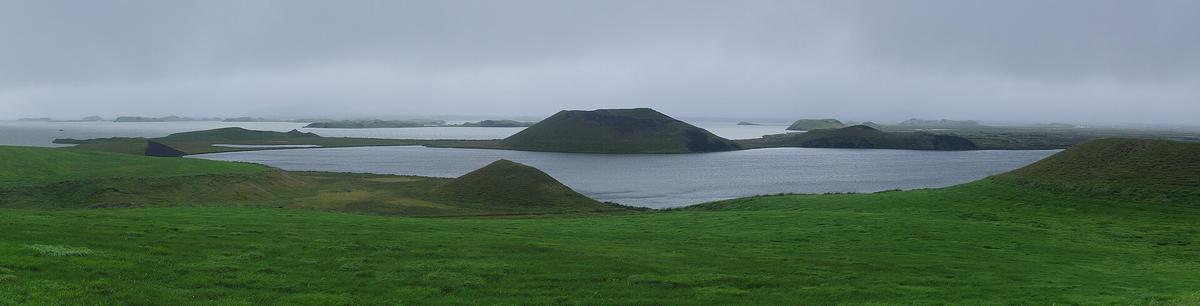
Arrive at Skútustaðagígar by 09:00. The parking lot is small and fills with tour buses by 10:30. The pseudocraters here, roughly 10 to 15 of them, formed when lava flowed over the lake's wetlands and triggered steam explosions. Walk the short gravel path between them in about 20 minutes. The reward is a view across the 37-square-kilometre lake toward the Krafla caldera on the far shore.
Do not linger on the east side of the path. The midges, the non-biting Chironomidae and the biting Simuliidae, swarm in densities that can exceed 100,000 per square metre near water during June, July, and August. The lake's name means Midge Lake for a reason. A head net and long sleeves are not optional in July. They are the difference between a pleasant walk and a miserable one.
Dimmuborgir, Grjótagjá, and Hverir: Three Stops, Three Geologies
Walk the Collapsed Lava Lake at Dimmuborgir
Drive 5 kilometres north to Dimmuborgir. The parking fee is collected at a machine, chip-and-PIN only. This is a collapsed lava lake, which left behind a field of basalt pillars, arches, and caves. The main loop takes 30 minutes; the extended loop takes 45. Skip the tourist-heavy cave at the entrance and walk to the Church Floor, a flat stone slab that locals once used for gatherings. The formation is not a fortress, despite the Norse name. It is a geological accident that looks like one.
Look, Do Not Touch, at Grjótagjá
From Dimmuborgir, drive 4 kilometres north to Grjótagjá. The fissure is roughly 30 metres long and the water temperature ranges from 42 to 46 degrees Celsius. It has been closed for bathing since the 1970s due to temperature fluctuations that made the water unstable. You can still walk down into the rift and look at the clear blue water. The light from the crack above creates a column of blue that photographers chase. Do not touch the water. The geothermal activity beneath the lake shifts unpredictably, and the temperature can spike without warning.
Stay on the Walkways at Hverir
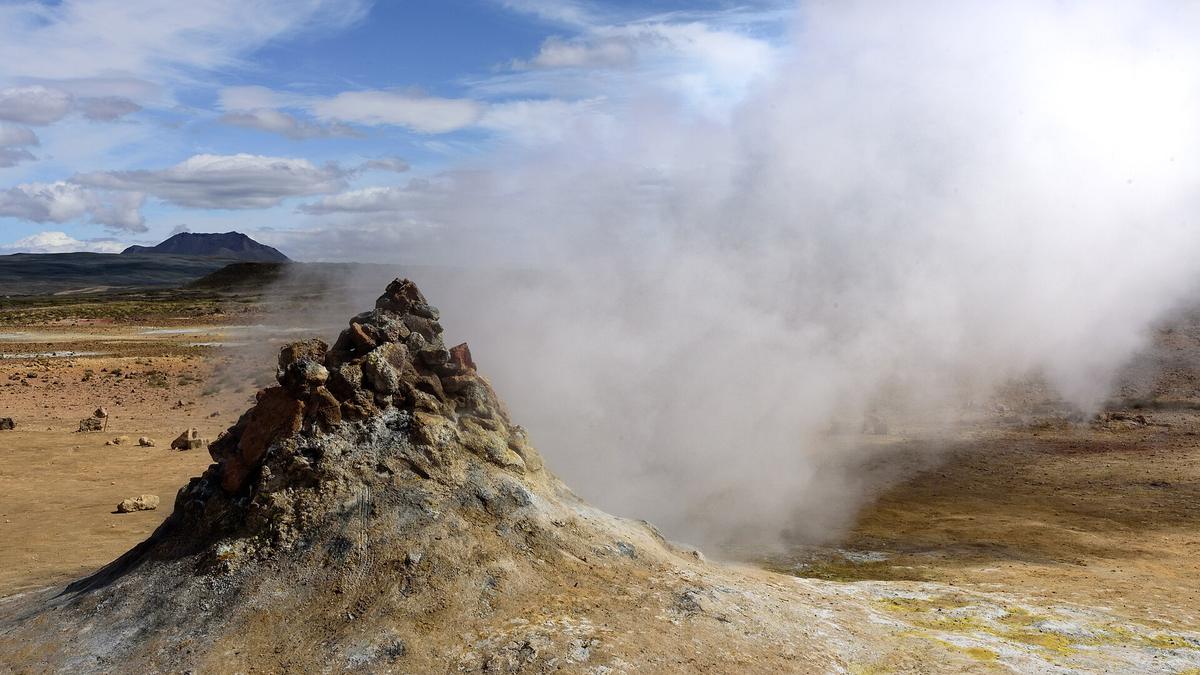
Continue 3 kilometres to Hverir, on the east side of Námafjall mountain. The ground temperature here ranges from 80 to 100 degrees Celsius. The mud pots have a pH of 2 to 3, acidic enough to burn skin on contact. The primary gas is hydrogen sulfide, which smells like rotten eggs. That smell clings to clothing. Do not wear wool or fleece you plan to wear inside a car or a restaurant afterward. Leave a change of clothes in the car, or accept that you will smell of sulphur for the rest of the day. The walkways are narrow and marked. Stay on them. The ground is unstable and the steam can hide a boiling pool.
Krafla, Viti, and the Case for the Nature Baths Over the Blue Lagoon
Walk the Rim at Viti Crater
Drive 8 kilometres from Hverir to the Krafla parking area. The Krafla caldera is roughly 10 kilometres in diameter. Its last eruption period, the Krafla Fires, ran from 1975 to 1984. The walk to Viti crater takes 15 minutes uphill on a gravel path. Viti is about 300 metres in diameter, filled with opaque turquoise-blue water at roughly 25 to 30 degrees Celsius. The colour comes from dissolved minerals. Walk the rim, but do not attempt to descend. The water is not safe for swimming, and the ground around the edge is loose and steep.
End at the Mývatn Nature Baths
From Krafla, drive 10 kilometres south to the Mývatn Nature Baths. This is the final stop. The water temperature is 36 to 40 degrees Celsius, drawn from a borehole at the Bjarnarflag geothermal plant. The setting is a hillside overlooking the lake and the surrounding lava fields. Compare that to the Blue Lagoon, which sits on a flat lava field with no open-water view. The adult entry fee at Mývatn Nature Baths is 6,990 ISK in 2024. The lowest tier at the Blue Lagoon is 8,990 ISK. The crowd level at Mývatn is low to moderate. The Blue Lagoon requires timed entry and is consistently high. You do not need to book weeks ahead at Mývatn. Arrive at 16:00 and walk in. The baths are the better value, the less crowded option, and the one that feels like a geothermal pool rather than a theme park. The only downside is the wind. The hillside is exposed, and the wind can strip the heat from your shoulders in seconds. Keep your head and shoulders below the waterline.
.jpg)
Who This Day is for and Who Should Skip it
This day suits solo road-trippers, landscape photographers, geology nerds, and anyone who prefers nature over urban culture. It does not suit budget backpackers, nightlife seekers, or people who need structured itineraries with indoor attractions. The loop is 30 kilometres of driving, but the walking is on gravel and uneven ground. You will be outside for at least five hours. The weather can deliver four seasons in one hour, and the wind is stronger than you expect. If you find driving in whiteout conditions stressful, do not attempt this route in winter. The avoiding window for this region runs from late December through January, when daylight lasts four to five hours and mountain roads close. The midge hatch in July is a genuine deterrent. If you cannot tolerate insects in your face, eyes, and mouth for an entire day, come in September instead. The midges die off, the crowds thin, and the baths feel emptier.
Common Questions
Can I swim in Grjótagjá?
No. The fissure has been closed for bathing since the 1970s due to temperature fluctuations. The water ranges from 42 to 46 degrees Celsius, but geothermal activity beneath the lake can spike the temperature without warning. You can walk down into the rift and look at the water, but do not touch it.
How do I avoid the midges at Mývatn in July?
Wear a head net and long sleeves. The biting Simuliidae and the non-biting Chironomidae can reach densities exceeding 100,000 per square metre near water in July. Arrive at Skútustaðagígar by 09:00 before the heat intensifies the hatch. Keep car windows closed when parked.
Is the Mývatn Nature Baths fee worth it compared to the Blue Lagoon?
Yes. The adult entry fee is 6,990 ISK at Mývatn, compared to 8,990 ISK for the lowest tier at the Blue Lagoon. The setting is a hillside overlooking the lake and lava fields, not a flat lava field. Crowds are low to moderate, and you do not need timed entry.
How long does the full loop take?
Plan for five to seven hours, including walking time at each stop and a soak at the baths. Driving distances are short: 5 km from Skútustaðagígar to Dimmuborgir, 4 km to Grjótagjá, 3 km to Hverir, 8 km to Krafla, and 10 km back to the baths.
What should I do about the sulphur smell at Hverir?
Leave a change of clothes in the car. The hydrogen sulfide gas clings to fabric, especially wool and fleece. Change after the walk before you drive to Krafla or the baths. The smell is harmless but persistent.
Read next
-
 Godafoss
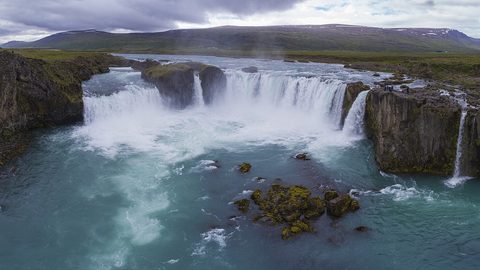
Goðafoss is a wide horseshoe waterfall you can see from both banks in 30 minutes, with a café on the west side and a closer edge on the east.
Godafoss
Goðafoss is a wide horseshoe waterfall you can see from both banks in 30 minutes, with a café on the west side and a closer edge on the east.
-
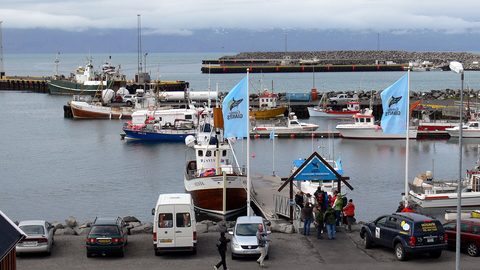 Husavik Whale Watching
Húsavík whale watching success rates peak in midsummer when humpbacks dominate the fjord, but the month you visit changes the species you are likely to see.
Husavik Whale Watching
Húsavík whale watching success rates peak in midsummer when humpbacks dominate the fjord, but the month you visit changes the species you are likely to see.
-
 Akureyri
Plan your time in Akureyri with a guide that covers the town’s best cafes and gardens, plus day trips to the whale coast and Lake Mývatn.
Akureyri
Plan your time in Akureyri with a guide that covers the town’s best cafes and gardens, plus day trips to the whale coast and Lake Mývatn.
-
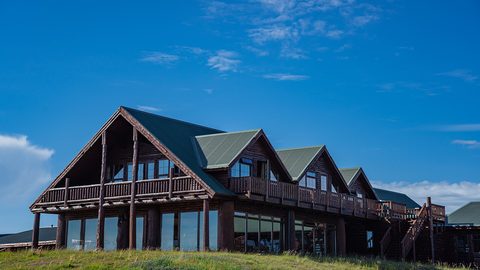 Iceland Accommodation Types from Farm Stays to Hostels
A hotel in rural Iceland rarely means what it means elsewhere. The real differences between guesthouses, farm stays, hostels and campsites before you book.
Iceland Accommodation Types from Farm Stays to Hostels
A hotel in rural Iceland rarely means what it means elsewhere. The real differences between guesthouses, farm stays, hostels and campsites before you book.
-
 Where to Stay in Iceland for a Ring Road Road Trip
On an Iceland lap, the road decides where you sleep. Which bases break the Ring Road into sensible chunks, and where inventory runs dangerously low in July.
Where to Stay in Iceland for a Ring Road Road Trip
On an Iceland lap, the road decides where you sleep. Which bases break the Ring Road into sensible chunks, and where inventory runs dangerously low in July.
-
 Keflavik Airport Flights Transfers and Iceland Domestic Routes
Keflavík to Reykjavík has no train. Flybus, taxi costs, rental car pickup, and when a domestic flight from Reykjavík City Airport saves a day of driving.
Keflavik Airport Flights Transfers and Iceland Domestic Routes
Keflavík to Reykjavík has no train. Flybus, taxi costs, rental car pickup, and when a domestic flight from Reykjavík City Airport saves a day of driving.
-
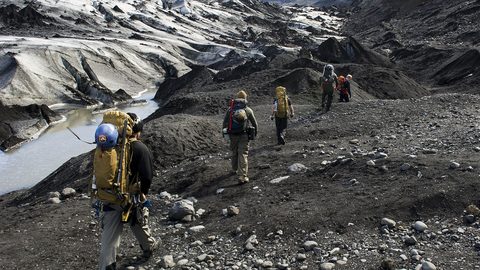 Iceland Experiences Worth Booking and Those That Depend on Weather
Some Iceland experiences vanish if you don't book weeks ahead. Silfra, ice caves, and Landmannalaugar huts sell out. Waterfalls and beaches just need you to show up.
Iceland Experiences Worth Booking and Those That Depend on Weather
Some Iceland experiences vanish if you don't book weeks ahead. Silfra, ice caves, and Landmannalaugar huts sell out. Waterfalls and beaches just need you to show up.
-
 Best Time to Visit Iceland Month by Month With Daylight Hours
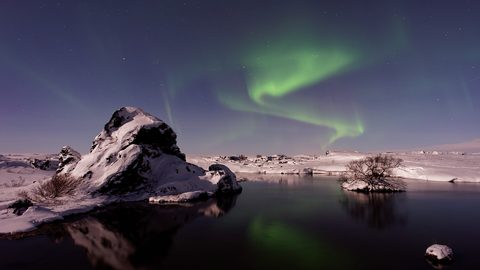
Iceland changes radically by month. This calendar covers daylight hours, road openings, puffin season, northern lights windows, and the two summer weekends that book out nationwide.
Best Time to Visit Iceland Month by Month With Daylight Hours
Iceland changes radically by month. This calendar covers daylight hours, road openings, puffin season, northern lights windows, and the two summer weekends that book out nationwide.
-
 Getting Around Iceland by Car F-Roads Wind and Road.is
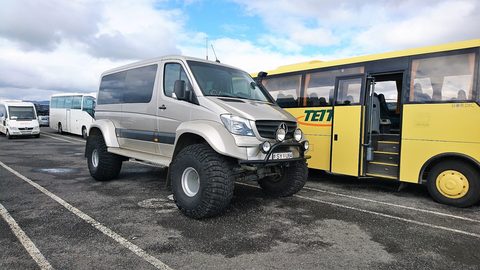
Driving Iceland means understanding F-road legality, reading road.is, and respecting wind that can rip a door off its hinges. This guide covers what rental agencies won't tell you.
Getting Around Iceland by Car F-Roads Wind and Road.is
Driving Iceland means understanding F-road legality, reading road.is, and respecting wind that can rip a door off its hinges. This guide covers what rental agencies won't tell you.