Icelandic Króna, Card Payments, and the Real Cost Flow of a Trip
Iceland runs on cards, not cash, but chip-and-PIN fuel pumps and state liquor store hours catch travellers out. Here is where your króna actually goes.
Paying in Iceland: Króna, Cards, and What You Actually Need
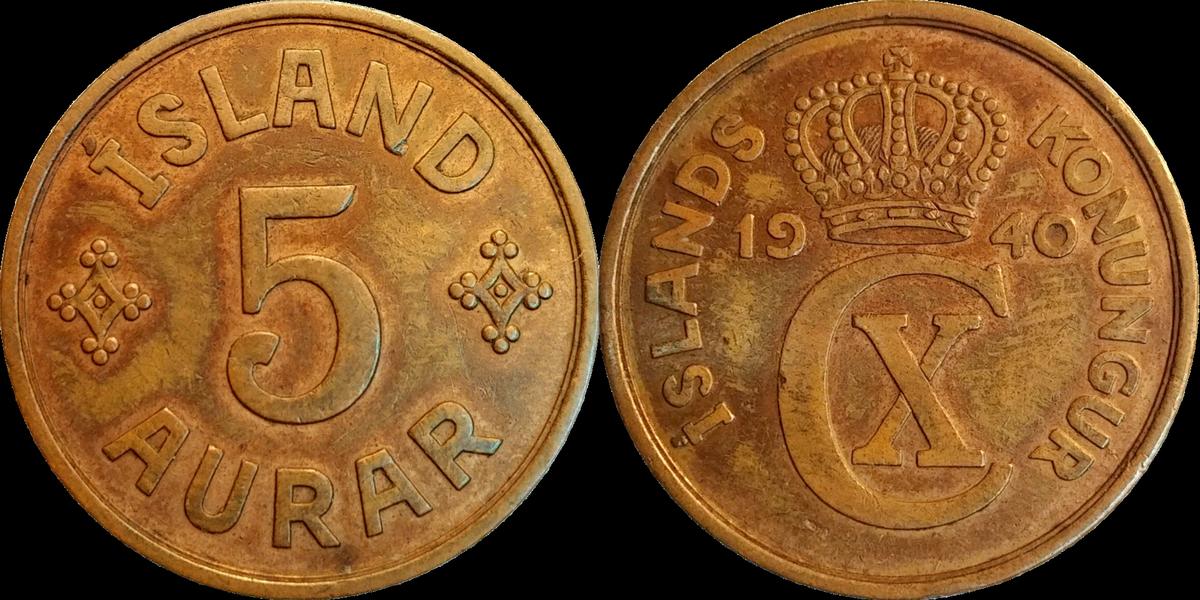
You do not need physical Icelandic króna for a standard tourist trip. Iceland is functionally cashless. Visa and Mastercard are accepted everywhere, including rural unmanned fuel pumps, glacier lagoon ticket kiosks, and the honour-box toilet at a remote trailhead. The one question travellers ask is: can you pay for absolutely everything with a card? The answer is yes, with three specific edge cases. You need a 4-digit PIN for unattended petrol pumps. You need a prepaid fuel card from an N1 station during staffed hours if your card lacks a PIN. And you need a handful of coins for a few rural toilets that charge 200 to 300 ISK and accept only card or coin. That is the entire list. Bring a card, not a wallet full of cash.
The Chip and PIN Distinction That Trips Up US Visitors
Why Your Card Fails at the Pump
Your card needs a 4-digit chip and PIN. This is the single most common failure point for travellers from the United States. Many US issued cards use chip and signature or contactless tap, which work fine at staffed counters in Reykjavík hotels and restaurants. They fail at unmanned fuel pumps outside town. When the pump screen asks for a PIN and your card has none, the transaction declines. You are now stranded on the Ring Road with half a tank and the next station 40 minutes away.
Fix this before you arrive. Call your bank and request a PIN for your credit card. If your bank cannot issue one, carry a second card from a provider that issues PINs, or use a debit card with a PIN. The fallback option: buy a prepaid fuel card at any N1 station during staffed hours. Load ISK 5,000 to 10,000 onto it and use that card number at the pump. N1 has stations in Reykjavík, Keflavík, and every town of size along the Ring Road. Buy it at the counter, not online, because you need to pay with the card you have.
Everything Else Works Like Home
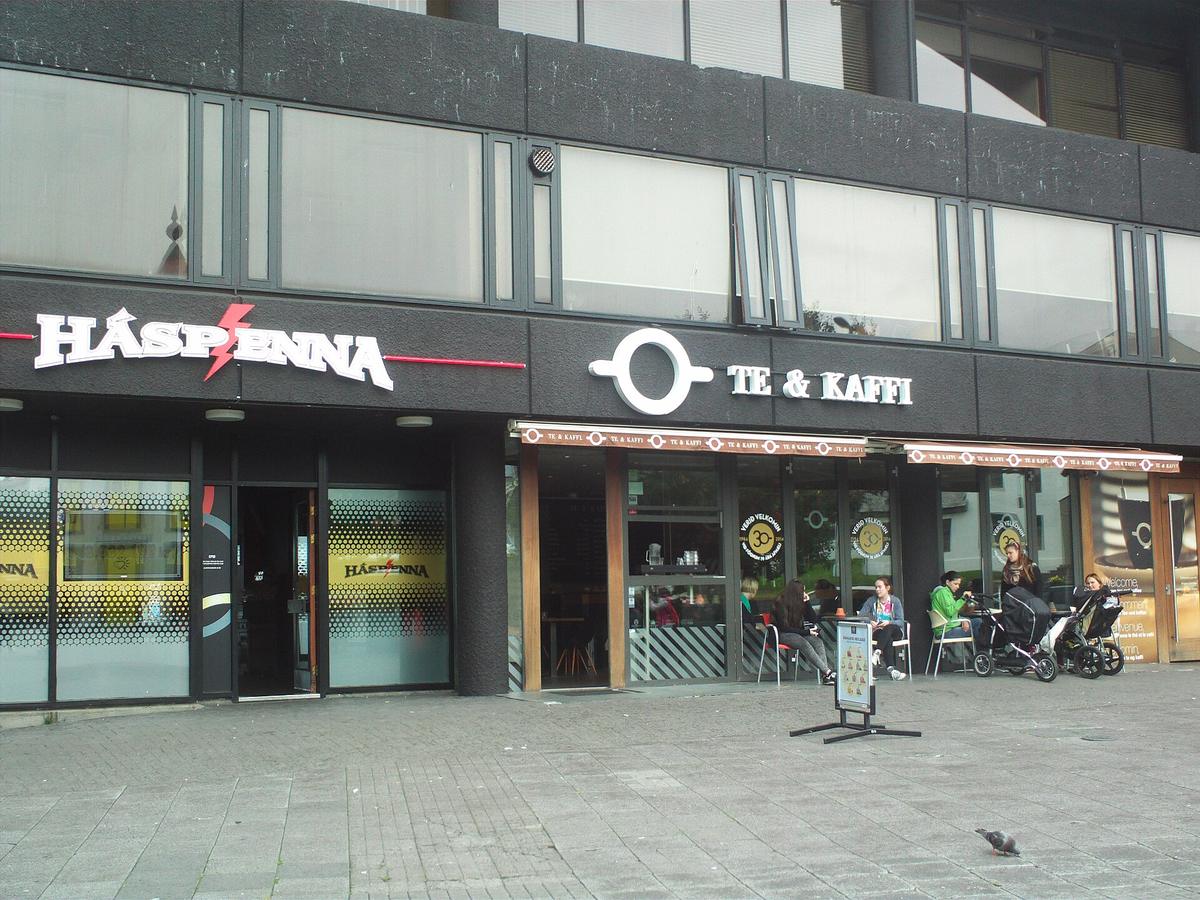
Every other transaction works the same as home. Tap to pay at a café in Miðborg. Insert your card at a supermarket checkout in Hafnarfjörður. Pay for a langoustine dinner in Höfn with contactless. Tipping is not customary and never expected. Service charges are already included in listed prices. Do not tip.
.png)
Where Your Money Actually Goes: Fuel, Accommodation, Food, and the Vínbúðin Shock
Most visitors underestimate how fast daily costs stack up in Iceland. Here is where the króna actually flows, broken down by the categories that eat your budget.
Fuel: Your Largest Variable Cost
Fuel is the biggest surprise for road trippers. Distances are deceptive. The Ring Road is about 1,332 kilometres, but detours to the Westfjords, Snæfellsnes, or Landmannalaugar add hundreds more. Never let the tank drop below half. Petrol stations outside towns close early or are unmanned, and the wind can change your consumption by 20 percent. Fill up at N1, Ólis, or Orkan stations whenever you see one. The price per litre hovers around 300 to 350 ISK, roughly 2.00 to 2.50 USD per litre as of this writing.
Accommodation: Book Seven Months Ahead or Pay
A budget guesthouse double runs 20,000 to 30,000 ISK per night in peak season. A mid range hotel double costs 35,000 to 60,000 ISK. Hostel dorm beds start around 8,000 ISK. Book at least seven months ahead for June through August. If you book late, expect to pay 40 percent more or sleep in your car at a campsite. The cheapest option outside camping is a guesthouse with shared bathroom in a town like Hvolsvöllur or Egilsstaðir.
Supermarket Food: The Self Catering Margin
Bónus and Krónan are the discount supermarkets. A loaf of bread costs 400 ISK. A litre of milk costs 200 ISK. A bag of apples costs 600 ISK. A frozen pizza costs 700 ISK. Cooking your own meals cuts your daily food cost dramatically. Skip the tourist shops in Miðborg and buy groceries in the suburbs. Every town on the Ring Road has a Bónus or a Krónan. Stock up before you leave Reykjavík.
The Vínbúðin Budget Shock
Alcohol above 2.25 percent ABV is sold only at the state run Vínbúðin stores. A pint of draft beer at a bar costs 1,000 to 1,500 ISK. A bottle of wine in a restaurant costs 6,000 to 8,000 ISK. A six pack of Icelandic beer from Vínbúðin costs about 2,500 ISK. The trap: Vínbúðin closes by 18:00 on Saturdays and is closed all day Sunday. If you arrive on a Sunday without alcohol, you cannot buy any until Monday morning. The stores are located in most towns but are easy to miss. Search for the distinctive blue sign. Plan your purchases before the weekend.
Tipping, Tax Free Shopping, and Other Money Mechanics
You will not tip. Service charges are included in listed prices. Leaving extra cash on the table confuses staff and is not appreciated. Do not do it.
Tax free shopping is available for non residents on purchases over 6,000 ISK per receipt from a single retailer. The goods must be exported unused within three months of purchase. The refund is processed at the airport or at designated refund points in Reykjavík. Keep your receipts. The standard VAT rate is 24 percent on most goods and services. A reduced rate of 11 percent applies to accommodation, some food items, and books. You can claim back the VAT difference on eligible purchases.
Attractions are mostly free. Waterfalls, geothermal areas, and national parks charge no entry. The exceptions: Kerið crater costs about 600 ISK, and private geothermal baths like Blue Lagoon start at 8,990 ISK. Most parking lots at natural sites now use the Parka app or automated payment machines. Download the Parka app before you arrive. Pay with a card. The machines accept contactless and chip and PIN.

The Single Thing That Most Often Goes Wrong with Money in Iceland
The most common mistake is assuming your US issued card works at every unmanned fuel pump. It does not. You arrive at a N1 station in the middle of the South Coast at 22:00 in summer, the station is staffed only until 20:00, and your card has no PIN. The pump declines. Your tank is at a quarter. The next station is 50 kilometres east and closes at 22:00. You are now calculating whether you have enough fuel to reach it.
The solution is boring but essential. Before you leave home, confirm that every card you carry has a 4-digit PIN. Test it at an ATM before you board the plane. If the card fails, buy an N1 prepaid card at the counter in Keflavík or Reykjavík before you drive out of town. That one card costs 5,000 ISK and saves you a night stranded in a rental car with the wind peeling the paint off the door.
Common Questions
Do I need to bring US dollars or euros to convert on arrival?
No. Exchange desks at Keflavík airport and in Reykjavík accept major currencies, but you will pay a poor rate. Use an ATM to withdraw a small amount of ISK for rural toilet fees if you want coins, but you can also pay those fees by card. Carry no cash.
What do I do if my credit card is declined at an unmanned fuel pump?
Drive to the nearest staffed station and buy a prepaid N1 fuel card at the counter. Load between 5,000 and 10,000 ISK. Use the card number at the pump. Alternatively, use a debit card with a PIN.
Can I use Apple Pay or Google Pay everywhere?
Most terminals in Reykjavík and along the Ring Road accept contactless payments including Apple Pay and Google Pay. The exception is some older unmanned fuel pumps that require a physical card with a PIN. Keep your physical card on hand.
How much should I budget per day for a solo road trip in peak season?
A reasonable mid range budget is 35,000 to 50,000 ISK per day, covering a rental car, fuel, a guesthouse double, two supermarket meals, and one cheap hot dog or soup. Add alcohol and tours on top.
Is it possible to travel Iceland without a credit card?
No. You need a credit or debit card with a 4-digit PIN to rent a car, buy fuel, and pay for accommodation. Cash alone will not get you past the first fuel pump.
Read next
-
 Iceland Accommodation Types from Farm Stays to Hostels
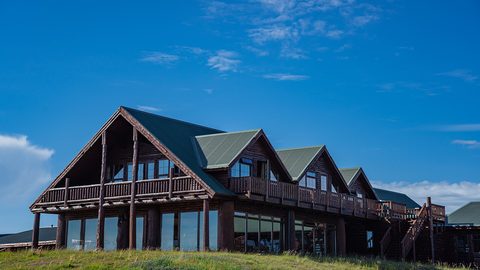
A hotel in rural Iceland rarely means what it means elsewhere. The real differences between guesthouses, farm stays, hostels and campsites before you book.
Iceland Accommodation Types from Farm Stays to Hostels
A hotel in rural Iceland rarely means what it means elsewhere. The real differences between guesthouses, farm stays, hostels and campsites before you book.
-
 Where to Stay in Iceland for a Ring Road Road Trip
On an Iceland lap, the road decides where you sleep. Which bases break the Ring Road into sensible chunks, and where inventory runs dangerously low in July.
Where to Stay in Iceland for a Ring Road Road Trip
On an Iceland lap, the road decides where you sleep. Which bases break the Ring Road into sensible chunks, and where inventory runs dangerously low in July.
-
 Keflavik Airport Flights Transfers and Iceland Domestic Routes
Keflavík to Reykjavík has no train. Flybus, taxi costs, rental car pickup, and when a domestic flight from Reykjavík City Airport saves a day of driving.
Keflavik Airport Flights Transfers and Iceland Domestic Routes
Keflavík to Reykjavík has no train. Flybus, taxi costs, rental car pickup, and when a domestic flight from Reykjavík City Airport saves a day of driving.
-
 Iceland Experiences Worth Booking and Those That Depend on Weather
Some Iceland experiences vanish if you don't book weeks ahead. Silfra, ice caves, and Landmannalaugar huts sell out. Waterfalls and beaches just need you to show up.
Iceland Experiences Worth Booking and Those That Depend on Weather
Some Iceland experiences vanish if you don't book weeks ahead. Silfra, ice caves, and Landmannalaugar huts sell out. Waterfalls and beaches just need you to show up.
-
 Best Time to Visit Iceland Month by Month With Daylight Hours
Iceland changes radically by month. This calendar covers daylight hours, road openings, puffin season, northern lights windows, and the two summer weekends that book out nationwide.
Best Time to Visit Iceland Month by Month With Daylight Hours
Iceland changes radically by month. This calendar covers daylight hours, road openings, puffin season, northern lights windows, and the two summer weekends that book out nationwide.
-
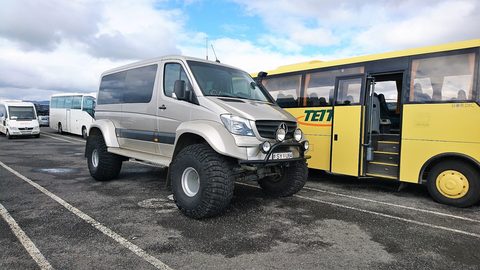 Getting Around Iceland by Car F-Roads Wind and Road.is
Driving Iceland means understanding F-road legality, reading road.is, and respecting wind that can rip a door off its hinges. This guide covers what rental agencies won't tell you.
Getting Around Iceland by Car F-Roads Wind and Road.is
Driving Iceland means understanding F-road legality, reading road.is, and respecting wind that can rip a door off its hinges. This guide covers what rental agencies won't tell you.
-
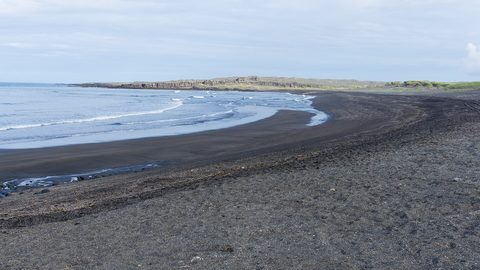 South Iceland
How to drive Iceland's South Coast from Seljalandsfoss to Skaftafell, with honest timings, parking logistics, and the stops worth pulling over for.
South Iceland
How to drive Iceland's South Coast from Seljalandsfoss to Skaftafell, with honest timings, parking logistics, and the stops worth pulling over for.
-
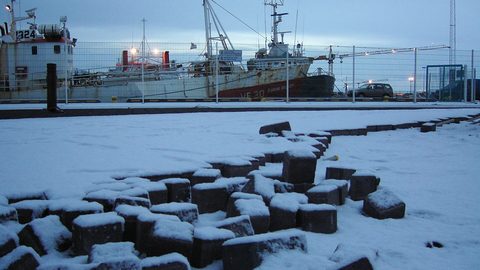 Capital Region
How to spend your arrival and departure days in Reykjavík, from the Miðborg walking loop to Vesturbær's local pools and the domestic airport at RKV.
Capital Region
How to spend your arrival and departure days in Reykjavík, from the Miðborg walking loop to Vesturbær's local pools and the domestic airport at RKV.
-
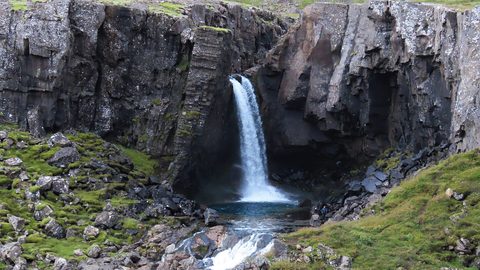 East Iceland
How to drive Iceland's Eastfjords from Höfn to Egilsstaðir, with stops at Vestrahorn, Stuðlagil Canyon, and the puffin colony at Borgarfjörður Eystri.
East Iceland
How to drive Iceland's Eastfjords from Höfn to Egilsstaðir, with stops at Vestrahorn, Stuðlagil Canyon, and the puffin colony at Borgarfjörður Eystri.