Westfjords Without Rushing A Six Day Driving Plan
A practical guide to Westfjords Without Rushing A Six Day Driving Plan.

What Makes a Six-Day Westfjords Drive Possible Now
The Westfjords peninsula was long treated as a place you could only visit in high summer, when the mountain roads dried out and the light barely faded. That changed in October 2020, when the Dýrafjarðargöng tunnel opened and turned a fragmented coastal route into a reliable loop. The tunnel is 5.6 kilometres long, connects Arnarfjörður and Dýrafjörður, and shortens Vestfjarðavegur by more than 27 kilometres. Its real significance is that it bypasses the unpaved Hrafnseyrarheiði mountain pass, making the Westfjords Way a year-round route for the first time.
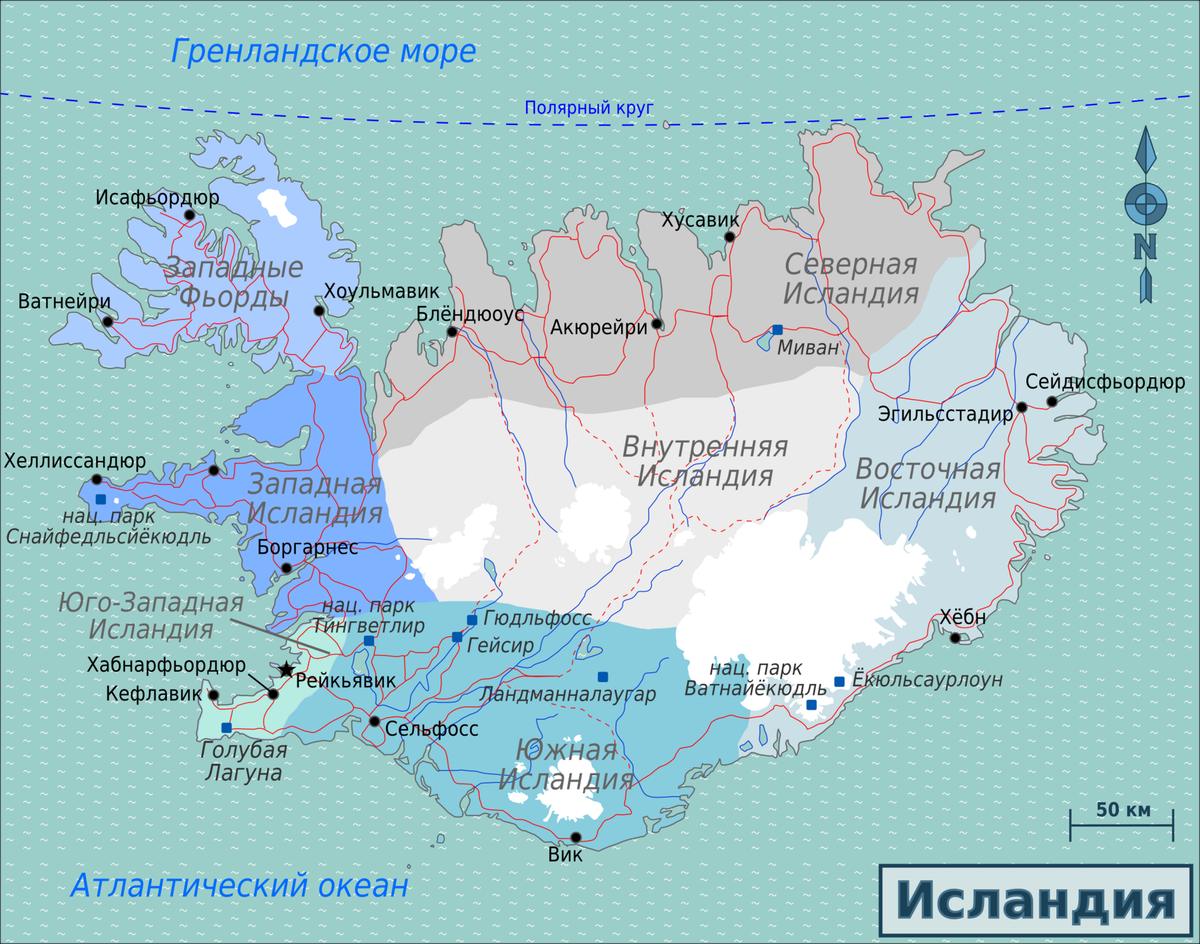
That loop, known as Vestfjarðaleiðin, runs roughly 950 kilometres around the peninsula. It was developed by Visit Westfjords and Visit West Iceland as a single touring circuit, and it is the backbone of any unhurried driving plan here. Six days is enough to follow the route without chasing a checklist, provided you accept that some of the most talked-about places in the region are not on the road at all. Hornstrandir Nature Reserve, for instance, has no road access and has been uninhabited year-round since the 1950s. Reaching it requires a scheduled or chartered boat from Ísafjörður, Bolungarvík or Norðurfjörður, and those services run seasonally. If your six days are in winter, Hornstrandir is not a side trip; it is a separate expedition.
This plan treats the drive itself as the experience. It moves clockwise from the southern entry point, uses the ferry to avoid backtracking, and leaves room for the detours that make the Westfjords feel like a place you have discovered rather than a place you have ticked off.
Day One Arrive by Ferry and Head for the Southern Cliffs
Start on the Snæfellsnes peninsula, where the ferry Baldur departs Stykkishólmur for Brjánslækur in the southern Westfjords. The vessel is operated by Ferjuleiðir and calls at Flatey island en route. Sailing schedules and fares change by season, and the ferry may undergo dry-dock maintenance that affects service, so you must check the current timetable on ferja.is before committing to this start. If the sailing does not suit your dates, the alternative is to drive north around Breiðafjörður and enter the Westfjords from the east, which adds considerable distance.
From Brjánslækur, the road leads west toward Látrabjarg. This seabird cliff stretches roughly 14 kilometres and reaches 441 metres in height, making it one of the largest in Europe. It is also the westernmost point of Iceland, designated a nature reserve in 2021 covering approximately 37 square kilometres. The access road is Örlygshafnarvegur, numbered 612, and it ends at Bjargtangar lighthouse. The final section is gravel, and winter road access is not maintained beyond Örlygshöfn. If you are travelling outside summer, check the Icelandic Road and Coastal Administration website at umferdin.is to see whether the road is open before you drive it.
Nearby, Rauðasandur is a beach about 10 kilometres long on the southern coast, known for sand coloured pink to red by crushed scallop shells. Reaching it means taking the steep, winding gravel Route 614 off Route 612. The detour is slow, and the road demands full attention. Whether you combine Látrabarg and Rauðasandur in one afternoon or split them across two days depends on your ferry arrival time and the season. In summer, the long daylight makes both possible. In autumn or winter, choose one and settle in.

Day Two Follow the Southern Fjords to Dynjandi
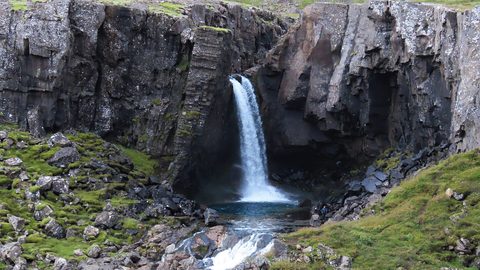
The road east from the Látrabjarg area traces the southern coastline through a series of fjords. The driving is not fast, but the distance is not the point. The route leads to Arnarfjörður and the turn-off for Dynjandi, a series of six waterfalls cascading roughly 100 metres. The site has been protected as a natural monument since 1981.
The walk from the parking area to the main upper waterfall takes approximately 15 minutes. The lower section of the path is paved and accessible as far as Hrísvaðsfoss. Beyond that, the trail becomes a rocky natural path. A parking fee is charged to contribute to site maintenance and conservation, and the amount is subject to change. Check the Environment Agency of Iceland website for current details before your visit. The agency manages the protected area and publishes access and services information.
After Dynjandi, the road continues to the Dýrafjarðargöng tunnel. Passing through it, you leave Arnarfjörður and enter Dýrafjörður without climbing the old mountain pass. The tunnel is what makes a six-day spring or autumn itinerary feasible here, because it removes the uncertainty that the unpaved highland alternative used to impose. Spend the night in the Þingeyri area or continue toward Ísafjörður if daylight and energy allow.
Day Three Ísafjörður and the Hornstrandir Decision
Ísafjörður is the largest town in the Westfjords, with a population of roughly 2,600 to 2,700. It is the regional administrative centre and the main hub for boat access to Hornstrandir Nature Reserve. If you want to visit Hornstrandir, this is where you arrange it.
Hornstrandir is a place apart. The reserve sits at the northern edge of the peninsula, has been uninhabited year-round since the 1950s, and has no road access. You reach it only by boat, and services typically run from June to August, though schedules vary by operator and landing point. The Environment Agency of Iceland publishes useful information for visitors and is the authority to check for current operator listings and seasonal dates. Do not assume a boat will be running outside midsummer without verifying.
Hornstrandir is also the only place in Iceland where the Arctic fox is completely protected from hunting. If you go, you must keep at least 40 metres from fox dens. That is a legal requirement, not a guideline. A day trip by boat gives you a taste of the reserve, but a multi-day hike with a tent is the way most people experience its interior. Either way, the decision to go will reshape your six-day plan. If you commit a full day or more to Hornstrandir, you will need to compress the eastern half of the loop or accept that you are prioritising depth over coverage. Both choices are valid, but the trade-off is real.
Days Four and Five The Eastern Fjords and Strandir Coast
Leaving Ísafjörður, the Westfjords Way turns east and then south through a landscape that feels progressively more remote. The fjords here are narrower, the settlements smaller, and the road hugs the water for long stretches. This is the least visited part of the loop, and that is its appeal.
There is no single marquee attraction on this side. Instead, the days are shaped by the rhythm of the drive: a geothermal pool in a village you did not plan to stop at, a beach of black sand with no name on the map, a café open only when the owner feels like it. The research notes do not quantify these stops, and that is appropriate. They are not quantifiable. What the notes do confirm is that off-road driving is prohibited throughout Iceland. You must remain on recognised roads and use designated parking areas. That rule applies everywhere, including the empty-looking tracks that tempt you toward a better view.
Road conditions in the eastern Westfjords can change quickly, especially outside summer. The Icelandic Road and Coastal Administration runs umferdin.is, and you should consult it before and during this section of the drive. The site shows closures, weather warnings and surface conditions. A road that was clear in the morning can be impassable by afternoon in winter. The Dýrafjarðargöng tunnel made the southern and western parts of the loop year-round, but the eastern stretch still demands respect.
Day Six Closing the Loop
The final day brings you back toward the starting point, completing the roughly 950-kilometre circuit. If you began with the ferry from Stykkishólmur, you may choose to return the same way, or you may drive the longer land route around Breiðafjörður and rejoin the Snæfellsnes peninsula from the north. The ferry option requires checking the Baldur sailing schedule again, because the return timetable may differ from your outbound sailing.
This is also the day to reflect on what the Westfjords Way does and does not offer. It is a driving route, not a wilderness trek. It connects towns, waterfalls, cliffs and beaches, but it does not reach Hornstrandir, and it does not eliminate the need to read the weather. The tunnel that made the loop possible is a piece of infrastructure, not a guarantee. The road still narrows, the gravel still rattles, and the North Atlantic still decides what kind of day you will have.
What six days gives you is enough time to stop. You can walk the full path at Dynjandi, not just photograph the lower falls and leave. You can sit at Látrabjarg long enough to watch the birds settle into their routines. You can take the detour to Rauðasandur and walk a beach that looks like nowhere else in Iceland. The Westfjords reward the driver who treats the route as a framework rather than a schedule.
Sources and verification
- westfjords.is — Research source checked for this guide
- vestfjardaleidin.is — Research source checked for this guide
- westfjords.is — Research source checked for this guide
- ust.is — Research source checked for this guide
- westfjords.is — Research source checked for this guide
- fartravel.is — Research source checked for this guide
Read next
-
 Iceland Accommodation Types from Farm Stays to Hostels
A hotel in rural Iceland rarely means what it means elsewhere. The real differences between guesthouses, farm stays, hostels and campsites before you book.
-
 Where to Stay in Iceland for a Ring Road Road Trip
On an Iceland lap, the road decides where you sleep. Which bases break the Ring Road into sensible chunks, and where inventory runs dangerously low in July.
-
 Keflavik Airport Flights Transfers and Iceland Domestic Routes
Keflavík to Reykjavík has no train. Flybus, taxi costs, rental car pickup, and when a domestic flight from Reykjavík City Airport saves a day of driving.
-
 Iceland Experiences Worth Booking and Those That Depend on Weather
Some Iceland experiences vanish if you don't book weeks ahead. Silfra, ice caves, and Landmannalaugar huts sell out. Waterfalls and beaches just need you to show up.
-
 Best Time to Visit Iceland Month by Month With Daylight Hours
Iceland changes radically by month. This calendar covers daylight hours, road openings, puffin season, northern lights windows, and the two summer weekends that book out nationwide.
-
 Getting Around Iceland by Car F-Roads Wind and Road.is
Driving Iceland means understanding F-road legality, reading road.is, and respecting wind that can rip a door off its hinges. This guide covers what rental agencies won't tell you.
-
 South Iceland
How to drive Iceland's South Coast from Seljalandsfoss to Skaftafell, with honest timings, parking logistics, and the stops worth pulling over for.
-
 Capital Region
How to spend your arrival and departure days in Reykjavík, from the Miðborg walking loop to Vesturbær's local pools and the domestic airport at RKV.
-
 East Iceland
How to drive Iceland's Eastfjords from Höfn to Egilsstaðir, with stops at Vestrahorn, Stuðlagil Canyon, and the puffin colony at Borgarfjörður Eystri.