Photographing Puffins at Látrabjarg During the Short Nesting Window
Látrabjarg lets you photograph puffins from a metre away during their ten-week nesting window, but the unfenced cliff edge demands caution.

Photographing Puffins at Látrabjarg During the Short Nesting Window
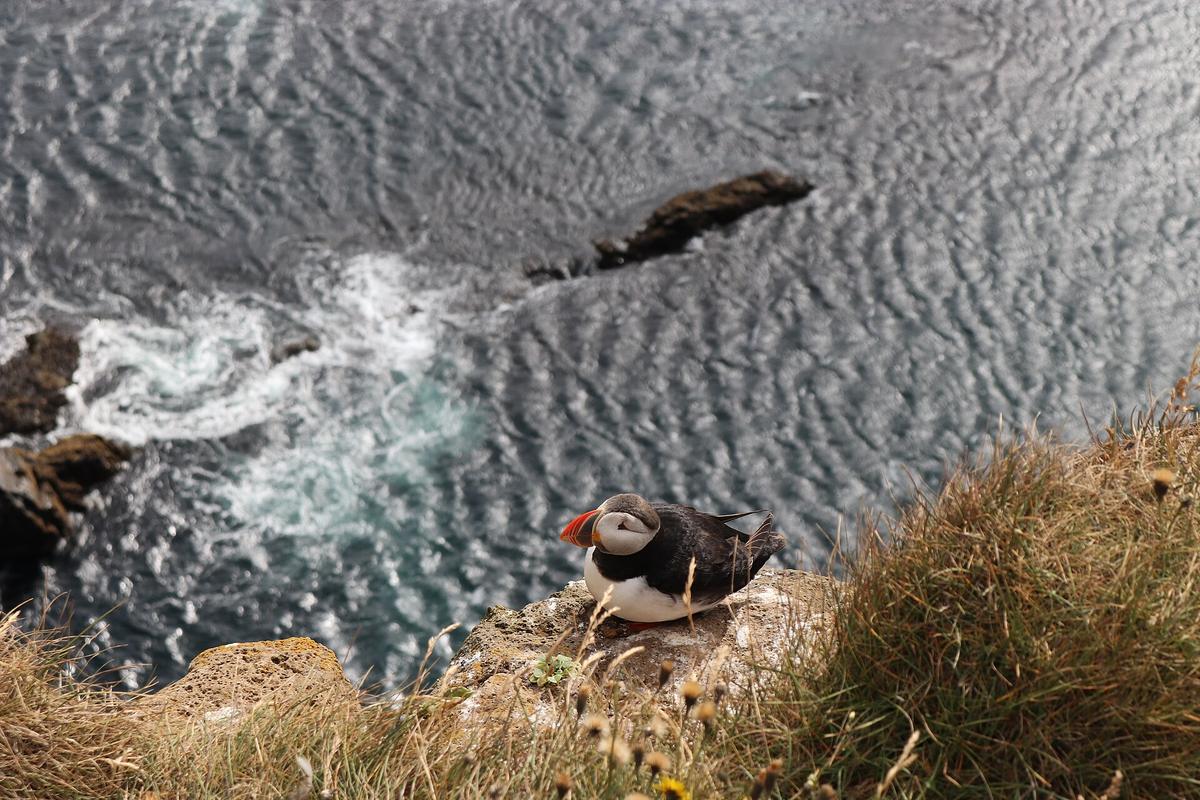
You want to know exactly when you can see puffins at Látrabjarg and how close they will let you get. The answer is late May through early August, and closer than anywhere else in Iceland: one to two metres, if you approach on your stomach and move slowly. That is the whole point of this cliff. But the window is tight, the drive is punishing, and the cliff edge will kill you if you forget what you are lying on.
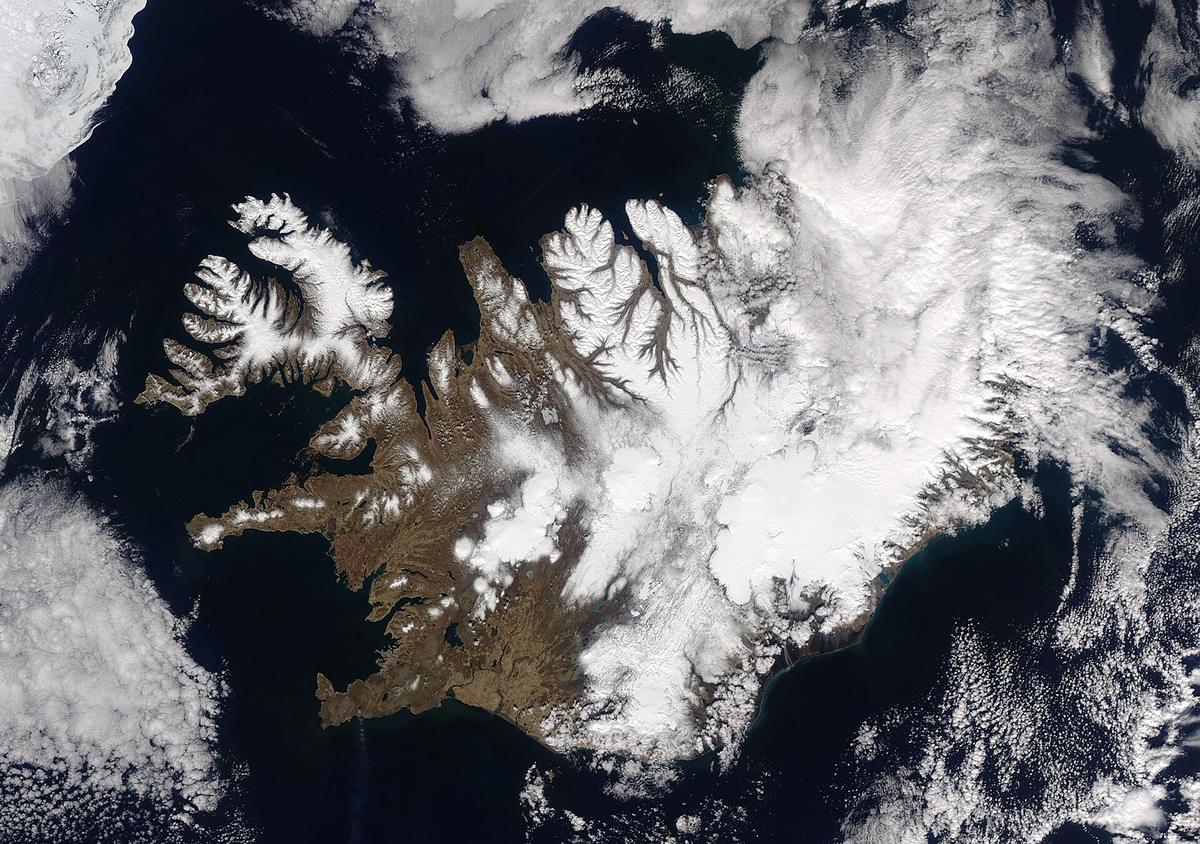
Látrabjarg runs 14.5 kilometres along the northwest coast of the Westfjords, rising to 441 metres at its highest point. At Bjargtangar, the westernmost point of Europe, you stand at 65°30′N 24°32′W and look out at nothing but the North Atlantic. The puffins arrive in mid-April and leave by mid-August, but the nesting peak when you can walk among them runs from late May to early August. That is about ten weeks.
Outside that window, the cliffs are empty and the wind is still brutal.
- Puffin Nesting Window: Late May to early August (puffins present mid-April to mid-August)
- Best Time of Day for Puffins at Cliff: Mid-morning to late afternoon (birds at sea outside these hours)
- Approach Distance: 1, 2 m, achieved by lying down and crawling slowly
- Cliff Edge Hazard: Undercut basalt, unfenced, crumbly ground; fatal falls recorded
- Drive from Patreksfjörður: 90 km gravel road (Route 612), 1.5, 2 hours one way
- Westernmost Point: Bjargtangar, 65°30′N 24°32′W
Getting There is a Half-Day Commitment
The Drive From Patreksfjörður
Start from Patreksfjörður, the nearest town with fuel and supplies. Route 612 runs 90 kilometres of gravel road to the cliff parking area. The drive takes 1.5 to 2 hours each way, and that is on a dry day. On a wet day, add time.
The road is narrow, washboarded in sections, and passes through sheep country where animals stand on the road and refuse to move. You will not find a petrol station, a shop, or a toilet once you leave Patreksfjörður. The parking area at the end is a small gravel patch with a sign. That is it.
Vehicle Choice And Trip Planning
You need a rental car with good ground clearance. A 4x4 is not required by law on Route 612, but the gravel is sharp and loose, and a standard sedan will rattle your fillings loose. The Westfjords are a multi-day commitment; you cannot do this as a day trip from Reykjavík. The drive from the capital to Patreksfjörður alone is five hours. Budget for a minimum of seven days in Iceland if you want to include the Westfjords at all.
How to Approach the Puffins Without Falling Off the Cliff
The Crawl Technique
Puffins at Látrabjarg are habituated to humans. They have been visited by photographers for decades and do not flush. You can walk to within a few metres of a nesting bird, but the instant you stand upright and loom over them, they will leave. Lie down on your stomach and crawl the last stretch. The birds will watch you but stay put. You can then photograph them at eye level from a distance of one to two metres.
Reading The Edge And The Wind
Do not misread this as safe. The cliff edge is not fenced. The basalt is undercut, meaning the ground you lie on can collapse without warning. Fatal falls have been recorded. The wind at Látrabjarg is ferocious; a gust can knock you off your feet. On a calm day, the wind still averages 30 km/h. On a bad day, you cannot stand. Check vedur.is and road.is together before you go. If the wind forecast is above 50 km/h, skip the trip. While Látrabjarg draws you to the westernmost cliffs, East Iceland offers a different wildness where reindeer roam the quiet fjords.
.jpg)
What to Expect at the Cliff and What to Bring
Facilities And Weather
There is no visitor centre, no railing, no guided tour, no cafe. You park, you walk, you watch, you leave. The experience is raw and the exposure is real. The weather will change four times in an hour. You will get sun, rain, sideways sleet, and wind that peels skin off your face, all in the same visit.
Dress in layers you can work in while lying on wet gravel. Bring a waterproof shell and a hat that will not blow away. Do not bring a tripod unless it is heavy and low to the ground; the wind will knock over anything light.
Timing Your Visit For Photography
Photography is best in the mid-morning to late afternoon window. That is when the puffins are at the cliff, not at sea feeding. The midnight sun in June gives you light until 23:00, but the birds follow their own schedule. Arrive by 10:00 and stay until 16:00 for the best activity. The light at Látrabjarg is harsh at noon, but the cliff faces west, so the afternoon sun softens the scene.
Common Questions
Can I see puffins at Látrabjarg in September?
No. Puffins leave by mid-August. The cliff is empty from mid-August to mid-April. Do not drive 90 kilometres of gravel to see an empty cliff.
Do I need a tour guide to visit Látrabjarg?
No. The cliff is free and open access. No booking, no guide, no entrance fee. You drive yourself, park, and walk. There are no tours operating at the cliff itself.
Is the gravel road to Látrabjarg suitable for a regular car?
Barely. A standard 2WD car can make it in dry conditions, but the road is sharp, loose gravel. A 4x4 or a car with high ground clearance is strongly recommended. A sedan will risk punctures and a rough ride.
What happens if I fall off the cliff?
The cliff is up to 441 metres high. There is no rescue service stationed at Látrabjarg. Fatal falls have occurred. Stay on your stomach near the edge, do not stand, and do not back up without checking the ground behind you.
Read next
-
 Dynjandi
 is a cascading bridal-veil waterfall in the Westfjords reached by a stepped walk past six smaller falls, with a long gravel-road approach.
Dynjandi
Dynjandi is a cascading bridal-veil waterfall in the Westfjords reached by a stepped walk past six smaller falls, with a long gravel-road approach.
-
 Iceland Accommodation Types from Farm Stays to Hostels
A hotel in rural Iceland rarely means what it means elsewhere. The real differences between guesthouses, farm stays, hostels and campsites before you book.
Iceland Accommodation Types from Farm Stays to Hostels
A hotel in rural Iceland rarely means what it means elsewhere. The real differences between guesthouses, farm stays, hostels and campsites before you book.
-
 Where to Stay in Iceland for a Ring Road Road Trip
On an Iceland lap, the road decides where you sleep. Which bases break the Ring Road into sensible chunks, and where inventory runs dangerously low in July.
Where to Stay in Iceland for a Ring Road Road Trip
On an Iceland lap, the road decides where you sleep. Which bases break the Ring Road into sensible chunks, and where inventory runs dangerously low in July.
-
 Keflavik Airport Flights Transfers and Iceland Domestic Routes
Keflavík to Reykjavík has no train. Flybus, taxi costs, rental car pickup, and when a domestic flight from Reykjavík City Airport saves a day of driving.
Keflavik Airport Flights Transfers and Iceland Domestic Routes
Keflavík to Reykjavík has no train. Flybus, taxi costs, rental car pickup, and when a domestic flight from Reykjavík City Airport saves a day of driving.
-
 Iceland Experiences Worth Booking and Those That Depend on Weather
Some Iceland experiences vanish if you don't book weeks ahead. Silfra, ice caves, and Landmannalaugar huts sell out. Waterfalls and beaches just need you to show up.
Iceland Experiences Worth Booking and Those That Depend on Weather
Some Iceland experiences vanish if you don't book weeks ahead. Silfra, ice caves, and Landmannalaugar huts sell out. Waterfalls and beaches just need you to show up.
-
 Best Time to Visit Iceland Month by Month With Daylight Hours
Iceland changes radically by month. This calendar covers daylight hours, road openings, puffin season, northern lights windows, and the two summer weekends that book out nationwide.
Best Time to Visit Iceland Month by Month With Daylight Hours
Iceland changes radically by month. This calendar covers daylight hours, road openings, puffin season, northern lights windows, and the two summer weekends that book out nationwide.
-
 Getting Around Iceland by Car F-Roads Wind and Road.is
Driving Iceland means understanding F-road legality, reading road.is, and respecting wind that can rip a door off its hinges. This guide covers what rental agencies won't tell you.
Getting Around Iceland by Car F-Roads Wind and Road.is
Driving Iceland means understanding F-road legality, reading road.is, and respecting wind that can rip a door off its hinges. This guide covers what rental agencies won't tell you.
-
 South Iceland
How to drive Iceland's South Coast from Seljalandsfoss to Skaftafell, with honest timings, parking logistics, and the stops worth pulling over for.
South Iceland
How to drive Iceland's South Coast from Seljalandsfoss to Skaftafell, with honest timings, parking logistics, and the stops worth pulling over for.
-
 Capital Region
How to spend your arrival and departure days in Reykjavík, from the Miðborg walking loop to Vesturbær's local pools and the domestic airport at RKV.
Capital Region
How to spend your arrival and departure days in Reykjavík, from the Miðborg walking loop to Vesturbær's local pools and the domestic airport at RKV.