A Realistic Look at the Ring Road Between November and March
A segment-by-segment breakdown of Iceland's Ring Road in winter: which stretches stay open, which close without warning, and how to build a realistic cold-weather route.
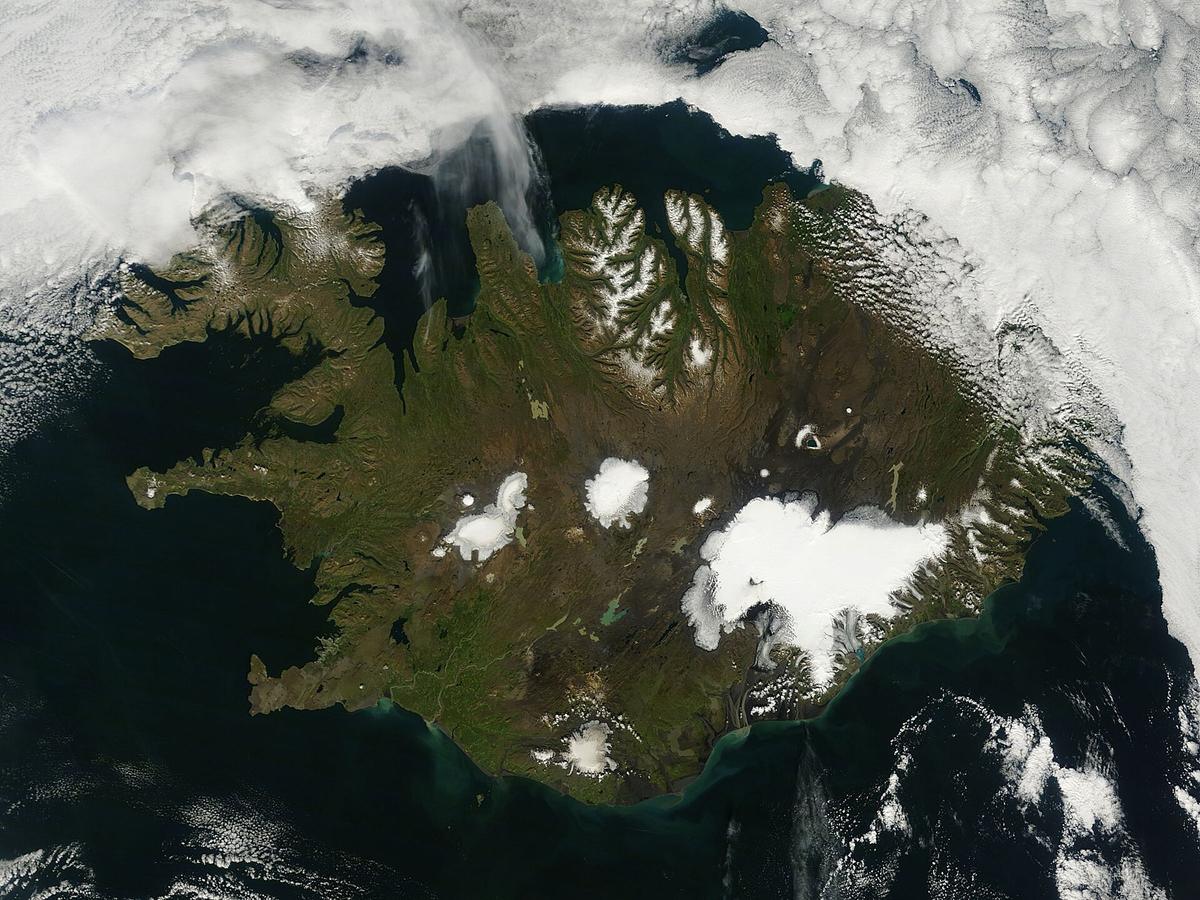
.jpg)
A Realistic Look at the Ring Road Between November and March
You have flights booked for deep winter and you need to know if you can drive the full 1,322 km Ring Road or if you should build a south-west-only itinerary. The answer is not a blanket yes or no. The route splits into stretches with very different winter feasibility scores based on road.is closure data, daylight hours, and storm frequency. Here is the breakdown stretch by stretch, with the specific passes and exposed sections that become impassable, plus a concrete alternative route that still feels like a real Iceland trip.
Driving the full loop in winter demands at least 10 days, not 7. The usable winter driving window is approximately 10:00 to 16:00 in deep winter. That gives you only 6 hours of safe light. At the December solstice, the capital gets 4 hours 7 minutes of daylight. Even in February, you only get 6 hours 40 minutes at the start of the month, rising to 10 hours by the end. You cannot cover 1,322 km in those windows without driving in darkness on ice. A full winter lap is not recommended for 7-day trips. The recommended winter alternative is a South Coast out-and-back from Reykjavík, with a sensible turnaround point at Jökulsárlón or Höfn.
Stretch 1: Reykjavík to Vík (The South Coast)
Winter Feasibility Score: 8/10
This is the most reliable section in winter. Route 1 stays low and coastal, and the road.is colour code rarely goes beyond blue (slippery) or orange (spots of ice). The road is ploughed first and most frequently. You can drive this section in any winter month, including late December and January, as long as you check vedur.is and road.is before leaving. The main risk is wind. Iceland feels raw, lunar, and expensive, and visitors consistently underestimate the wind. It can rip car doors off hinges. Park facing into the wind and hold the door. The failure case is a sudden storm that closes the road between Seljalandsfoss and Skógafoss for a few hours. Wait it out in a petrol station with lamb soup (kjötsúpa). Every station sells it, and it is the real test of a good stop.
Daylight in February gives you 6 hours 40 minutes at the start of the month, rising to 10 hours by the end. You can comfortably reach Vík in 3 hours of driving, with stops at Seljalandsfoss, Skógafoss, and Reynisfjara. The black sand beach at Reynisfjara has lethal sneaker waves. No booking is needed. Never turn your back on the ocean. The south coast out-and-back from the capital to Jökulsárlón fits in a long day if you leave at 08:00 and return by 20:00.
Stretch 2: Vík to Höfn (The Glacier Lagoon Run)
Winter Feasibility Score: 6/10
This section crosses the Mýrdalssandur floodplain and the Skeiðarársandur outwash plain. The road is flat and exposed. Wind speeds regularly exceed 30 m/s, and the road.is colour code frequently turns light blue (extremely slippery) or red (difficult driving). The stretch between Vík and Kirkjubæjarklaustur is the most dangerous. In February, you can drive this section on a clear day, but you must have a retreat plan. If the forecast shows winds above 25 m/s, do not attempt it. The failure case is getting stuck in Kirkjubæjarklaustur with no accommodation. Book a room there as a backup. The highlight is Jökulsárlón, the iceberg lagoon, and Diamond Beach, where ice chunks sit on black sand opposite the lagoon. No booking is needed for either. Zodiac tours at the lagoon book days ahead in summer. In winter, tours run less frequently and you can often book same-day.
Stretch 3: Höfn to Egilsstaðir (The Eastfjords)
Why This Stretch Is The Hardest
Winter Feasibility Score: 3/10
This is the most dangerous section of the Ring Road in winter. East Iceland winter exposure means the passes on Route 1 are subject to frequent closure in severe weather. The specific problem is the Öxi pass, route 939, an unpaved gravel road that is closed or impassable for much of winter. The alternative is Route 1 along the coast via Djúpivogur and Breiðdalsvík, but that route also crosses exposed passes. In February, this section is a gamble. The road.is colour code frequently goes dark red (impassable) or red (difficult driving). The failure case is getting stranded in a small town like Breiðdalsvík with no accommodation and no mobile signal.
What To Do Instead
The Eastfjords are beautiful, with serrated coastline and near-zero crowds, but they are not worth a winter detour unless you have 10 days and a flexible schedule. If you only have 7 days, skip this stretch entirely.
Stretch 4: Egilsstaðir to Akureyri (The North)
Winter Feasibility Score: 4/10
This section crosses the Möðrudalsöræfi highland plateau, the highest point on the Ring Road. The road is exposed and frequently closed in winter. The road.is colour code often shows light blue (extremely slippery) or dark red (impassable). The stretch around Dettifoss, Europe's most powerful waterfall by volume, is particularly rough. The east side road to Dettifoss is unpaved and often impassable. Goðafoss, the wide horseshoe falls, is easier to access from the roadside. In February, you can drive this section only on a clear day after checking the road condition map. The failure case is getting stuck on the plateau with no cell signal and no services. The northern lights season runs late August to mid-April, with peak viewing months November to February, so you might see aurora here, but only with clear skies and darkness. The usable winter driving window means you must be off the road by 16:00.
Stretch 5: Akureyri to Reykjavík (The West)
Winter Feasibility Score: 5/10
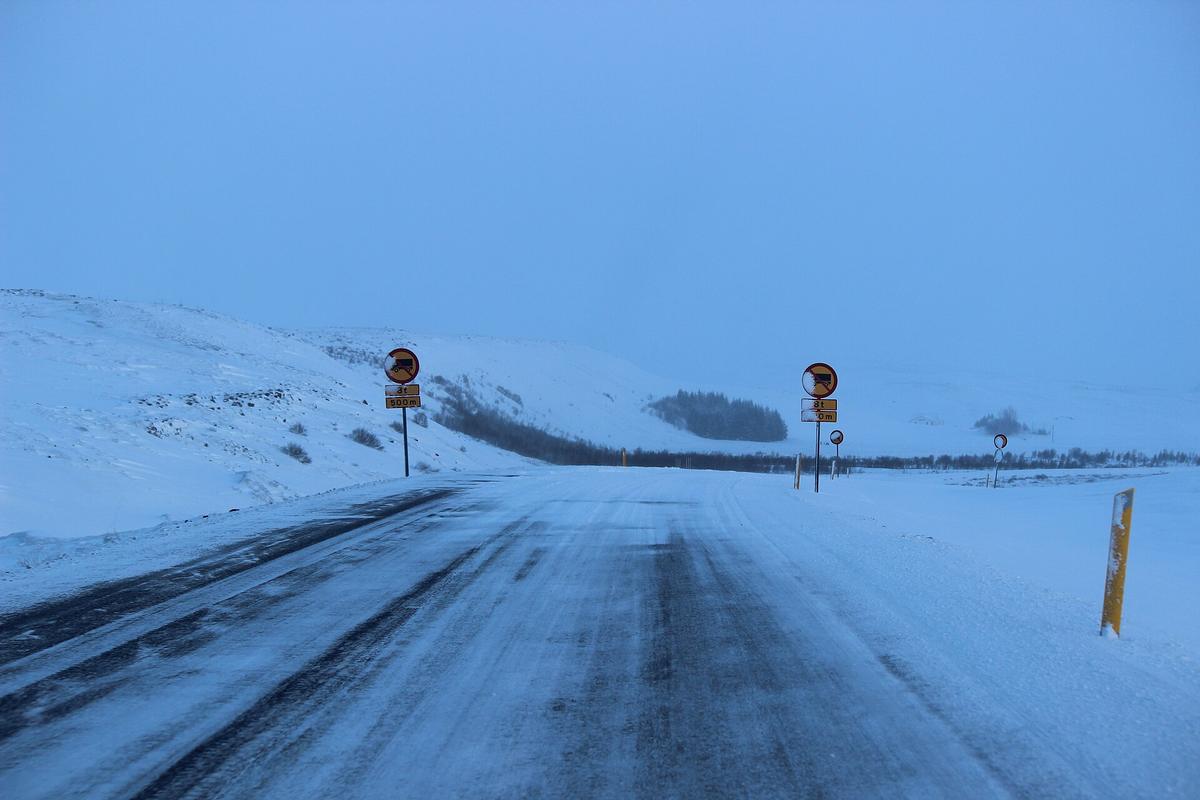
This section includes the Hvalfjörður tunnel and the Borgarfjörður region. The road is lower and better maintained than the Eastfjords or the North, but still exposed to wind and snow. The stretch north of the capital around Bifröst is a known black-ice zone. The road.is colour code frequently shows yellow (ice) or orange (spots of ice). The Snæfellsnes Peninsula is a day trip from Reykjavík, 10 to 12 hours round trip by car, featuring Kirkjufell with its tight parking. In February, you can drive this section in a single day, but do not attempt it after a storm. The failure case is road closures near Hvalfjörður that add 2 hours of detour time. The alternative is to stay on the south coast and skip the north entirely.

The Concrete Alternative: South Coast Out-and-Back
If you have 7 days in February, build a south-west-only itinerary. The recommended winter alternative to the full lap is a South Coast out-and-back from Reykjavík, with a sensible turnaround point at Jökulsárlón or Höfn. Here is the plan:
Days 1 To 3: Arrival And The Golden Circle
- Day 1: Arrive at Keflavík (KEF). Take the Flybus to Reykjavík BSÍ terminal, 45 to 50 minutes, about ISK 3,900 one-way. Pick up a rental car with studded winter tyres, which are legal from 1 November to 14 April. Standard hire cars in winter have studded winter tyres.
- Day 2: Golden Circle loop. Þingvellir, Geysir, Gullfoss. 6 to 7 hours by car from the city. Free parking at Þingvellir, pay at P1/P5. Strokkur erupts every 5 to 8 minutes. No booking needed.
- Day 3: South Coast to Vík. Seljalandsfoss, Skógafoss, Reynisfjara. 10 to 12 hours by car. Pay parking at Seljalandsfoss via the Parka app. Reynisfjara has lethal sneaker waves. Do not turn your back on the ocean.
Days 4 To 7: Glaciers, Peninsulas And Departure
- Day 4: Vík to Jökulsárlón and back. 4 hours driving each way. The lagoon and Diamond Beach are free. Zodiac tours may be available but book less frequently in winter.
- Day 5: Snæfellsnes Peninsula. Kirkjufell, Arnarstapi, Djúpalónssandur. 10 to 12 hours round trip by car. Parking is tight at Kirkjufell.
- Day 6: Reykjanes Peninsula. Bridge Between Continents, Gunnuhver, Blue Lagoon. 4 to 5 hours by car. Blue Lagoon requires pre-booking weeks ahead.
- Day 7: Depart from KEF.
This itinerary avoids the passes that become impassable, the Eastfjords, and the North. You still see waterfalls, glaciers, black sand, and the Golden Circle. It feels like a real Iceland trip because it is the best Iceland trip for winter.
What Shuts and What Stays Open
Mountain roads close from late September to mid-June. The Highlands are unpaved interior with river crossings, open only from mid-June to mid-September. The Öxi pass (Route 939) is closed or impassable for much of winter. Petrol stations outside towns close early or are unmanned. Never let the tank drop below half. Public toilets are scarce and many charge ISK 200 to 300 via card or coin. Alcohol above 2.25% is only sold at state-run Vínbúðin, which close by 18:00 on Saturdays and all day Sunday. Weather apps are unreliable. Use vedur.is and the road condition map together for real conditions. The colour code tells you: green is bare road, blue is slippery, light blue is extremely slippery, orange is spots of ice, yellow is ice, red is difficult driving, dark red is impassable, pink is slippery from undercooled rain, white is wet or snow or ice, black is unknown. Check before every drive.
The Single Thing That Most Often Goes Wrong
Drivers try to cover too much ground in too little daylight. The common mistake is attempting the entire loop in 5 to 6 days. You will spend every waking hour behind the wheel and skip the detours that make Iceland worth visiting. The failure case is a whiteout on the Möðrudalsöræfi plateau at 15:30 with no cell signal and no retreat plan. Do not be that driver. Accept the south-west-only itinerary and build a real trip, not a rushed sprint.
| Stretch | Distance | Winter Score | Main Risk | Retreat Plan |
|---|---|---|---|---|
| Reykjavík to Vík | South Coast | 8/10 | Wind | Wait in petrol station |
| Vík to Höfn | Glacier run | 6/10 | Wind and ice | Book room in Kirkjubæjarklaustur |
| Höfn to Egilsstaðir | Eastfjords | 3/10 | Öxi pass and mountain passes | Skip entirely in 7-day trip |
| Egilsstaðir to Akureyri | North plateau | 4/10 | Highland plateau | Do not drive after 15:00 |
| Akureyri to Reykjavík | West | 5/10 | Black ice and wind | Stay on south coast |
Common Questions
Can I drive the full Ring Road in February in 7 days?
No. A full winter lap is not recommended for 7-day trips. The usable winter driving window is 10:00 to 16:00. You cannot cover 1,322 km in 6 hours of light per day without driving in darkness on ice. Build a South Coast out-and-back instead.
Which mountain passes close in winter?
The Öxi pass (Route 939) is closed or impassable for much of winter. Passes on Route 1 in East Iceland are subject to frequent closure. The Möðrudalsöræfi plateau on the north section is also frequently closed. All mountain roads close from late September to mid-June.
What is the safest winter itinerary?
The recommended winter alternative to the full lap is a South Coast out-and-back from Reykjavík, with a sensible turnaround point at Jökulsárlón or Höfn. This avoids the Eastfjords, the North, and all mountain passes.
Do I need a 4x4 for the Ring Road in winter?
A standard hire car with studded winter tyres is sufficient for Route 1 in winter, as long as you do not attempt F-roads. Google Maps will route you onto F-roads without warning. Only 4x4 vehicles are legal and insured on F-roads. Stay on Route 1.
Is the northern lights guaranteed in winter?
No. The northern lights season runs late August to mid-April, with peak viewing months November to February. You need darkness and clear skies. Cloud cover, which is common, blocks the aurora. Check the aurora forecast on vedur.is.
Read next
-
 Icelandic Place Names: The Word-Parts That Decode the Map
Icelandic place names are compounds that describe the place. Learn twenty word-parts and most of the map explains itself.
Icelandic Place Names: The Word-Parts That Decode the Map
Icelandic place names are compounds that describe the place. Learn twenty word-parts and most of the map explains itself.
-
 Icelandic Road Signs: The Words You Need Before You Drive
Iceland signs its hazards in Icelandic. Six words matter more than the rest, and two of them appear on the Ring Road hourly.
Icelandic Road Signs: The Words You Need Before You Drive
Iceland signs its hazards in Icelandic. Six words matter more than the rest, and two of them appear on the Ring Road hourly.
-
 Icelandic Phrases for Travellers, and When They Actually Help
Everyone in Iceland speaks English, so phrases are courtesy rather than necessity. These are the ones that land well.
Icelandic Phrases for Travellers, and When They Actually Help
Everyone in Iceland speaks English, so phrases are courtesy rather than necessity. These are the ones that land well.
-
 The Icelandic Alphabet: Þ, Ð, Æ, Ö and How to Read Them
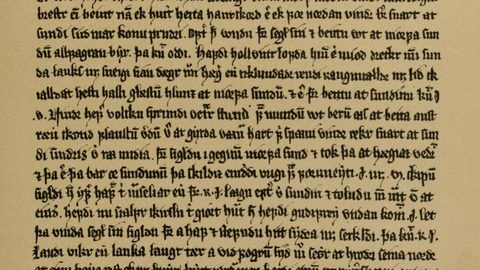
Icelandic has four letters English does not, and every road sign uses them. What they sound like, how to type them, and where to go next.
The Icelandic Alphabet: Þ, Ð, Æ, Ö and How to Read Them
Icelandic has four letters English does not, and every road sign uses them. What they sound like, how to type them, and where to go next.