Climbing the Skógafoss Staircase and Walking the Skógá River Waterfall Trail
Skógafoss is more than the 60-metre curtain and 527 steps. The Skógá river trail above the falls leads to a chain of waterfalls most visitors never see.
.jpg)
Climbing the Skógafoss Staircase and Walking the Skógá River Waterfall Trail
Most visitors climb the 527 steps, take a photo from the platform, and go back down. They never see what comes next. Beyond the top of the staircase is a walking trail that follows the Skógá river upstream past roughly 20 lesser known waterfalls. It turns a 20 minute photo stop into a two hour exploration. The trail reveals how far to walk, where the crowds thin, and why the staircase itself is the worst part of the experience.
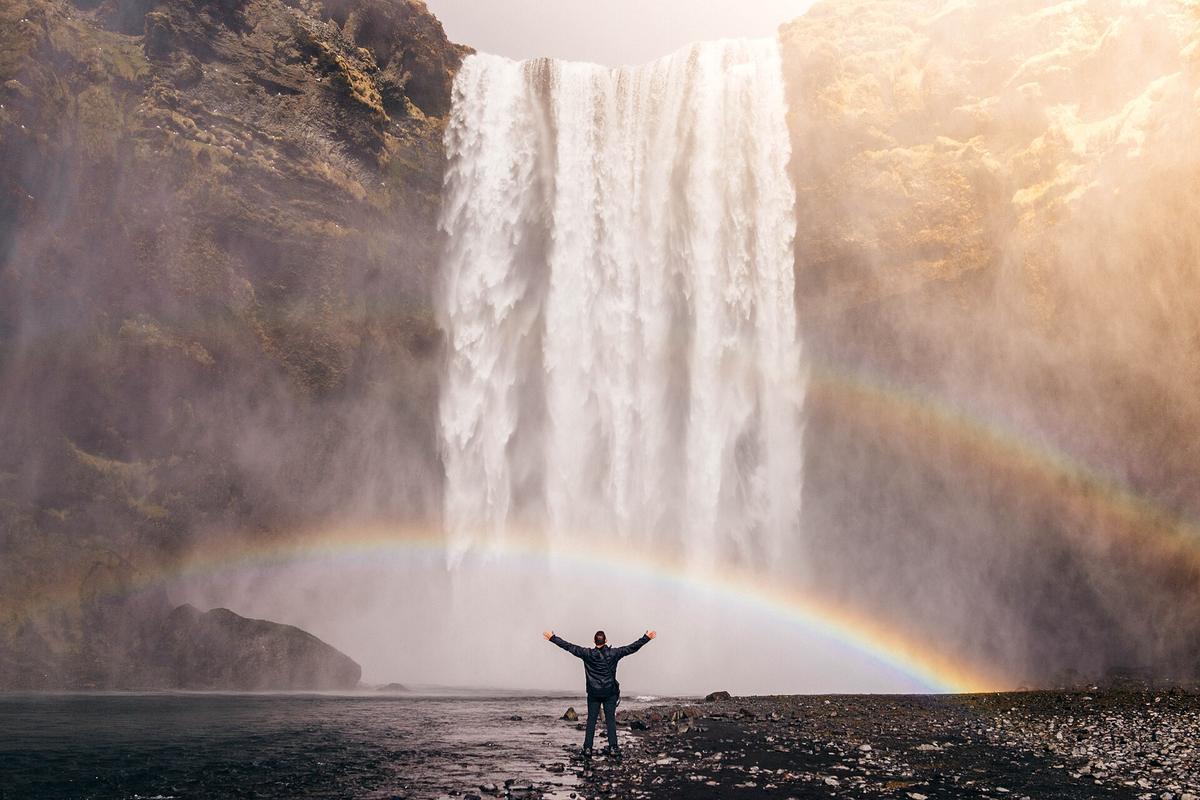
Skógafoss drops 60 metres across a 25 metre wide curtain of water. The spray reaches the car park in any moderate to strong wind, which is most days. You walk only about 400 metres from the car park to the base. That short approach is where you will want to spend your real time. When the sun is low enough late morning to mid afternoon on a clear day, the spray plume creates a rainbow directly in front of you. The light has to come from the south or southeast to hit the mist at the right angle. Stand on the black sand at the base, get wet, and watch that rainbow shift as the wind changes. That is the sensory highlight of this stop. Not the view from the platform above.
- Waterfall Height: 60 m
- Waterfall Width: 25 m
- Walk from Car Park to Base: Approximately 400 m
- Staircase Steps: 527
- Viewing Platform Elevation Above Base: Approximately 100 m
- Trail at Top of Staircase: Fimmvörðuháls trail (25 km from Skógar to Þórsmörk)
- Waterfalls on Skógá River Above Skógafoss: Approximately 20
- Nearby Museum: Skógar Museum (Skógasafn), founded 1949 by Þórður Tómasson
- Camping: Skógar Campsite, May to September, 1,500 ISK per adult per night, 1,000 ISK for electricity
- Rainbow Visibility: Late morning to mid-afternoon on sunny days, spray lit from the south or southeast
The Staircase: Brutal, Necessary, and Overrated
The staircase has 527 steps. That is not an exaggeration. It rises roughly 100 metres in elevation from the base to the viewing platform. There is no gentle switchback. It goes straight up. You will feel it in your calves before you reach step 200. Do not attempt it if you have limited mobility, a fear of heights, or wet footwear. The steps are metal grating. You can see through them as you climb. For some people that is fine. For others it stops the trip short.
At the top you get a flat view of the river cutting the edge of the cliff. That is the photo everyone takes. It is fine. Do not confuse that with the real experience. The real experience is below, at the base, where the full scale of the falling water hits your body. The sound alone pins you to the spot. The mist soaks through a rain jacket in under 30 seconds. That is why you came.
If you are fit and curious, climb the staircase once. Then come back down and spend 15 minutes at the base before you even look at the trail upstream. On a tight schedule, skip the staircase entirely. Walk to the base, feel the spray, watch the rainbow if the light cooperates, and move on to your next stop on the south coast.
The Skógá River Waterfall Trail: Where the Crowds Thin
At the top of the staircase, the Fimmvörðuháls trail heads east along the Skógá river. This is the path you want. The first stretch near the platform is still busy. People wander a few minutes from the top, take a photo of the first upstream waterfall, and turn back. Most have not read about the chain of falls beyond. They assume the view is done.
Keep walking past the first waterfall. At one kilometre the crowd drops by half. At two kilometres you are sharing the trail with fewer than ten other people on a summer afternoon. The path stays close to the river, rising and falling over modest rocky terrain. You pass waterfall after waterfall, each one a smaller version of Skógafoss but without the crowds and without the railings. You can stand closer. You can feel the full force of each cascade without sharing the space with fifty people holding selfie sticks.
The trail continues for 25 kilometres all the way to Þórsmörk, reaching a high point of 1,050 metres above sea level. That full crossing is a serious two day trek for experienced hikers only, requiring proper gear, food, and a solid weather window. You do not need to do that. Walk the first three kilometres and turn around. That round trip takes about 90 minutes at a steady pace and rewards you with six to eight distinct waterfalls that most visitors never see. While Skógafoss rewards hikers with a hidden river of falls, Akureyri anchors the north with its own unforgettable contrast of fjord landscapes and whale filled waters.
Practical Details You Need Before You Go
The Skógar Campground and Museum
Start early and beat the bus crowds by camping at Skógar Campsite, open from May to September. It costs 1,500 ISK per adult per night with an extra 1,000 ISK for electricity. Facilities include WC, showers, washing machines, and a cooking area. The Skógar Museum, founded in 1949 by Þórður Tómasson, sits a short walk away and holds a collection of historic turf houses and regional artifacts. It is not essential but it fills a rainy hour well.
Timing and Weather
Arrive at the car park by 08:00. The tour buses from Reykjavík start pulling in around 09:30. Before that you have the waterfall to yourself. The rainbow is best between late morning and mid afternoon when the sun sits high enough to hit the spray from the south. Rainbows vanish fast. If you see the light angle shifting, run for the base.
Weather at Skógafoss changes every 15 minutes. Rain, sun, sideways wind, then rain again. That is normal. Do not wait for a perfect forecast. If you have a dry window, go.
What to Wear and Carry
Waterproof jacket, waterproof trousers, and boots that can handle wet gravel. The spray at the base will soak everything. The trail upstream stays damp from mist and rain runoff. A towel in the car for after is not a luxury. Bring snacks and water because there is nothing for sale along the trail. The nearest shop is at the Skógafoss complex by the car park.

| Trail Segment | Distance (One Way) | Time Needed | Crowd Level |
|---|---|---|---|
| Base of waterfall only | 400 m | 15 minutes | Very high |
| Staircase to platform (no trail) | 527 steps | 20 minutes up, 10 down | High |
| Skógá river trail, first 1 km | 1 km | 30 minutes | Moderate |
| Skógá river trail, first 3 km | 3 km | 90 minutes round trip | Low after 1 km |
| Full Fimmvörðuháls to Þórsmörk | 25 km | 8 to 12 hours | Very low |
Who Skógafoss Staircase Fits and Who Should Skip It
Skógafoss is for solo road trippers, landscape photographers, geology nerds, adventure motorcyclists, and anyone who prefers cold spray and empty trail over an indoor exhibition. It is not for budget backpackers trying to save on a campsite fee that is already 1,500 ISK. It is not for nightlife seekers or anyone who needs structured itineraries with indoor attractions. If you find driving in whiteout conditions stressful, this whole stretch of the south coast in winter will be a problem. Skógafoss is a place you do, not a place you see. Climb the stairs once, stand at the base until you are drenched, walk the river trail past the first few falls, and leave the bus crowd behind.
Common Questions
Is the Skógafoss staircase worth climbing?
Only if you plan to walk the Skógá river trail beyond the platform. The view from the top of the waterfall alone is average. The staircase is a 527 step cardio workout. If you skip the trail, skip the climb.
How many waterfalls are on the trail above Skógafoss?
Roughly 20 waterfalls on the Skógá river between Skógafoss and the source. You can see six to eight in the first three kilometres. After that the trail continues another 22 kilometres to Þórsmörk with many more.
How long should I walk along the trail?
Walk three kilometres upstream and return. That takes about 90 minutes round trip. Beyond that the terrain becomes rougher and the day lengthens. Save the full 25 kilometre Fimmvörðuháls crossing for a separate trip.
When is the best time of day to see the rainbow at Skógafoss?
Late morning to mid afternoon on a sunny day. The sun needs to be in the south or southeast to hit the spray plume. The rainbow appears in front of the falls at the base, not from the viewing platform.
Read next
-
 Jokulsarlon Glacier Lagoon
Why Jökulsárlón glacier lagoon demands an overnight stay, not a Reykjavík day trip, plus zodiac boat booking and Diamond Beach photography timing.
Jokulsarlon Glacier Lagoon
Why Jökulsárlón glacier lagoon demands an overnight stay, not a Reykjavík day trip, plus zodiac boat booking and Diamond Beach photography timing.
-
 Reynisfjara Black Sand Beach
Reynisfjara is Iceland's most dangerous beach. Learn the sneaker wave warning system, where the death zone lies, and how to visit the basalt columns safely.
Reynisfjara Black Sand Beach
Reynisfjara is Iceland's most dangerous beach. Learn the sneaker wave warning system, where the death zone lies, and how to visit the basalt columns safely.
-
 Skaftafell
 is the hiking gateway to Vatnajökull National Park. Compare trail lengths, the Svartifoss basalt column route, and glacier viewpoints before you arrive.
Skaftafell
Skaftafell is the hiking gateway to Vatnajökull National Park. Compare trail lengths, the Svartifoss basalt column route, and glacier viewpoints before you arrive.
-
 Solheimajokull Glacier
Sólheimajökull is Iceland's most popular beginner glacier hike. Learn what crampon-fitting feels like, how tough the walk is, and why unguided access is fatal.
Solheimajokull Glacier
Sólheimajökull is Iceland's most popular beginner glacier hike. Learn what crampon-fitting feels like, how tough the walk is, and why unguided access is fatal.
-
 Vik
Understand the dangers of Reynisfjara’s sneaker waves and plan a safe, rewarding stop in Vík on Iceland’s south coast.
Vik
Understand the dangers of Reynisfjara’s sneaker waves and plan a safe, rewarding stop in Vík on Iceland’s south coast.
-
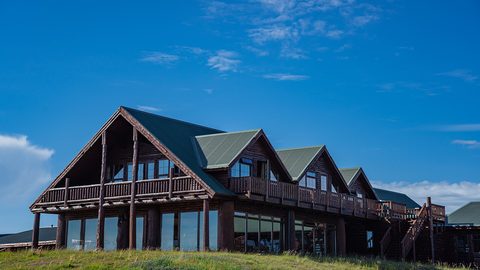 Iceland Accommodation Types from Farm Stays to Hostels
A hotel in rural Iceland rarely means what it means elsewhere. The real differences between guesthouses, farm stays, hostels and campsites before you book.
Iceland Accommodation Types from Farm Stays to Hostels
A hotel in rural Iceland rarely means what it means elsewhere. The real differences between guesthouses, farm stays, hostels and campsites before you book.
-
 Where to Stay in Iceland for a Ring Road Road Trip
On an Iceland lap, the road decides where you sleep. Which bases break the Ring Road into sensible chunks, and where inventory runs dangerously low in July.
Where to Stay in Iceland for a Ring Road Road Trip
On an Iceland lap, the road decides where you sleep. Which bases break the Ring Road into sensible chunks, and where inventory runs dangerously low in July.
-
 Keflavik Airport Flights Transfers and Iceland Domestic Routes
Keflavík to Reykjavík has no train. Flybus, taxi costs, rental car pickup, and when a domestic flight from Reykjavík City Airport saves a day of driving.
Keflavik Airport Flights Transfers and Iceland Domestic Routes
Keflavík to Reykjavík has no train. Flybus, taxi costs, rental car pickup, and when a domestic flight from Reykjavík City Airport saves a day of driving.
-
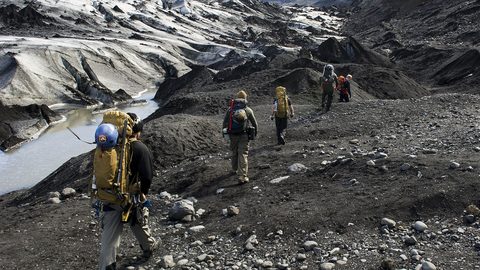 Iceland Experiences Worth Booking and Those That Depend on Weather
Some Iceland experiences vanish if you don't book weeks ahead. Silfra, ice caves, and Landmannalaugar huts sell out. Waterfalls and beaches just need you to show up.
Iceland Experiences Worth Booking and Those That Depend on Weather
Some Iceland experiences vanish if you don't book weeks ahead. Silfra, ice caves, and Landmannalaugar huts sell out. Waterfalls and beaches just need you to show up.