Travelling Iceland With Refrigerated Medication A Cold Storage Road Trip Plan
A practical guide to Travelling Iceland With Refrigerated Medication A Cold Storage Road Trip Plan.

What Icelandic law says about bringing insulin into the country
Your ability to manage diabetes on an Iceland road trip starts at the border. The Icelandic Medicines Agency sets clear but distinct limits depending on where your journey begins. Travellers arriving from outside the European Economic Area may bring up to a 100-day supply of general prescription medicines, including insulin, for personal use. If you are travelling from within the EEA, that allowance extends to a one-year supply.
Quantity alone is not enough. You must be able to show customs authorities one of three documents: a doctor's certificate, the original prescription, or a pharmacy labelling sticker that demonstrates legitimate personal need. All medicines should travel in your hand luggage inside their original packaging. Liquid medicines, including insulin, are exempt from the standard hand-luggage liquid restrictions, though you may need to declare them at airport security. Packing a letter from your doctor that lists your diagnosis and prescribed medication is a lightweight safeguard that costs nothing and can resolve questions before they become problems.
The cold chain challenge across Iceland’s Ring Road
Insulin is thermally fragile. Unopened insulin must stay between 2°C and 8°C. Once in use, a vial or pen can sit at room temperature up to 30°C for a maximum of 28 days, but it must never freeze and must never be left in a hot parked car. On an Icelandic road trip, both extremes are real threats. A vehicle parked under summer midnight sun can turn into a greenhouse, while a winter night can plunge temperatures well below freezing.
Airlines operating to Iceland do not provide refrigerated storage for passenger medication on board, so you need to carry your own cold-storage solution from the moment you leave home. Portable USB-powered medical coolers designed for insulin can maintain the 2°C to 8°C range using a car's 12V outlet while you drive, and some models offer battery backup that lasts several hours when the vehicle is parked. This means you can step away for a waterfall hike or a lagoon soak without your insulin warming beyond its safe range. At night, many Ring Road cottages and guesthouses in rural Iceland include kitchenettes with a refrigerator, which can serve as your overnight cold-storage point. Properties such as Lambhús Cottages near Höfn and Hvammstangi Cottages in North Iceland are examples of accommodation where this is available.

Where pharmacies exist and where they do not
Iceland's pharmacy network is concentrated in larger towns, and the gaps along the Ring Road are significant. All medications, including over-the-counter painkillers, are sold only at pharmacies and cannot be purchased in supermarkets or petrol stations. The town of Vík í Mýrdal on the south coast, a popular overnight stop, has no pharmacy. The nearest options are in Hella or Selfoss, both a considerable drive away.
A 24/7 drive-through pharmacy operates in the Reykjavík capital area, but no 24-hour pharmacies exist outside the capital region. Pharmacy opening hours vary by location and season. Before you travel, check the specific hours of pharmacies along your planned route directly with the operator, such as Apótekarinn, whose branch listings and opening times are published on their website. Do not assume a rural pharmacy will be open on a Sunday or public holiday. If your itinerary passes through a town with a pharmacy on a weekday morning, that is your window.
What to do if your insulin supply is compromised
Running out of usable insulin in Iceland is a situation you want to avoid entirely, because the fix is not as simple as visiting the nearest pharmacy. Foreign prescriptions are not valid in Icelandic pharmacies. If you run out of medication, you must see an Icelandic doctor to obtain a local electronic prescription. This means finding a healthcare centre, paying for a consultation, and hoping the prescribed insulin is in stock.
Common insulin brands registered in the Icelandic Medicines Agency's product database include NovoRapid, Fiasp, Humalog, Lantus, Levemir, Tresiba, and Insulatard. However, brand availability and stock levels at individual pharmacies, especially in smaller towns, can change. Before you travel, confirm that your specific insulin is registered in the Lyfjabók, the Icelandic Medicines Database, and consider contacting a pharmacy in Reykjavík to ask whether your formulation is routinely stocked. If you use a less common insulin, carrying your full trip supply plus a buffer is the only reliable strategy.
For urgent medical situations, the national emergency number is 112. A 24/7 non-emergency medical advice line with English-speaking staff is available at 1700. Save both numbers to your phone before you leave Reykjavík.
Building a self-sufficient cold storage kit
A reliable road trip kit combines active cooling for the car, passive backup for transitions, and a plan for overnight refrigeration. A portable USB-powered medical cooler that plugs into a 12V outlet handles the driving hours. When choosing a model, prioritise one with a battery backup function so cooling continues during a two-hour hike or an unplanned delay. Pack a simple insulated pouch as a fallback for short transfers between the car and your guesthouse.
At each overnight stop, confirm your accommodation has a working refrigerator before you arrive. The kitchenette fridge in a cottage or guesthouse is your overnight cold storage. Place a thermometer inside the fridge if you want to verify the temperature zone, though this is an editorial recommendation rather than a regulatory requirement. In the morning, return your insulin to the portable cooler before you start driving. This rhythm, car cooler by day and guesthouse fridge by night, mirrors the way travellers have long managed camera batteries and baby food in remote places, except the stakes are higher.
Planning your route around pharmacy access
A Ring Road itinerary that works for a traveller without medical needs may not work for you. The gap around Vík is the most cited example, but it is not the only stretch where you will be hours from a pharmacy. Before finalising your overnight stops, map the pharmacies along your route using the branch listings published by operators such as Apótekarinn. Note the weekday opening hours and weekend closures for each one. If a leg of your journey leaves you more than a half-day's drive from the nearest open pharmacy, that leg deserves extra insulin reserves and a conservative approach to storage.
Customs import limits and documentation requirements are subject to regulatory change. Verify the current rules with the Icelandic Medicines Agency before departure. The same applies to insulin brand registration: the Lyfjabók is the authoritative source for what is currently registered in Iceland. Checking both sources close to your travel date turns assumptions into certainties.
Sources and verification
- ima.is — Research source checked for this guide
- island.is — Research source checked for this guide
- finnair.com — Research source checked for this guide
- icelandplanner.com — Research source checked for this guide
- apotekarinn.is — Research source checked for this guide
- fylgjaiceland.info — Research source checked for this guide
Read next
-
 Iceland Accommodation Types from Farm Stays to Hostels
A hotel in rural Iceland rarely means what it means elsewhere. The real differences between guesthouses, farm stays, hostels and campsites before you book.
-
 Where to Stay in Iceland for a Ring Road Road Trip
On an Iceland lap, the road decides where you sleep. Which bases break the Ring Road into sensible chunks, and where inventory runs dangerously low in July.
-
 Keflavik Airport Flights Transfers and Iceland Domestic Routes
Keflavík to Reykjavík has no train. Flybus, taxi costs, rental car pickup, and when a domestic flight from Reykjavík City Airport saves a day of driving.
-
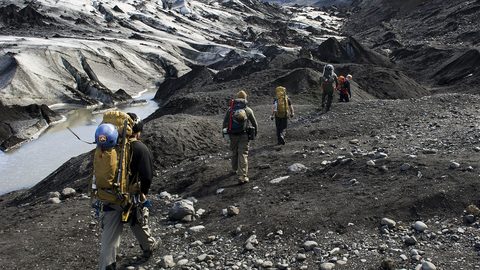 Iceland Experiences Worth Booking and Those That Depend on Weather
Some Iceland experiences vanish if you don't book weeks ahead. Silfra, ice caves, and Landmannalaugar huts sell out. Waterfalls and beaches just need you to show up.
-
 Best Time to Visit Iceland Month by Month With Daylight Hours
Iceland changes radically by month. This calendar covers daylight hours, road openings, puffin season, northern lights windows, and the two summer weekends that book out nationwide.
-
 Getting Around Iceland by Car F-Roads Wind and Road.is
Driving Iceland means understanding F-road legality, reading road.is, and respecting wind that can rip a door off its hinges. This guide covers what rental agencies won't tell you.
-
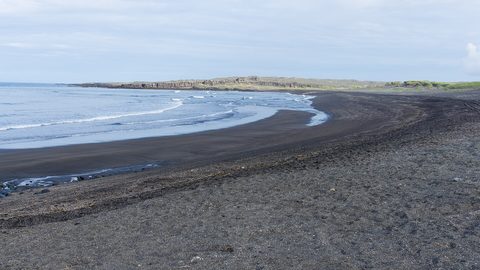 South Iceland
How to drive Iceland's South Coast from Seljalandsfoss to Skaftafell, with honest timings, parking logistics, and the stops worth pulling over for.
-
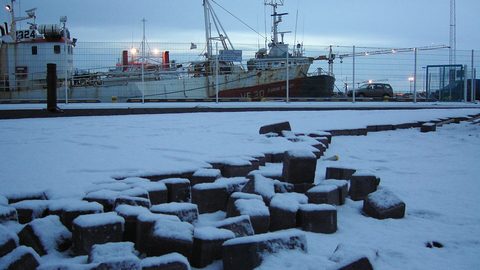 Capital Region
How to spend your arrival and departure days in Reykjavík, from the Miðborg walking loop to Vesturbær's local pools and the domestic airport at RKV.
-
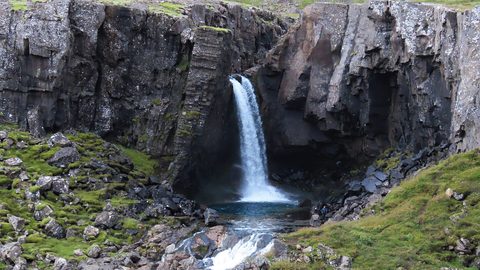 East Iceland
How to drive Iceland's Eastfjords from Höfn to Egilsstaðir, with stops at Vestrahorn, Stuðlagil Canyon, and the puffin colony at Borgarfjörður Eystri.