Accessible Iceland Waterfalls Lagoons and Step Free Viewpoints
A practical guide to Accessible Iceland Waterfalls Lagoons and Step Free Viewpoints.
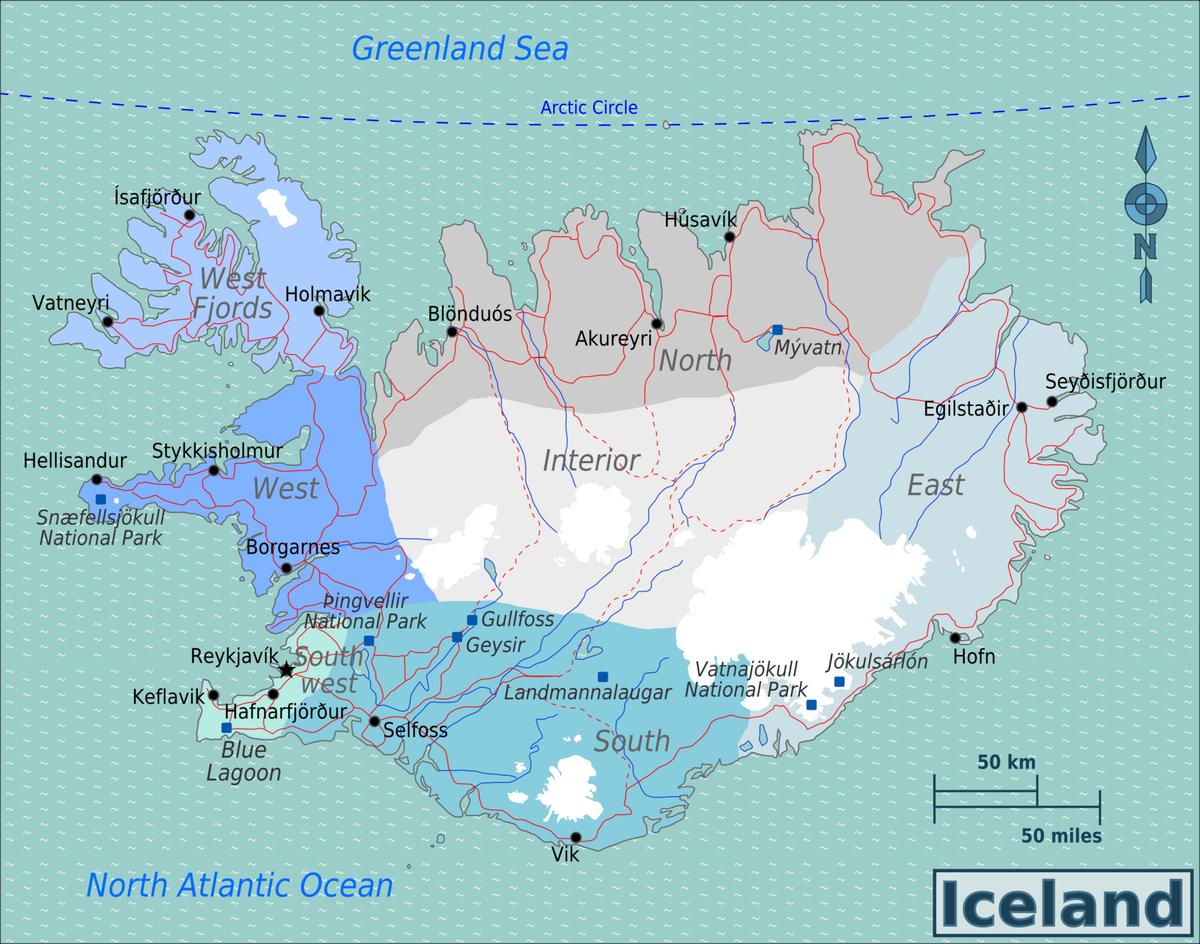

Gullfoss and the Golden Circle viewpoints
The upper path at Gullfoss delivers one of Iceland's most dramatic panoramas without a single step. From the upper car park, a paved route stretches roughly 400 metres to a wide viewing platform that overlooks the two-tiered cascade plunging into the canyon. The visitor centre beside the upper car park provides accessible parking and accessible restrooms, making this a practical first stop on the Golden Circle. The lower viewing platform, by contrast, demands roughly 100 steps and sits out of reach for wheelchair users. That tradeoff is worth weighing early in the day: the upper platform gives you the full roar and mist without the descent, while the lower path offers a closer angle that simply is not step-free.
Þingvellir National Park takes accessibility further with wooden boardwalks built above the lava fields in the assembly area, opening much of the rift valley to wheelchair users. The Hakið visitor centre adds a lift, accessible parking, accessible toilets and a viewing platform that frames the lake and fissures. At the Geysir geothermal area, a flat, hard-packed main path leads roughly 200 metres from the car park to the Strokkur viewing area, where the reliable eruptions are visible from level ground. The Geysir Center across the road houses accessible toilets. Together these three stops form a Golden Circle route where the main sights genuinely accommodate visitors who need step-free access, provided you stick to the documented accessible paths and skip the rougher side trails.
South Coast waterfalls you can reach step-free
Seljalandsfoss and Skógafoss sit close to the Ring Road and each offers a clear, step-free viewing option. At Seljalandsfoss, a flat paved path of about 350 metres runs from the paid parking lot to a frontal viewing area that is wheelchair-accessible. The famous walk-behind path is a different story: uneven rock and steps make it inaccessible, and it closes in winter whenever ice makes it unsafe. Checking current access status with Safetravel Iceland before you go will tell you whether the frontal area alone is worth the stop on a given day.
Skógafoss keeps things simpler. The lower viewing area sits step-free with minimal walking or rolling from the parking area, placing you directly in front of the 60-metre curtain of water. The upper viewing platform requires climbing 527 metal steps and is not suitable for guests with limited mobility. The choice here is binary: stay low for full, face-on impact or climb for the river-plain view above. For accessible itineraries, the lower area delivers the waterfall experience without compromise.
Geothermal lagoons with step-free entry
Two of Iceland's best-known lagoons have invested in genuine accessible infrastructure, and comparing them helps match the experience to your needs. The Blue Lagoon provides specially designed wheelchairs for entering the lagoon water, a ground-floor accessible changing room large enough to be shared with an assistant, a shower chair on request, and complimentary admission for a personal assistant. The lagoon bottom is naturally uneven and the deepest point reaches 1.4 metres, so confident swimming ability or a companion remains important even with the aquatic wheelchair. The Retreat Lagoon at the same complex is slightly shallower at 1.25 metres maximum depth.
Sky Lagoon takes a different approach with full wheelchair accessibility along step-free paths throughout the venue. A chairlift, described as a pool pod, handles entry and exit from the lagoon itself. The accessible changing suite includes shower chairs, and an on-site wheelchair is available for reaching the turf house. Because Sky Lagoon was built more recently, its design integrates accessibility rather than retrofitting it. If you prioritise independent movement through the whole facility, Sky Lagoon's step-free layout and mechanical lift may feel more seamless. If you value the silica-rich water and the option of a dedicated accessible changing room shared with an assistant, Blue Lagoon remains a strong contender. Neither lagoon publishes fixed depth profiles beyond the maximum figures, so anyone with standing or balance concerns should contact the operator directly to discuss specific needs.
Jökulsárlón glacier lagoon by amphibian boat
The amphibian boat tours at Jökulsárlón load from flat gravel rather than a floating dock, which removes one common barrier. It is possible to take a wheelchair aboard with advance notice. Accessible parking, toilets and pathways are available at the site. The tours typically operate from May through October or November, depending on weather and ice conditions. Because the season window shifts each year, verifying current dates directly with the operator is essential before building an itinerary around this experience. The flat gravel loading area helps, but the boat itself has inherent constraints: the research does not detail onboard turning space or securement points, so discussing your specific wheelchair dimensions and transfer needs when booking is a practical step the notes support.
Dettifoss and when to skip a landmark
Dettifoss, Europe's most powerful waterfall, has no wheelchair-accessible route to the main viewpoint on either side of the canyon. The west side, reached via Road 862, offers a longer and better-marked path with viewing platforms, but the terrain is uneven, rocky and often wet. The east side, Road 864, is not wheelchair-accessible at all and that gravel road typically closes from October until late May or June with no winter service. Road 862 has limited winter service and can close at short notice. Checking current road status with the national park or road.is is a minimum requirement before setting out.
For visitors who use wheelchairs or have limited mobility, the research is unambiguous: Dettifoss does not offer a step-free viewpoint. The editorial recommendation is to redirect that day toward accessible alternatives in the north or to treat Dettifoss as a stop only if someone in your group can manage very rough terrain with assistance. The west-side platforms exist, but the path to reach them falls well outside what the verified sources describe as accessible.
Finding verified accessibility across Iceland
The Icelandic Tourist Board runs the "Gott aðgengi" or Good Access accessibility labelling project. It is a self-assessment scheme where tourism businesses display logos indicating they meet minimum accessibility requirements for wheelchair users, visually impaired or hearing impaired guests. Because it relies on self-declaration rather than independent inspection, the logo is a useful starting signal but not a guarantee. Cross-referencing a business's Gott aðgengi status with direct questions about the specific features you need remains the most reliable approach. The scheme covers more than the sites in the guidance, so it is worth looking for the logo when researching accommodation, restaurants and lesser-known attractions.
Sources and verification
- gullfossiceland.com — Research source checked for this guide
- iceland-highlights.com — Research source checked for this guide
- seljalandsfoss.org — Research source checked for this guide
- disabledaccessibletravel.com — Research source checked for this guide
- goldencircledaytours.is — Research source checked for this guide
- support.bluelagoon.com — Research source checked for this guide
Read next
-
 Iceland Accommodation Types from Farm Stays to Hostels
A hotel in rural Iceland rarely means what it means elsewhere. The real differences between guesthouses, farm stays, hostels and campsites before you book.
-
 Where to Stay in Iceland for a Ring Road Road Trip
On an Iceland lap, the road decides where you sleep. Which bases break the Ring Road into sensible chunks, and where inventory runs dangerously low in July.
-
 Keflavik Airport Flights Transfers and Iceland Domestic Routes
Keflavík to Reykjavík has no train. Flybus, taxi costs, rental car pickup, and when a domestic flight from Reykjavík City Airport saves a day of driving.
-
 Iceland Experiences Worth Booking and Those That Depend on Weather
Some Iceland experiences vanish if you don't book weeks ahead. Silfra, ice caves, and Landmannalaugar huts sell out. Waterfalls and beaches just need you to show up.
-
 Best Time to Visit Iceland Month by Month With Daylight Hours
Iceland changes radically by month. This calendar covers daylight hours, road openings, puffin season, northern lights windows, and the two summer weekends that book out nationwide.
-
 Getting Around Iceland by Car F-Roads Wind and Road.is
Driving Iceland means understanding F-road legality, reading road.is, and respecting wind that can rip a door off its hinges. This guide covers what rental agencies won't tell you.
-
 South Iceland
How to drive Iceland's South Coast from Seljalandsfoss to Skaftafell, with honest timings, parking logistics, and the stops worth pulling over for.
-
 Capital Region
How to spend your arrival and departure days in Reykjavík, from the Miðborg walking loop to Vesturbær's local pools and the domestic airport at RKV.
-
 East Iceland
How to drive Iceland's Eastfjords from Höfn to Egilsstaðir, with stops at Vestrahorn, Stuðlagil Canyon, and the puffin colony at Borgarfjörður Eystri.